Summary: A Lynchburg grocery owner was sentenced to 33 months in federal prison after admitting to a scheme that diverted $2,108,924 in Supplemental Nutrition Assistance Program benefits, and the court ordered forfeiture and full restitution to the USDA Food and Nutrition Service.
Rajan Babbar, 60, the owner of a medium-sized grocery in Lynchburg called Taste of India, pleaded guilty in March 2026 to one count of fraud regarding the Supplemental Nutrition Assistance Program and one count of transacting in criminally derived property. Federal prosecutors say the scheme involved running false SNAP transactions, handing out cash in exchange for benefits, and dramatically inflating the store’s reported SNAP sales over several years.
Court records show Babbar applied to become a SNAP retailer in 2016 and was approved in December of that year. Investigators tracked a sharp rise in SNAP activity starting around April 2021, with monthly SNAP transaction totals jumping from roughly $2,600 in 2018 to about $65,000 by 2023, an increase of roughly 2,500 percent.
Between January 2019 and January 2025, the average individual SNAP transaction at Taste of India was $115.77, while similar stores statewide averaged $40.61 per transaction during that period. Prosecutors say Babbar rang up nonexistent food items and other products, then paid customers approximately one-half the value of their benefits in cash to conceal the activity.
The total amount of fraudulent SNAP transactions the court attributed to Babbar was $2,108,924. In addition to the 33-month prison sentence, Senior United States District Judge Norman K. Moon ordered Babbar to forfeit more than $380,000 in seized assets and to pay $2,108,924 in restitution to the U.S. Department of Agriculture’s Food and Nutrition Service.
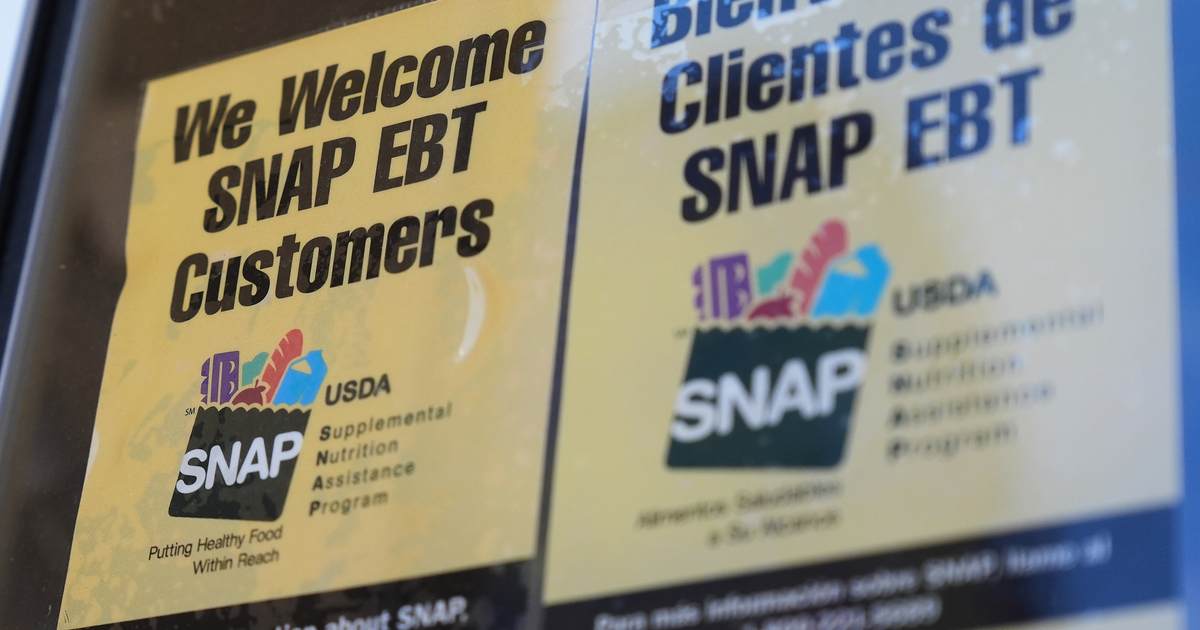
The SNAP program serves roughly 41 million people with low incomes nationwide, aiming to reduce hunger and boost food purchasing power for struggling households. Federal officials and investigators emphasize that fraud can take many forms, including failure to report income, trafficking benefits for cash, and trading benefits for banned items, all of which undermine public trust in the program.
Federal authorities say the documented scheme at Taste of India involved a steady pattern of fraudulent transactions over multiple years, not isolated incidents. Investigators note the contrast between the store’s historic SNAP volumes and the extraordinary spike that aligned with the alleged trafficking activity.
Federal law enforcement and oversight agencies announced the case, including the First Assistant United States Attorney Robert N. Tracci, Charmeka Parker, Special Agent in Charge of the USDA Office of Inspector General for the Northeast Region, and Ian Kaufmann, Special Agent in Charge of the FBI’s Richmond Division. The investigation involved the USDA-OIG, the FBI, and the Lynchburg Police Department, and Assistant U.S. Attorney Lee Brett prosecuted the matter.
As part of broader efforts to protect program integrity, the U.S. Department of Agriculture has been expanding data analysis and coordination with states to identify irregularities in SNAP retail activity. Dozens of states have shared data with federal investigators, while some states have not participated in the same way, creating uneven visibility into retail patterns nationwide.
The court’s restitution order requires full repayment of the $2,108,924 figure to the USDA Food and Nutrition Service, reflecting the total loss the government attributed to the scheme. The forfeiture of seized assets exceeding $380,000 is intended to remove ill-gotten gains and help compensate affected government programs.
Prosecutors say cases like this can involve networks of individuals who use participating retailers to convert benefits into cash or other prohibited items, fueling a secondary market that damages eligible households and the program’s effectiveness. Enforcement actions target both the retailers who facilitate trafficking and the individuals who attempt to monetize benefits illegally.
The sentencing in Lynchburg illustrates how federal prosecutors and oversight officials are applying criminal penalties and financial remedies to retailers found to be at the center of trafficking schemes. Officials stress that ongoing investigations and data-sharing efforts are meant to deter misuse and protect assistance dollars intended for vulnerable families.
Those convicted in SNAP trafficking cases face prison time, restitution, and forfeiture orders, and federal authorities continue to prioritize cases that show clear patterns of fraudulent retail conduct. The federal sentence in this case reflects the multi-year scale of the alleged fraud and the sizable amount the court determined was diverted from the program.
https://x.com/SecRollins/status/2064416519161843999