President Trump announced that a deal with Iran has been reached after a tense night of military action and last-minute cancellations, with Iranian sources reportedly confirming the agreement and a signing expected in Europe amid rapidly changing developments.
That was quite a turn of events. We carried out air strikes on Iran on Wednesday night in response to their shooting down an Apache helicopter. It looked like a new escalation was about to begin as President Trump’s patience with Tehran appeared to be running out.
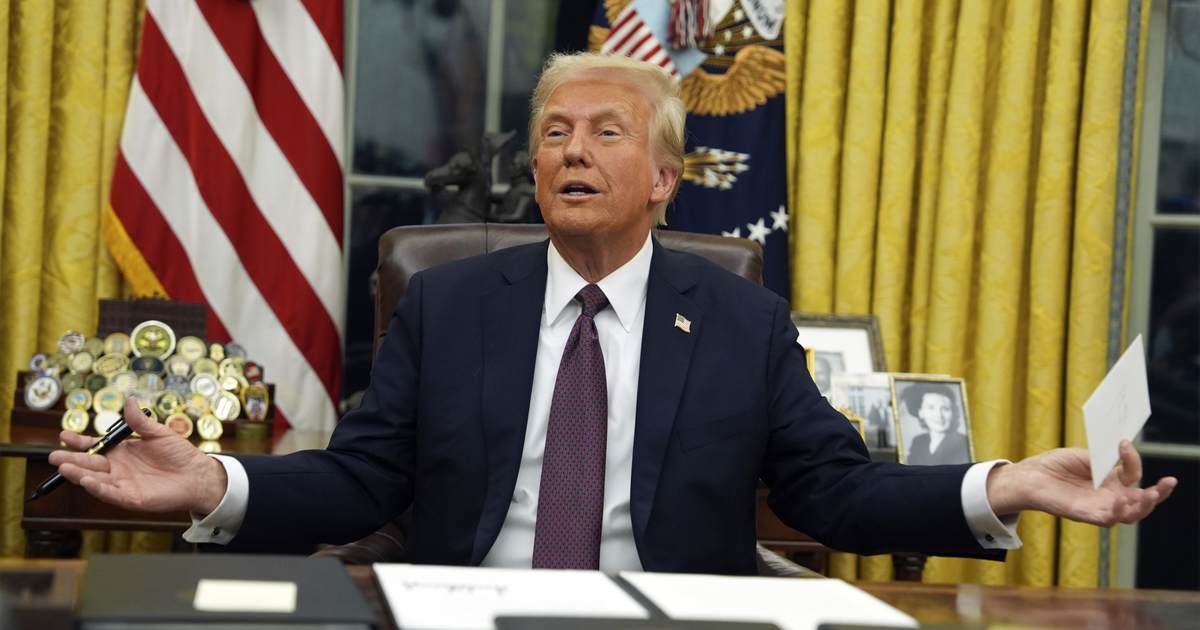
Diplomatic talks had dragged on and frustrated many; the president has said nearly twenty times that things were close, only for deadlines to slip. Cam reported earlier today that the latest wave of strikes was canceled. Now, Trump said in the Oval Office that a deal has been reached, with Iranian sources corroborating this development.
Details are still thin, but officials say the signing will reportedly occur in Europe. The move to call off immediate follow-up strikes suggests leverage was at play and that concessions or guarantees were extracted at the eleventh hour. Even so, arrangements on paper and actions on the ground are not the same thing, and verification will be crucial.
https://x.com/townhallcom/status/2065160506932089262
From a Republican standpoint, the sequence looks like a demonstration of strength paying off: force was used, a tougher posture was maintained, and diplomacy returned to the table. The key test will be whether Tehran honors commitments and whether the agreement actually improves U.S. security in the region. If it does, that will be a vindication of pressure backed by credible military options.
At the same time, skeptics have reason to be cautious. Iran has a long history of promising compliance and then slipping back into provocative behavior, so Congress and allies will want clear verification mechanisms. Intelligence collection, inspections, and staged milestones should be part of any credible deal if it is to reduce risk rather than simply buy time for Tehran.
There will also be domestic political fallout to watch. Opponents will press for transparency about what was traded for the pause in hostilities and demand to see text or at least a debrief on key provisions. Supporters will argue that avoiding wider conflict while securing a written commitment is preferable to open-ended war, but neither argument removes the need for real oversight.
Operationally, commanders will need to know how this affects posture across the theater: rules of engagement, forward basing, and readiness will all be reassessed if a formal agreement is implemented. Allies in the region will want reassurances that U.S. deterrence remains intact and that their security concerns are addressed. On the flipside, Tehran will have to demonstrate restraint in ways observers can measure.
These are fluid moments where headlines can race ahead of facts. Watch for official text, verification steps, and independent confirmation from multiple sources before reading too much into any single statement. For now, the picture is one of last-minute diplomacy after forceful signaling, and everything depends on follow-through and accountability.