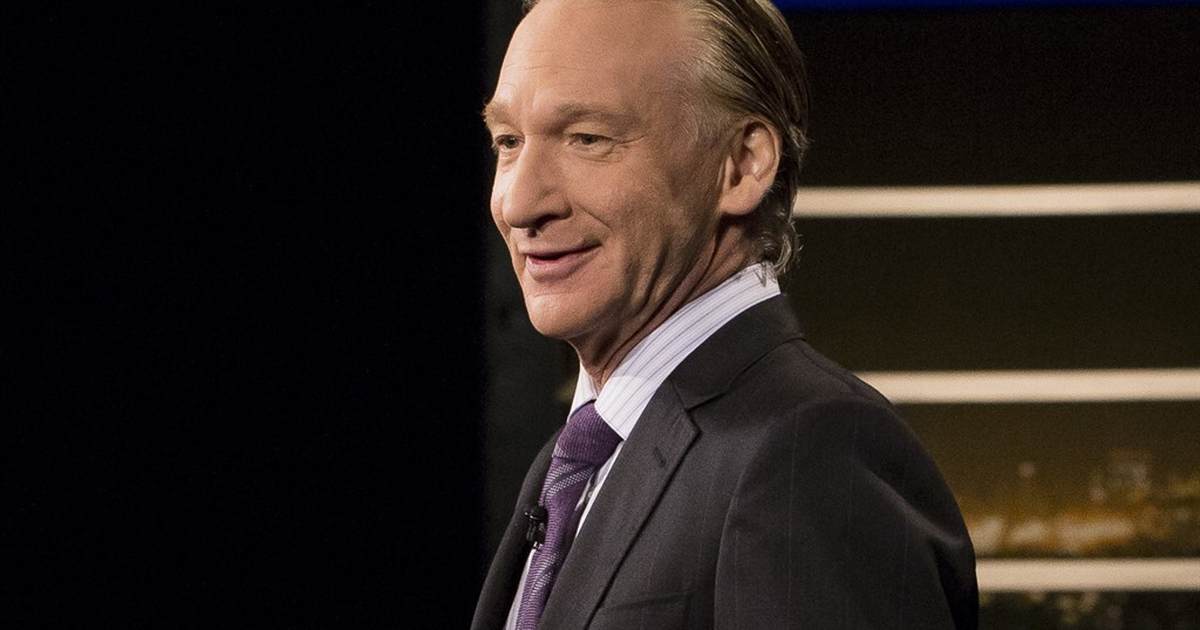
Bill Maher confronted the mounting controversies around Graham Platner on air, and even his crowd reacted audibly as shocking allegations, a Nazi tattoo and disturbing social posts were recounted, yet Maher still urged voters to support Platner for the sake of political balance.
Not everyone lives with the 24/7 political feed, and that distance can be healthy, but it also means some people are blindsided by stories that explode into the public square. On Maher’s show, details about Platner landed with a thud for listeners who hadn’t followed every twist. The reaction was telling: audible gasps, followed by a string of hard-to-ignore revelations.
Maher walked through a lot of baggage that surrounds Platner, and it wasn’t just cosmetic. There are allegations of graphic social media posts, claims of domestic abuse, and questions about a concocted working-class persona that don’t vanish with a few explanations. Those elements change the conversation from mere political disagreement into serious character concerns.
https://x.com/VigilantFox/status/2065656922473111778
What pushed the segment into full shock mode were the more lurid accusations and the talk of a Nazi tattoo, which keeps resurfacing no matter how the narrative shifts. Anyone watching could see why voters and commentators alike keep coming back to these images and statements; they’re not peripheral details. The tattoo and the social-media history stick in a way that campaign spin rarely erases.
“I wish the tattoo was the scariest thing about [Graham] Platner. It’s NOT.”
“There’s the sexting while married.”
“Scary behavior.”
“Old posts about how he’s a communist and all cops are bastards and black people don’t tip.”
“He said about the Iraq war: ‘You can think it’s dumb and also kind of not want to miss it.’”
“And then, of course, there’s the Nazi tattoo on his chest. I mean, seriously, this guy’s whole life is the movie The Hangover.”
“He doesn’t need a term in the Senate. He needs a gap year in Costa Rica.”
“I wish the tattoo was the scariest thing about Platner. It’s not.”
“That would be his solution to a home invasion, which is to r—e the home invader. And no, of course, that’s not the policy he’s proposing. It’s a fantasy his ex says he talked about. Next week it’ll be policy.”
Those lines landed because they put the focus on real behavior and concrete statements, not abstract policy choices. When a candidate’s past reads like a checklist of red flags, voters have a right to be alarmed. Media personalities can analyze or chuckle, but the core problem remains: how does someone with that record become a serious option?
Maher then veered into a familiar defense, suggesting these are the kinds of people we end up electing, the broken mirror of the country. That line drew heat because it blurred accountability with cultural diagnosis. At the same time, it ignored the specifics here, such as Platner’s dismissive posts about trauma and his history that critics say show contempt for victims.
And yet, I would still urge the folks in Maine to vote for him, for two reasons. One, we need to restore balance in our government, and a Democratic Senate would help a lot with that. And two, get used to it, America is a country filled with a lot of broken, horribly educated, phone addicted, sort of nutty people, and as long as we live in a representative democracy, we are always electing our reflection in the mirror.
That plea to prioritize partisan arithmetic over character checks is exactly what bugs many voters on the right and left alike. From a Republican viewpoint, partisanship cannot be a free pass for disqualifying conduct, and handing an office to someone with troubling claims undermines trust. The argument that electing someone because of balance outweighs character problems sounds too convenient.
There’s also the issue of media framing and who gets the benefit of doubt. A lot of the outrage here is about patterns, not a single mistake, and patterns matter in public life. When a candidate’s pattern includes hostile social posts, allegations of abuse and fantasies someone else described, that should be part of the voter calculus, not something explained away with cultural diagnostics.
People who care about good governance should demand clarity and accountability instead of accepting a lineup of excuses. Voters in Maine—and everywhere—will decide if they value balance over character, and the debate around Platner is a clear example of why that choice matters. Meanwhile, commentators like Maher can keep framing things as they wish, but the voters get the final say.