President Trump announced on Truth Social that a U.S.-Iran agreement will be signed Sunday to end the recent conflict, promising the Strait of Hormuz will reopen immediately and insisting no U.S. money will be exchanged. The announcement follows a months-long campaign of military pressure, a blockade of the Hormuz corridor, and intense negotiations that both sides say have moved toward a settlement.
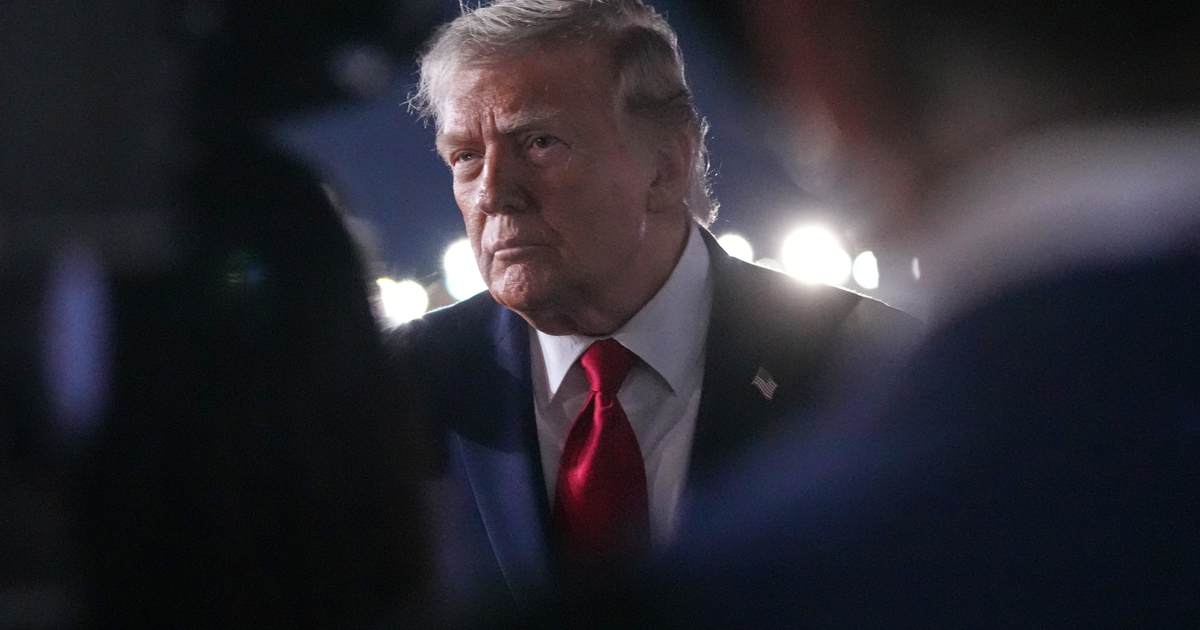
President Donald Trump posted on Truth Social that the U.S. and Iran will sign a deal on Sunday to bring the conflict to an end. He said the Strait of Hormuz will open immediately after the signing and emphasized that no money will change hands as part of the agreement.
“In fact, they no longer want a Nuclear Weapon, nor will they have one, either through purchase, development, or any other form of procurement,” Trump posted on social media. “The Deal is scheduled to get signed tomorrow, and immediately after it is signed, the Hormuz Strait is OPEN TO ALL. Our relationship with Iran is a much different and better one than previous Administrations have had. Unlike Obama’s Hundreds of Billions of Dollars in payments to them, including 1.7 Billion Dollars in green, cold cash, no money will exchange hands.”
“At the appropriate time, when all is calm, we will go in and get the Nuclear Dust, buried deep under the powerful sunken granite mountains, thanks to our beautiful B-2 Bombers and their brilliant pilots, and downblend and destroy it, whether in Iran, or the United States. We look forward to working with Iran, and the entire Middle East, long into the future. Hopefully, this process will all work out quickly, easily, and smoothly. If it doesn’t, we have the ultimate alternative, hopefully never to be used again!”
Mr. Trump also rejected earlier drafts and leaks about the deal, labeling leaked versions as inaccurate and insisting the final arrangement reflects U.S. conditions. That pushback was part of a broader effort to keep negotiations tightly controlled while leveraging recent military gains to shape Iran’s choices.
https://x.com/WhiteHouse/status/2065841477947646381
The military campaign that pushed both sides to the table began in late February 2026, when U.S. and allied strikes targeted Iran’s capabilities. In the conflict’s opening phase the U.S. crippled significant naval assets and targeted senior leadership, actions that dramatically altered Tehran’s strategic calculus.
On April 12 the United States imposed a blockade on the Strait of Hormuz, cutting off much of Iran’s oil transport and ratcheting up economic pressure. Those measures, combined with targeted strikes and diplomatic isolation, set the stage for weeks of negotiations aimed at a rapid resolution.
The policy tilt here is unmistakable: use overwhelming force to secure leverage, then convert that leverage into a deal that stops short of paying off a rival regime. From a Republican perspective, that mix of strength and negotiation is pragmatic — it forces change without rewarding bad behavior with cash settlements.
Reopening the Hormuz shipping lane would relieve immediate pressure on global energy markets and restore normal trade flows for many regional partners. For Washington, the optics of securing regional stability without direct payments to Iran is meant to contrast with past administrations that pursued large transfers and concessions.
Domestically, the agreement will be sold to voters as a win for deterrence and American interests: Iran stripped of nuclear ambitions, global commerce unblocked, and U.S. forces backed by a clear option to act if the deal fails. Republicans will argue this outcome shows that strength and preparedness, not appeasement, produce durable results.
Looking ahead, the work shifts from battlefield pressure to verification, inspections, and diplomatic follow-through to ensure Tehran keeps its commitments. The deal’s durability will hinge on robust monitoring and the United States’ willingness to apply immediate consequences if Iran violates the terms, keeping military and economic tools on the table.