The recent local interview in which Rep. Adriano Espaillat and congressional candidate Darializa Chevalier admitted they were cheering for other nations during the World Cup stirred a sharp reaction, raising questions about symbolic loyalty and the responsibilities of public officials. Their choices landed amid strong U.S. play in the tournament, and the timing made the comments notable beyond simple fandom.
The exchange came during a local news segment where both politicians were asked which team they were backing. Instead of throwing support behind the United States, each named a country with personal or cultural connections. That answer set off immediate debate about identity, representation, and what voters expect from elected officials.
Espaillat, a Dominican-American who is noted for being the first former illegal alien to become a federally elected official, said he was rooting for the Mexican national team. Chevalier, who was raised by Dominican immigrants and had previously lived in the Dominican Republic and Venezuela, said she was backing the African state of Senegal. Those personal ties explain preference, but they also highlight a tension between private affinity and public role.
https://x.com/EndWokeness/status/2066653617067626781
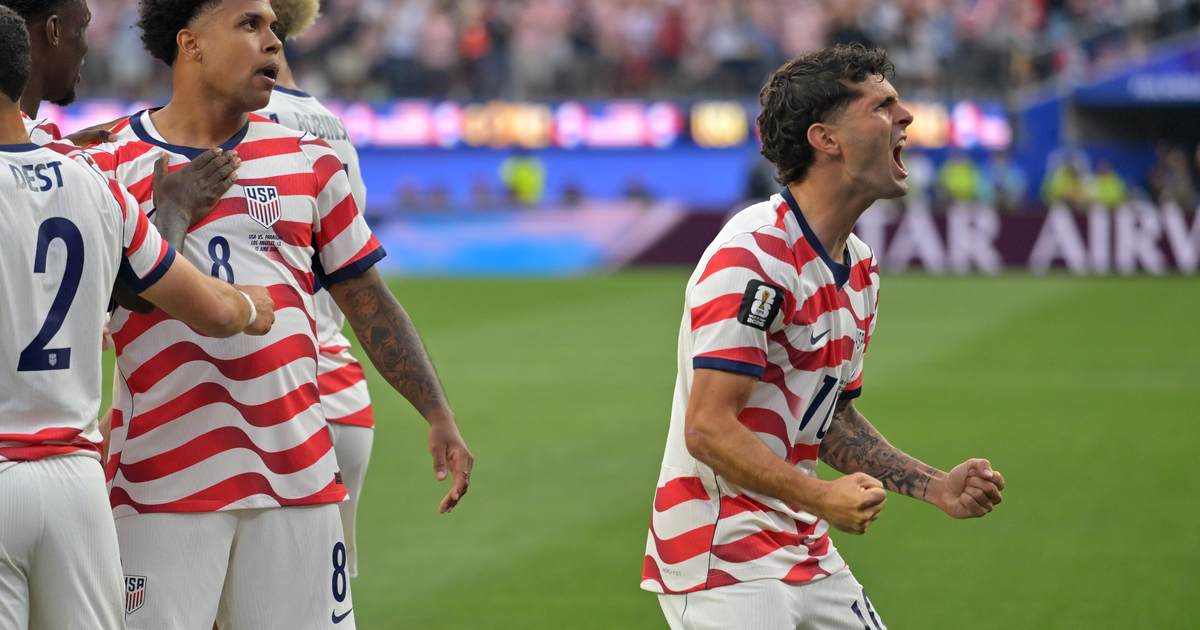
The U.S. men’s national team had just opened the World Cup with a convincing 4-1 win over Paraguay, a result that suggested the squad could go deep in the tournament. That performance followed a mixed bag among other contenders, with Spain drawing with Cabo Verde and Paraguay entering the event off wins over Brazil and Argentina. The contrast between U.S. momentum and the candidates’ declared allegiances sharpened the public reaction.
How hard is it to get behind the U.S. when you’re quite literally working to represent the United States of America in government? Seems rather disqualifying, doesn’t it? That blunt question has driven much of the pushback, since people expect those holding office or seeking it to stand visibly with the nation they serve.
Support for a foreign team is not a crime, and personal loyalties are understandable. Still, when you hold or seek an American office, fans expect a baseline of public solidarity, especially during a global stage like the World Cup. Voters often read symbolic gestures as reflections of broader priorities, and politicians are judged on whether their public persona aligns with national interest.
From a Republican perspective, this episode underlines a larger argument about civic cohesion and the signals sent by leaders. If elected officials prioritize external affiliations in public moments, critics say it erodes a sense of shared identity and weakens the message of national unity. Political opponents will use such moments to argue that representation should come with visible allegiance to the country you serve.
Campaigns live on narrative, and optics matter. A short interview clip can influence voter impressions more than pages of policy detail, which is why critics seized on these choices so quickly. Expect this line of attack to be folded into broader campaign narratives about commitment to the nation and the expectations of public service.
In the end, the episode is less about soccer and more about what voters decide matters when they pick their representatives. Personal history and heritage matter to many Americans, but so does the obligation of public officials to project loyalty to the people they represent. That tension will play out at the ballot box and in the larger debate over who best embodies national interest.