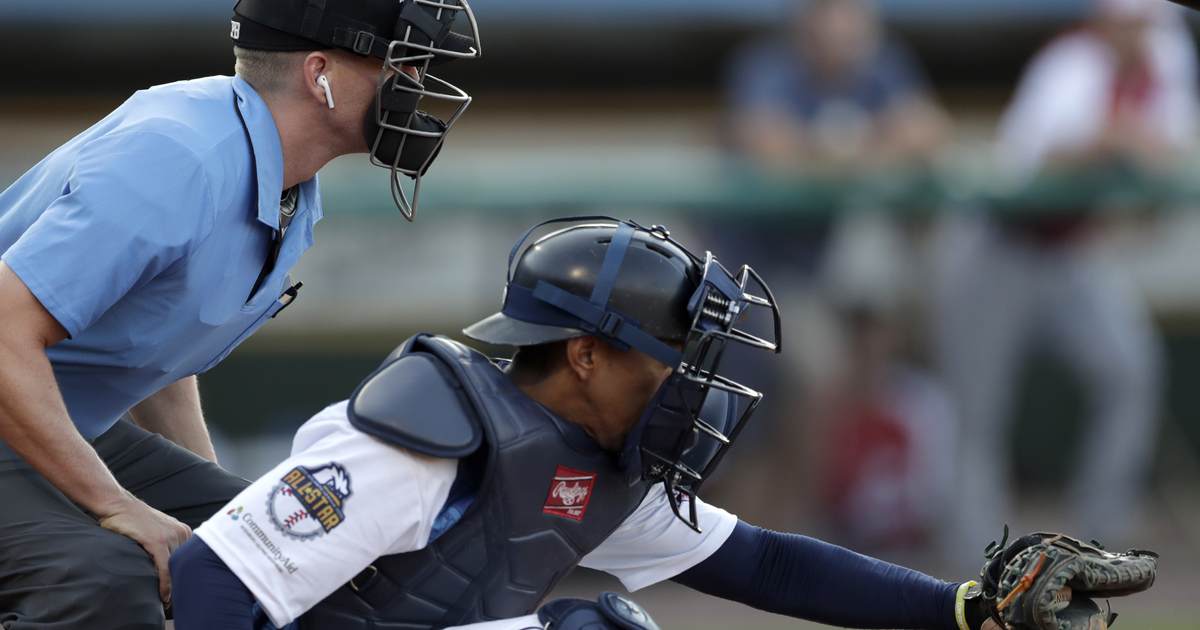
York Revolution players refused to wear rainbow-emblazoned jerseys, prompting the team to forfeit its scheduled Pride Night game while still hosting a free community event and donating $10,000 to a local LGBTQ center.
The York Revolution announced a forfeit after several players declined to wear jerseys featuring rainbow logos on the sleeves, and the organization placed responsibility for the cancellation squarely on those players. The team said it prioritized hosting the Pride event over forcing uniform compliance, treating tickets as rainouts redeemable for future games. That approach sparked immediate debate about choices teams make when activism and personal beliefs collide.
It is with great disappointment that the York Revolution have issued important changes to our 11th Annual Pride Night on Thursday, June 18th. Most significantly, the scheduled game between York and Southern Maryland will not be played and Pride will still be hosted as a free admission event. Everyone’s tickets for the game on Thursday will be treated as a rainout that can be redeemed for any future game.
This decision was not reached lightly. Unfortunately, several of our players have refused to wear the scheduled Pride Night jersey and the club decided that hosting the event is more important than forcing players to wear jerseys they are not comfortable with and playing the game.
The club went on to promise a “free and fun celebration of recognition and inclusion” and to donate $10,000 to a local LGBTQ center to support its work in the community. That move keeps the optics of inclusion intact while removing the on-field element that some players found objectionable. To many onlookers, the payout feels like a consolation prize meant to smooth over a situation that could have been handled differently.
https://x.com/EricLDaugh/status/2067649563922513957
From a conservative perspective, the episode raises predictable questions about corporate activism and the pressure organizations place on employees to wear symbols of political or cultural causes. Fans tune in for baseball, not for management to stage theatrical displays that can force people into uncomfortable positions. When a club decides the event is more important than the game itself, it signals where priorities lie.
The York incident follows a related controversy involving the San Francisco Giants, where some players chose to write Bible verses on their Pride Night caps. MLB commissioner Rob Manfred issued a warning about uniform violations, and the league’s response became part of a broader argument over where personal faith and league rules intersect. Several public figures offered to cover any fines those players might face and defended their right to express religious beliefs.
Those defending the players see this as a stand for religious liberty and freedom of conscience, not a rejection of people. The backlash against the players shows how fraught these moments are when religion and public displays of support for causes overlap. Conservatives argue that tolerating a range of beliefs means accepting that some will not participate in certain displays, and that should not be punished.
The Revolution’s choice to cancel the game rather than play without the jerseys also raises practical concerns about club decision-making. Forfeiting alienates fans who bought tickets to watch a contest and can damage trust with the core audience that supports the team. At the same time, the donation and festival keep the organization’s public relations goals alive, even if the competitive product was sidelined.
What this episode illustrates is a clash between performative inclusion and individual conviction inside sports, which are not immune to the cultural fights happening elsewhere. Teams that mix activism into the product risk splitting their fan base and putting players in a position to choose between career expectations and conscience. That tension will keep showing up until leagues and clubs set clearer, consistent policies that respect both team branding and individual beliefs.
Fans and community members will be watching how York and other organizations handle similar situations moving forward, especially when donations and public events are used to offset controversy. The larger conversation about free expression, religious freedom, and corporate signaling in sports is unlikely to disappear, and each new incident sharpens the debate about where sportsmanship ends and activism begins.