The Justice Department has filed suit against the City of Philadelphia over a new local law that would restrict how federal officers operate in the city, arguing the ordinance crosses constitutional lines and threatens federal personnel and operations.
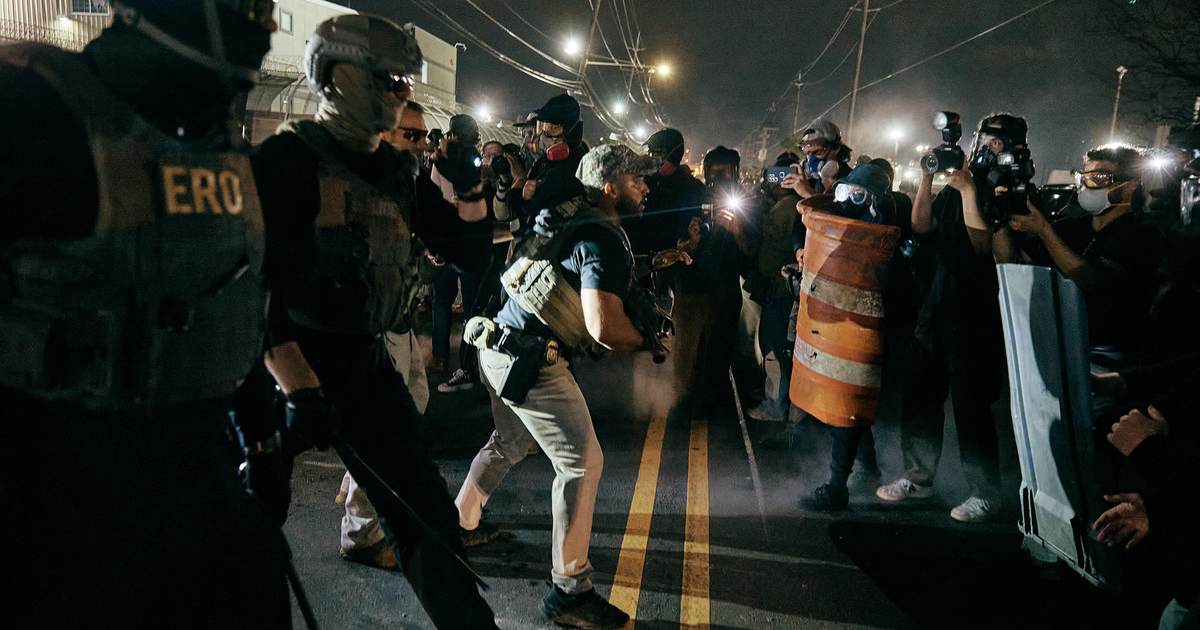
The Department of Justice sued Philadelphia over a local ordinance that would bar federal officers from wearing masks, require individual identifiers, and ban unmarked vehicles. The civil complaint names Mayor Cherelle Parker, District Attorney Lawrence Krasner, and City Solicitor Renee Garcia and runs 28 pages. Federal attorneys say the city is trying to regulate federal law enforcement activity in ways the Constitution does not allow.
The complaint presses the point that federal supremacy prevents local governments from imposing criminal rules on federal agents carrying out their duties. The suit says those local limits would interfere with law enforcement tactics and sensitive operations. The DOJ frames the ordinance as an unconstitutional attempt to reach into federal functions rather than a legitimate local safety measure.
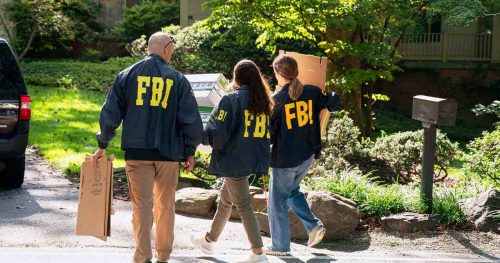
The filing also warns that forcing federal officers to reveal identities or abandon standard protections would risk safety for officers and their families. The complaint notes an uptick in harassment, doxxing, and even violence against federal personnel in recent months, and argues the ordinance would make those risks worse. Threatening officers with prosecution for protecting their identities, the DOJ says, chills enforcement of federal law.
The suit cites publicly filed documents and supporting exhibits, including a record labeled 260060 by scott.mcclallen, to back up its claims about the ordinance and its effects. Those exhibits are threaded into the complaint to show how the city’s language would operate in practice. The DOJ uses those materials to argue that the local law is both practically unworkable and legally barred.
The city council’s text plainly states its aim: “It is the intent of this Council to define the structure of the scope of duty, as well as substantive obligations of . . . federal law enforcement operating within the jurisdiction of the City of Philadelphia.” That declaration is central to the government’s case that Philadelphia sought to regulate federal officers operating under federal authority. City officials, including the Mayor and City Solicitor, reportedly voiced concerns that the Bill raised serious legal problems about the city’s authority to police federal activity.
The Justice Department says the ordinance would send a dangerous message by criminalizing routine decisions federal officers make to protect themselves and to carry out federal obligations. The complaint argues the law would chill necessary cooperation and put operations at risk when anonymity is critical. Nevertheless, the city’s ordinance is scheduled to take effect next month unless the court grants the relief the United States requests.
“Today we regrettably had to sue the birthplace of this great Nation,” said Associate Attorney General Stanley Woodward. “But we will not sit by while Philadelphia flagrantly violates our Constitution, seeking to criminally punish our Nation’s law enforcement heroes merely for doing their job.” That language underscores the DOJ’s view that the case raises both constitutional and practical stakes.
“It is disappointing to see the city where our Constitution was born so egregiously violate its separation of powers by criminalizing the work that Federal officers do to keep Philadelphians safe,” said Assistant Attorney General Brett A. Shumate of the Justice Department’s Civil Division. Acting Attorney General Blanche has instructed the Department’s Civil Division to identify state and local laws, policies, and practices that facilitate violations of federal laws or impede lawful federal operations, and this suit follows that direction. The government ties this litigation to a broader review of local measures that can obstruct federal enforcement.
The Philadelphia case is the latest in a string of federal suits challenging local ordinances that attempt to limit federal agencies’ work, with other actions filed in states and cities across the country. Federal lawyers point to prior litigation seeking to protect immigration and other federal enforcement efforts in places where local policy officials adopted rules that restrict cooperation with federal authorities. The outcome in Philadelphia will test how far municipalities can go when they try to set criminal penalties or operational requirements for federal officers inside city limits.
https://x.com/TheJusticeDept/status/2067673218974961705