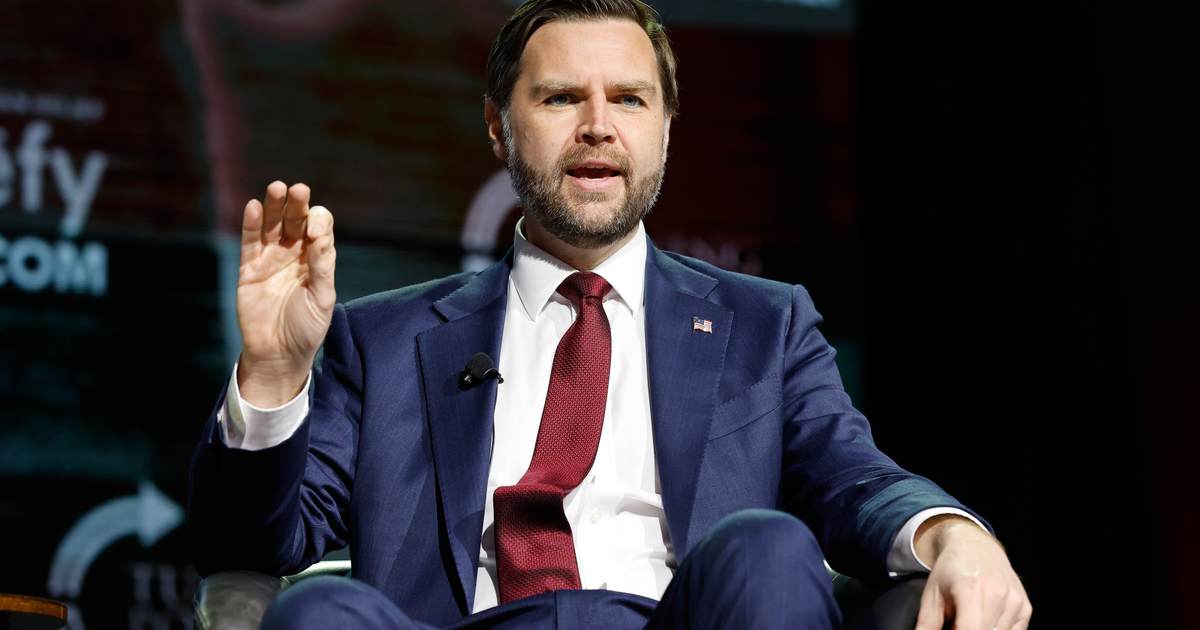
Vice President JD Vance faced the hosts of The View this week and walked out of the room looking measured while the panel spun itself into a debate about civility and political theater. A single line from Joy Behar — that Vance “wasn’t a bad guy” — triggered a bigger argument than the interview itself. The moment exposed how quickly polite gestures can become political ammunition on daytime TV.
Vice President JD Vance sat down with the all-women panel and mostly defused the heat with a calm, practiced approach. It wasn’t a knockout interview or a brawl, but a few pointed barbs were lobbed and then waved off by Vance. The real fireworks came afterward, not during the interview, when the hosts turned on one another over tone and manners.
Co-hosts of “The View” grilled Joy Behar on Friday about being a courteous host to Vice President JD Vance when he appeared on the liberal daytime talk show on Tuesday, and she argued she was simply following the example of the late Barbara Walters.
“It’s like with JD. He was here the other day,” Behar said as the panel looked back on the interview with Vance. “I respect the office. I believe in reaching across the aisle. I do.”
Moments later, co-host Sunny Hostin asked, “But I want to know, why were you so in love with JD Vance?”
“I wasn’t in love. I’m not in love with him, and I’m not in love with this administration,” Behar replied.
The exchange quickly turned from a talk about manners to a debate about motive, and that’s what made it newsworthy. Joy Behar defended simple decency and cited an older example of how to treat guests on air, while others on the panel read warmth as friendliness with political consequences. That interpretation gap is exactly the kind of split that fuels cable commentary and social media takes.
I mean, this is out of control: the reaction after the interview got louder than anything Vance actually said while he was there. Instead of focusing on policy or the substance of the visit, the conversation spun into whether a host showed too much warmth. That tells you more about the culture of partisan daytime TV than it does about the vice president.
https://x.com/overton_news/status/2068003126867619923
BEHAR: “With JD, he was here the other day. I respect the office. I believe in reaching across the aisle. I do. This is why MAGA Republicans, they’re coming around.”
HOSTIN: “But I want to know… why were you so in love with JD Vance?”
BEHAR: “I wasn’t in love… look I’m not in love with him and I’m not in love with this administration. You are watching me on this show!”
NAVARRO: “He came in strategically prepared to disarm us with niceness… It worked on you. It didn’t work on me!”
HOSTIN: “It didn’t work on me either.”
BEHAR: “It DID NOT work on me, Ana!”
HOSTIN: “I think it did.”
BEHAR: “It did not! I respect the office. I’m a civilized human being. When someone comes on my show, then you treat them like a human being!”
The split between Behar and her colleagues—particularly Sunny Hostin and Ana Navarro—read like a snapshot of modern media posture. Some hosts treated civility as a journalistic baseline, while others saw any softness as signaling betrayal. From a conservative perspective, it’s refreshing when an opposing viewpoint gets a fair hearing; it shouldn’t trigger accusations or dramatics.
On the other side, the back-and-forth showed how fragile public discourse has become, with tone often outweighing substance. The panel’s own producers might take note that what audiences remember is the interpersonal drama, not detailed policy exchanges. For voters watching, these moments shape impressions more than any short on-air answer ever could.
Editor’s Note: The radical Left will stop at nothing to enact their radical gun control agenda and strip us of our Second Amendment rights. That sentence reflects the stakes many conservatives see beyond TV squabbles, where broader cultural fights play out in tiny segments that get amplified across platforms.