The Toronto Star ran a June 18 opinion arguing that Father’s Day should be eliminated, and the piece sparked pushback about the holiday’s meaning and role in family life.
The opinion column came from Vinay Menon, an entertainment writer who called Father’s Day a “made-up celebration” and argued it has outlived whatever usefulness it once had. Menon recommended doing away with the observance, even suggesting the holiday be abolished in 2027. That stance landed as a clear provocation for readers who see the day differently.
Menon went further, calling the holiday “obsolete” and urging a full stop to the ritual of gift-driven recognition. His language was sharp and intended to unsettle a familiar tradition, framing Father’s Day as a kind of public theater rather than a genuine moment of gratitude. For many, that framing crossed a line between critique and dismissal.
“Father’s Day does not need to be reimagined or reformed. It needs to be put out of its misery. We dads are good at noble sacrifice. And if jettisoning our special day gives our offspring more time to spend with us instead of frantically prowling the shaving aisle at Shoppers Drug Mart on Saturday night, we are ready to torpedo the circular farce that is Father’s Day.”
The counterargument is straightforward: Father’s Day exists to honor fathers and father figures who have sacrificed, taught, and guided. It isn’t supposed to be a retail holiday, or a contest in bad gift choices, but a moment to acknowledge the people who helped shape your life. For many families that recognition matters more than a novelty present.
The broader social context people raise in response is hard to ignore: children raised without an engaged dad often face steeper odds when it comes to stability, behavior, and long-term success. Critics of the op-ed pointed to links between family breakdown and higher rates of poor decisions, violence, and social dysfunction. The holiday, they argue, helps reinforce norms and relationships that prevent those outcomes.
Fathers often occupy roles that go beyond ceremonial presence — protector, provider, and primary fixer of household problems. They pass along practical skills you rarely learn in school, from maintaining machinery to taking sensible risks and handling responsibility. Those daily lessons and the steady presence of a parent are exactly what Father’s Day aims to recognize.
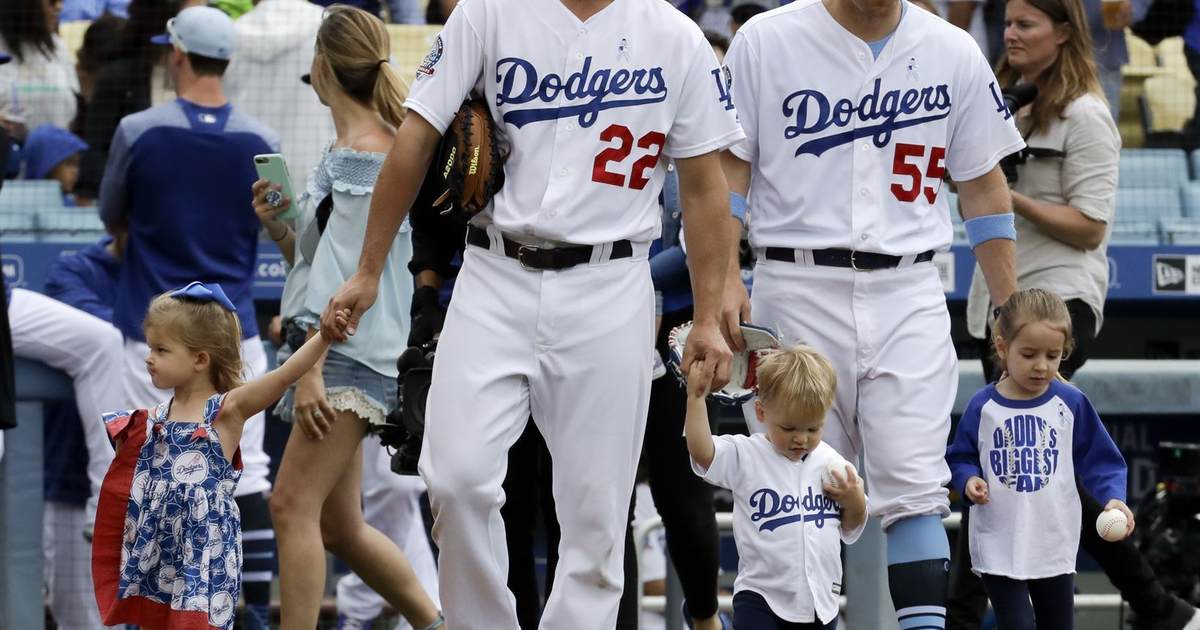
The day’s point, many say, is simply to spend time with your dad while you can and to say thank you for the little and big things he did. Turning the occasion into a shopping holiday misses that human side and reduces gratitude to commerce. That is why critics bristle when writers reduce Father’s Day to a gimmick.
There are personal stories behind that pushback. People remember fathers who taught them a work ethic, how to fix a car, or how the world operates, and those memories shape how they see the holiday. One writer recalled learning relentless work habits and practical engine maintenance from his father — lessons he expects to carry for life. Those everyday teachings are why the day feels important to so many.
Social media reacted quickly and often sharply to the Toronto Star piece, with readers calling the proposal tone-deaf and out of touch. The commentary ranged from disbelief to anger, and it made the column a topic of online debate over familial values. That reaction underscored how public discussions about private relationships can ignite intense responses.
Beyond the internet flare-ups, the exchange raises a wider cultural question about traditions and what they protect. Some see holidays as outdated rituals while others see them as social glue that keeps family ties visible in busy modern lives. Either view points to different priorities about how communities honor service, sacrifice, and mentorship.
Whether Father’s Day stays, changes, or fades, the debate itself reflects how strongly people feel about the roles fathers play. For now, arguments over the holiday show less a single right answer and more a clash of values about recognition, family stability, and how society remembers the unpaid labor of parenting. Expect this kind of dispute to keep surfacing in discussions about culture and family life.
https://x.com/ryangerritsen/status/2068689130347741362