Hillary Clinton’s fresh attack on the Electoral College in a Netflix doc has the old political class dredging up 2016 again, and many conservatives see it as proof she’s still stuck on a defeat from years ago. The comments landed like a reminder that some figures in the Democratic world never move on, and the reaction raises questions about who gets to lecture the country on its institutions.
Hillary Clinton resurfaced in a new documentary and used the platform to call the Electoral College an abomination, which predictably set off another round of liberal outrage and media breathlessness. For many on the right, this is less a serious critique and more evidence of a politician fixated on one loss. The tone of those remarks felt less like sober reflection and more like a replay of the same grievance that’s haunted Democrats since 2016.
That fixation matters because institutions like the Electoral College have a long history and purpose that deserve sober debate, not melodramatic soundbites. Critics argue the system balances power among states and prevents coastal majorities from deciding everything for the rest of the country. Sweeping it away because of one election outcome would be a dramatic change, not a simple fix.
The documentary angle makes the timing suspicious: why revive this now, and why in a scripted series that packages opinion as insight? Democrats have spent years trying to move forward but keep circling back to the same old complaints. When a veteran politician frames a constitutional mechanism as an “abomination,” it’s fair to question the motives and the historical accuracy behind that language.
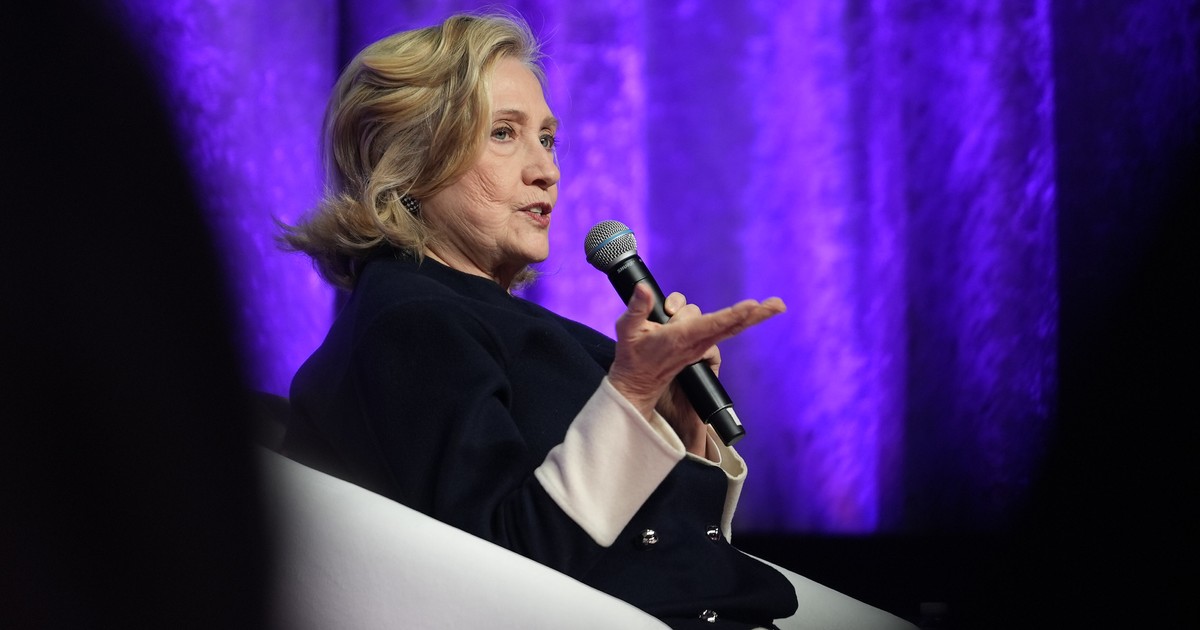
Despite winning the popular vote by nearly three million votes, the former secretary of state and first lady lost the electoral vote — and thus, the presidency — largely thanks to the ex-reality star and real estate scion carrying three crucial, typically blue Rust Belt states (Pennsylvania, Michigan and Wisconsin) by a total of 80,000 votes. And now, Clinton is voicing her displeasure with America’s Electoral College system in “The American Experiment,” a new Netflix docuseries debuting June 24.
“Well, I personally think the Electoral College is an abomination,” says Hillary Clinton, adding, “For obvious reasons.”
That quoted passage is unedited and speaks for itself: the documentary replays the familiar talking points about popular vote versus electoral outcome. But facts and framing are different things, and Republican critics note the history invoked by Clinton often gets bent to fit a narrative. The Electoral College was designed for federal balance, and modern complaints should engage that nuance rather than rely on rhetorical outrage.
https://x.com/SteveGuest/status/2069251976294965704
There’s also a political reality to consider: public figures who keep relitigating old losses are usually trying to shape a narrative for their side, not heal divisions. When Clinton blasts the Electoral College, the media predictably points cameras her way and repeats the take. Conservative voices see this as theater—an attempt to keep a political wound open that should have scabbed over long ago.
Let’s also be blunt about 2024 results and context: many on the right point out that the last presidential cycle reinforced the Electoral College’s role, with the Republican candidate doing well in the electoral count. That outcome underlines the argument conservatives make about the system protecting broader geographic interests, not just urban vote totals. It’s a reminder that elections are about more than raw national tallies.
And yes, this debate spilled onto cable news, where the conversation sometimes slid into spectacle rather than substance. The network coverage amplified a few lines and framed them as earth-shattering, which is exactly the sort of coverage that keeps personalities like Clinton in the spotlight. Viewers on the right see that pattern and interpret it as media bias toward keeping Democratic grievances center stage.
Democrats pushing the narrative that the Electoral College is illegitimate often ignore the trade-offs involved in constitutional change. Eliminating or radically altering the system would require broad national consensus and would reshape campaign strategy and federal balance. Conservatives argue those consequences deserve careful thought, not one-off declarations from former nominees unhappy with a past result.
It’s easy to lampoon the former first lady for clinging to a 2016 loss, but the larger point is about tone and responsibility. Longtime public servants carry weight when they critique institutions; calling foundational elements of the republic names without full context tends to inflame rather than clarify. Republican commentators see this as part of a pattern where Democrats weaponize frustration instead of engaging in constructive reform.
At the end of the day, the argument from Clinton and her allies plays well to a certain audience, but it doesn’t settle the deeper questions about federalism, representation, and the intent behind our electoral architecture. Conservatives will keep insisting that the Electoral College serves a purpose that can’t be dismissed with a few angry lines. For many voters, the message is simple: you lost, get over it, and stop telling the rest of the country how to structure its institutions without a real plan.