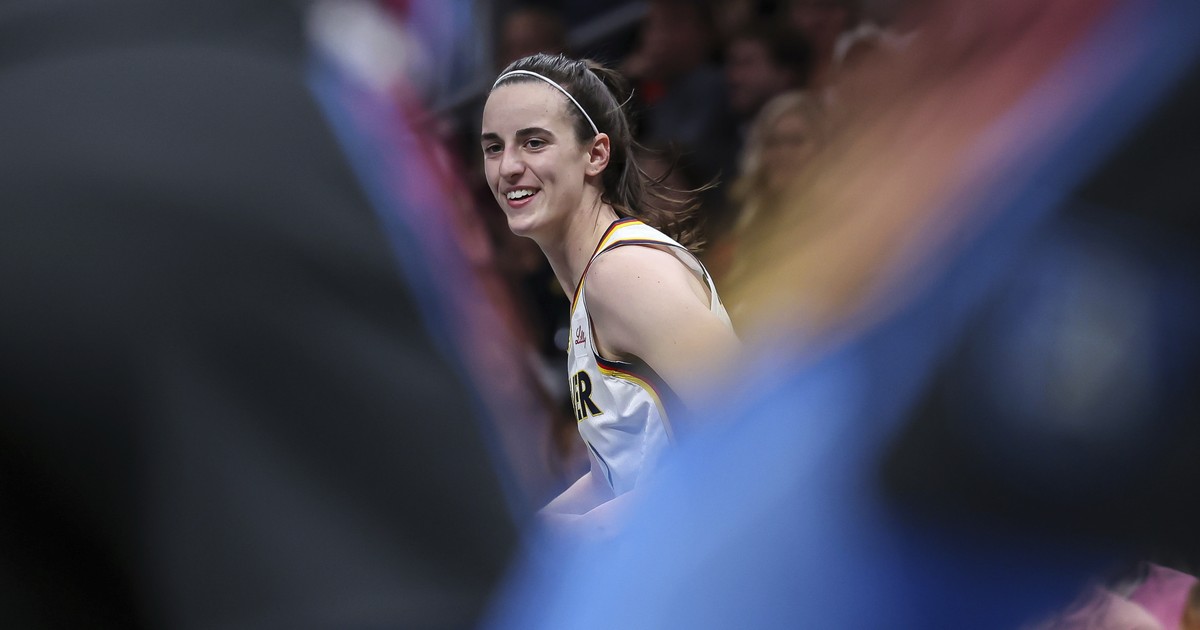
The league’s handling of Caitlin Clark has stirred heated debate after a string of on-court incidents, inconsistent officiating, and a high-profile marketing omission that together raised serious questions about how the WNBA is treating its biggest new star.
The arrival of Caitlin Clark in the WNBA brought unprecedented attention to the league, offering a clear chance to grow viewership and mainstream interest. Instead of a unifying boost, a sequence of disputed calls and media narratives have kept the conversation centered on controversy rather than basketball. That shift matters because a fragile fan base can either expand around a new star or fracture when the headlines turn ugly.
Clark’s profile from college carried huge expectations: national TV numbers, new sponsorships, and a different audience tuning in. The Indiana Fever and the league had an opening to capitalize on that momentum and to showcase the product to casual fans. Where that opportunity has slipped is in how incidents involving her have been handled and discussed.
A recent physical play involving Alyssa Thomas drew intense scrutiny when officials did not call a foul, and many viewers felt the replay told a different story. That is a full-on throat punch with no foul. The angle and slow motion made the contact obvious to many observers, and criticism of the non-call spread quickly across social channels.
Obviously. The sequence left fans and pundits asking why the standard seemed to shift in that moment. Replays and commentary amplified tension, and the situation became less about a single play than about perceived consistency in officiating.
https://x.com/JonnyRoot_/status/2069947140487688609
Fined and suspended. The league’s disciplinary action followed public outcry, but those penalties only deepened the debate about when and how rules are enforced. Fans noted the delay between the incident, the reaction, and the decision, which fed narratives about preferential treatment and inconsistent governance.
Clark should take a coaching job and endorsements. She’d make more money and not get punched in the throat. Those blunt takes came from people frustrated by the optics and the risks top players face when physical play escalates without obvious in-game consequences.
Yes. The way some outlets framed Clark leaving a game added to the controversy, with terse labels and shorthand that did not sit well with portions of the audience. A single phrase used by commentators — ‘Back issue.’ — became a flashpoint in conversations about coverage and empathy for a player who has become a cultural touchstone.
‘Back issue.’ Simply incredible. That short line, repeated and dissected, showed how quickly framing can redirect attention away from the on-court matter and toward larger questions about tone and context. Those debates spilled into discussions about race and treatment within the league, which many fans said deserved more than a passing mention.
There is a lot of racism in the WNBA, it seems. That claim surfaced in reaction to patterns observers perceived across games and coverage, and it underscores how polarized reactions to incidents can be. The league’s leadership now faces pressure to address not just officiating but also perception and fairness in how players are discussed publicly.
We do not. Many fans pushed back against dismissive takes and argued for clearer standards and more consistent communication from officials and the league office. The dispute over tone extended to marketing choices, where some saw further evidence of awkward priorities.
And check out this 30th anniversary poster for the WNBA. Spot who’s missing. The omission of a high-profile player from a celebratory campaign prompted fresh questions about how the league selects faces for its promotional pushes and whether messaging aligns with business interests.
Some critics now argue the league could struggle financially without stronger, more consistent outreach and clearer rules that protect star players. The WNBA benefits from affiliation with larger basketball institutions and media partners, which has helped sustain visibility for years, but observers warned that shaky decision-making could undercut long-term growth.
If the NBA didn’t prop them up, the league would fold tomorrow. That claim reflects frustration among certain viewers who see structural dependencies and want the WNBA to build independent momentum. League officials have a choice: confront these critiques with transparency and better communication or risk losing momentum as the spotlight intensifies.
Calls for clearer officiating policies, smarter marketing decisions, and more consistent media handling will likely continue as the season moves on. The conversation around Clark’s treatment has become a test for the WNBA’s ability to manage a sudden surge in attention without alienating the audiences it needs to grow.