President Trump framed the recent surge of Mamdani-aligned politicians as a renewed ideological threat, arguing that communist ideas have moved from the margins into mainstream politics and warning Americans about the consequences for religious liberty and national prosperity.
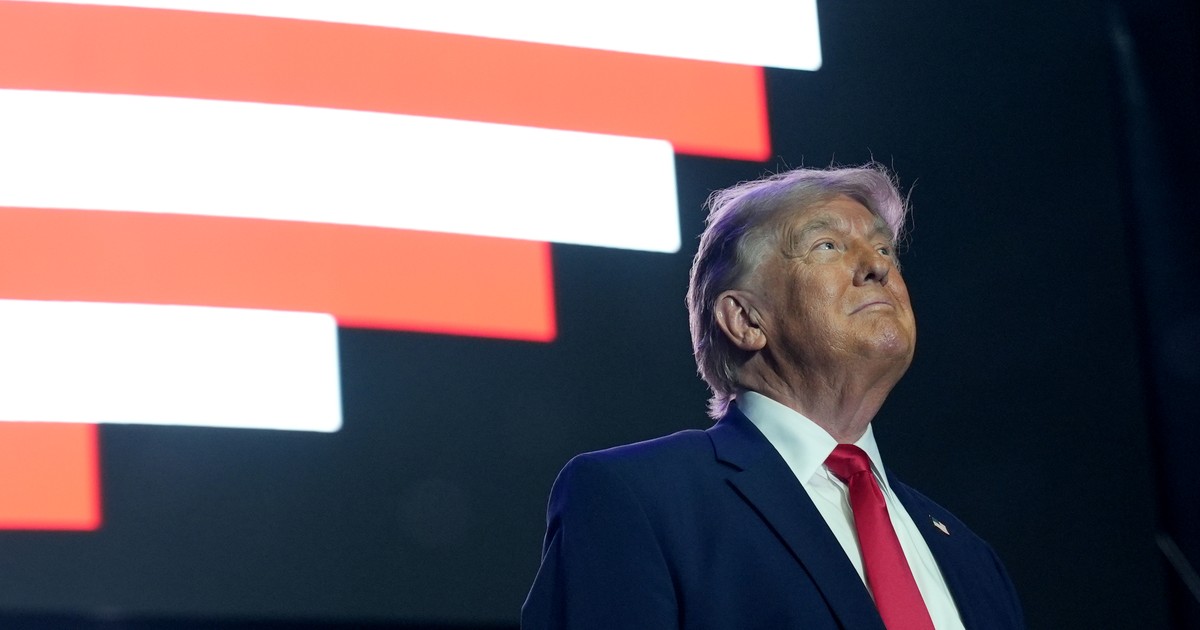
Donald Trump told supporters that he has “waited and prepared” for a resurgence of communist influence after the recent wins by Mamdani-aligned candidates in New York. He described their rise as unprecedented, calling it “the most serious threat to our country since its existence.” His rhetoric tied the electoral gains to a broader cultural and ideological battle over religion and freedom.
In a public address that marked his return to speaking about internal threats, Trump argued these movements are not mere policy debates but existential challenges. He warned repeatedly that the mainstreaming of communist ideas will bring harsher treatment of faith communities and a collapse of basic institutions. That warning was framed as a direct appeal to voters concerned about law, order, and religious liberty.
https://x.com/RapidResponse47/status/2070278293798998328
“These are not social Dumocrats, these are hard core, godless Communists,” Trump likewise on social media. “This is the most serious threat to our Country since its existence 250 years ago. Isn’t it ironic, we’re celebrating a very important Birthday, and instead of speaking about Christ, Freedom, and Victories of all different kinds, we’re speaking about yet another threat to the Foundations of America.”
He doubled down on the link between communist regimes and religious persecution, saying bluntly that “These ruthless Communists will attack all Religions but, in particular, Christianity – They always do.” He went on to add, “All Communist Countries attack Religions violently.” The point was aimed at rallying voters who see faith as central to American identity.
Trump also painted a vivid picture of the economic fallout if those ideas take hold, stressing that the promises sound alluring but deliver ruin. He argued the offers of universal benefits are temporary bait that inevitably lead to shortages and decay. His message paired economic warning with cultural alarm to make the case for political resistance.
“Communism is very easy to sell,” Trump said. “I’d be the Greatest Communist in History. I’d give free rent, free houses, free food, everything is free. Unfortunately, after two or three years, the Country where this is taking place would fail. It always does, and then you’ll start living in squalor.”
He sketched the aftermath in stark terms: “There will be no food, there will be no housing, there will be no Military, there will be no nothing. You’ll be Third World every way, and everyone will suffer or die,” he added. The dramatic language is meant to jolt voters away from complacency and toward action at the ballot box.
Explaining how radicals climbed into power, Trump blamed weakness inside the Democratic coalition, saying those in charge refused to push back. “It’s easy for them to get followers because they make promises that they know they can’t keep, and the Dumocrats aren’t fighting back,” Trump also said on social media. “In many ways, they’re allowing them to go their own way. They’re afraid they will lose their Election, they’re afraid of conflict. They’re not smart enough or tough enough to fight this plague. If they fought them the way they fight Republicans, or me, they’d be victorious, but they don’t have the courage to do so.”
Trump used that charge of cowardice to contrast his own posture as confrontational and unafraid, urging conservatives to treat the moment as a turning point. He framed the choice as simple: stand up and defend constitutional liberty or watch institutions fail. That framing is designed to consolidate voters who prioritize national strength and religious freedom.
The surge in far-left influence comes as the nation approaches its 250th Independence anniversary, a timing Trump seized on to warn that American traditions are at stake. He appealed to patriotic sentiment, arguing that the country’s founding principles are incompatible with communist rule. The speech aimed to cast the coming elections as a referendum on those principles rather than a routine power shuffle.
Across the remarks, Trump combined sharp partisan critique with apocalyptic imagery to make his case urgent and personal. He tied electoral outcomes to everyday concerns — food, housing, faith — and used those connections to mobilize his base. Whether voters accept his framing will determine how the issue plays out in the months ahead.