The Maine Senate primary mess keeps getting messier, with new allegations, party turmoil, and whispers about a last-minute substitute candidate that would skip the ballot and rile voters.
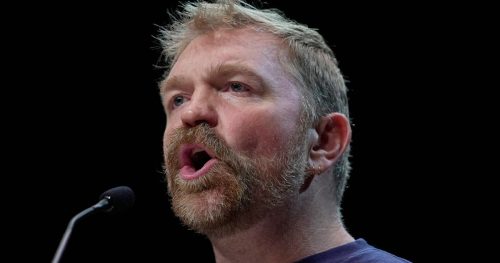
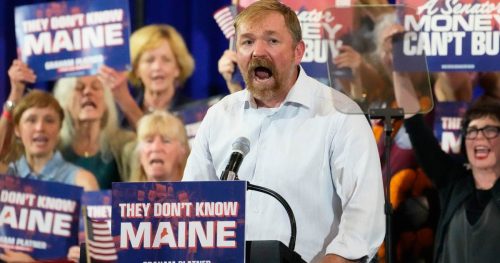
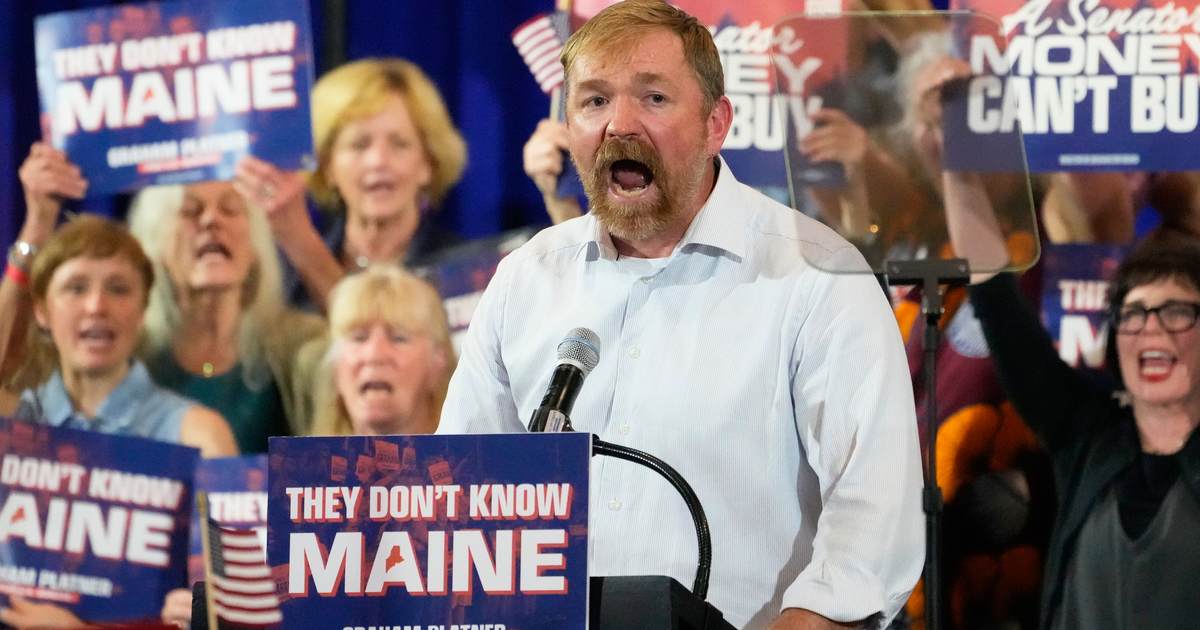
The campaign around Graham Platner collapsed into chaos after fresh accusations were made public, prompting prominent Democrats to pull their endorsements and demand he withdraw. Platner has not formally bowed out, but the damage is done: donors and activists are rattled and the party is scrambling. This is now about more than one candidate; it is a test of whether a party will respect voters or override them. The stakes are high with Senator Susan Collins waiting in the wings as the Republican incumbent.
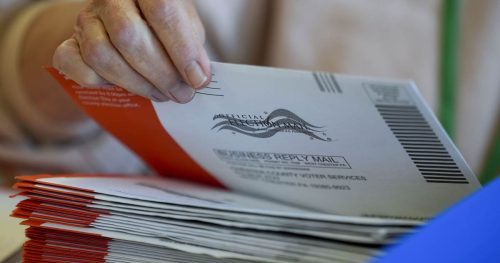
Party insiders are said to be eyeing Nirva Shah, the former Biden administration CDC Director, as a replacement option if Platner steps aside. That name alone tells you a lot about the direction national Democrats might take: choosing a Biden-era official who was never on the Maine primary ballot. The rumor underlines a broader pattern where elites prefer hand-picked solutions to the messy, inconvenient reality of primary results. Voters in Maine cast ballots and the numbers favored Platner by a large margin in the vote that counted for the Democrats.
The idea of installing a nominee after a clear primary victory will look like political theater to many Mainers, and that’s exactly the problem for Democrats. When a party substitutes qualifiers who didn’t face voters, it reinforces the perception that insider power matters more than actual elections. That perception is poisonous in a state where independence and local accountability still carry weight with the electorate. If activists and leaders go forward with a maneuver like this, they risk energizing Republican turnout and alienating soft Democrats.
https://x.com/aseitzwald/status/2074239858571186405?ref_src=twsrc%5Etfw
Shah’s name being floated is notable because she was not on the primary ballot at all. Platner’s primary performance was strong on paper, but headlines and scandal have eclipsed the vote totals. According to NPR, Platner received almost 80 percent of the primary vote, Janet Mills was a distant second at just under 20 percent, and David Costello earned 8.3 percent of the vote. Those are the numbers people remember until the next shocking story drops and changes the narrative.
Some defenders of a backroom replacement will argue the governor could reclaim the field or that a seasoned nominee beats a troubled newcomer in a general election. That argument ignores basic democratic optics: tossing out a primary winner for an unelected substitute is a self-inflicted wound. Mainers are not likely to forget that their choice was overridden. Meanwhile Republicans smell opportunity and are sharpening their message on accountability and voter respect.
The broader context is uncomfortable for Democrats. This is one more episode that feeds a narrative their opponents have used for years: that modern Democrats prefer managerial fixes to popular mandates. Conservative voters will use that to paint the party as elitist and anti-democratic, and independent voters in Maine may respond to that framing. The whole episode plays right into the hands of those who say Democrats don’t trust ordinary people to pick their leaders.
There’s also the policy angle. Suggesting Nirva Shah as a Senate candidate invites scrutiny of her record at the CDC under the Biden administration, a period many voters remember for heavy-handed public health orders. Critics will highlight those elements and tie them to broader concerns about Washington overreach and bureaucratic impulses. Republicans are likely to lean on those memories and argue that a Shah candidacy would remind voters of the pandemic-era decisions they never forgot.
For now, the coming days will reveal whether Democrats respect the primary outcome or choose to substitute a nominee who did not face the voters. Either path has consequences: sticking with Platner risks an embattled campaign, while replacing him invites charges of insiderism and may energize opposition. In either scenario, Republicans see an opening to run an accountability-focused race centered on voter choice. The Maine contest is shaping up to be a referendum on party power versus popular will.
Editor’s Note: The 2026 Midterms will determine the fate of President Trump’s America First agenda. Republicans must maintain control of both chambers of Congress.