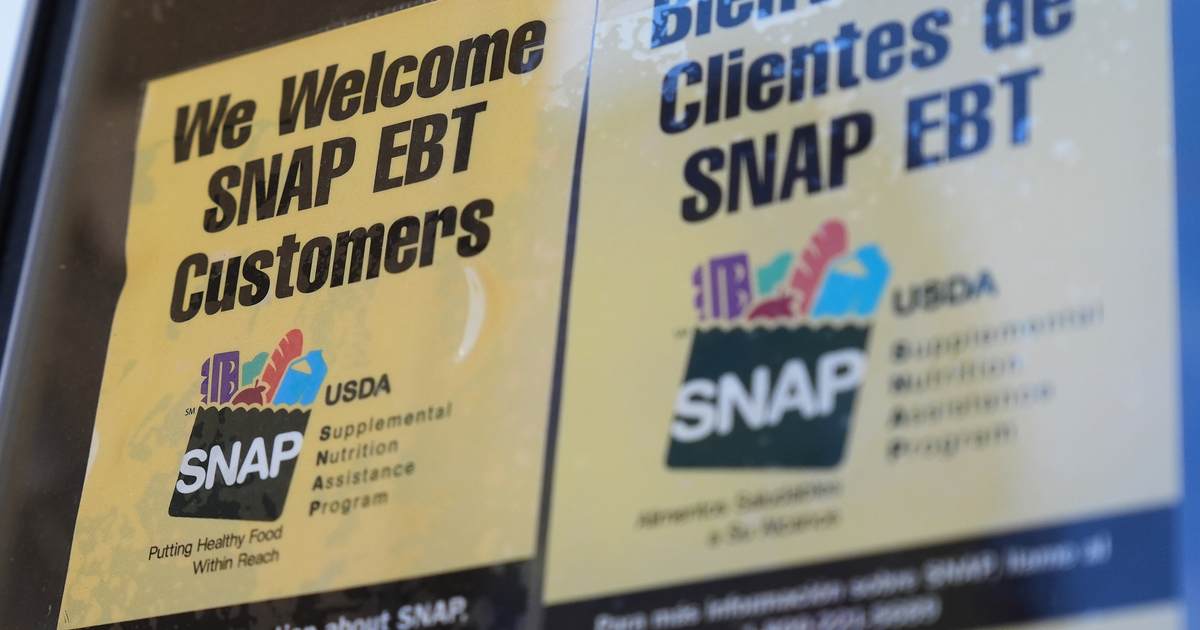
Federal prosecutors say a small Boston storefront ran a multimillion-dollar scheme to traffic SNAP benefits, resulting in a criminal conviction, prison time, forfeitures and restitution tied to roughly $7 million in fraudulent redemptions.
Antonio Bonheur, a 75-year-old Mattapan resident and operator of Jesula Variety Store, was sentenced in federal court to two years behind bars followed by two years of supervised release. Authorities say the tiny 150-square-foot store posted SNAP redemption totals that were wildly out of line with its limited inventory and size.
Prosecutors reported that monthly SNAP redemptions at the store frequently topped $100,000 and sometimes reached $300,000 to $500,000, while a full-service supermarket in the area averages roughly $82,000 per month. Investigators allege the shop had no shopping carts, no refrigerators, minimal food on shelves and a single cash register, yet it processed transactions that looked like those of a large grocery store.
Bonheur pleaded guilty in March 2026 to one count of food stamp fraud and one count of wire fraud, after being arrested and charged in December 2025. The court ordered a $1 million money judgment in restitution and the forfeiture of about $400,000 in seized funds tied to the scheme.
The charging documents say the store operated more as a trafficking operation than a legitimate business for more than three years, with transaction patterns showing an unusually high share of large purchases. Roughly 70 percent of transactions exceeded $95, while only about 10 percent were under $40, a pattern more consistent with a supermarket than a 150-square-foot variety shop.
Undercover buys during the investigation documented at least four instances where SNAP benefits were exchanged for cash at the register, with Bonheur handling the transactions personally. Investigators also report that he trafficked benefits for liquor and converted benefits to cash through multiple secondary bank accounts to hide the origin of funds.
“SNAP is a lifeline for hardworking Americans – not a slush fund for criminals,” said United States Attorney Leah B. Foley. “Antonio Bonheur came to the United States and repaid this country’s generosity by orchestrating a multi-million-dollar scheme that robbed taxpayers and stole from families who genuinely depend on this program to put food on the table. His so-called “convenience store” was a sham – a 150-square-foot fraud storage closet with bare shelves and virtually no food inventory. The only thing moving across his counter in any meaningful volume was stolen taxpayer money. Even more outrageous, while looting millions from SNAP, Mr. Bonheur was collecting SNAP benefits himself after state authorities accepted his claims of “poverty” with little meaningful scrutiny. That spectacular failure of oversight gave him exactly the opportunity he needed to exploit a system built on trust. Every dollar he stole had to be earned by an honest taxpayer first, and every dollar diverted weakened a program meant to protect our nation’s most vulnerable. This office will relentlessly pursue and prosecute those who treat public assistance programs as criminal profit centers to steal from the American people.”
https://x.com/FBIBoston/status/2075021359369912534
Officials say Bonheur also sold donated humanitarian meals, MannaPack meals manufactured by Feed My Starving Children, in his store though those products are intended for overseas distribution and are not authorized for retail sale. Authorities allege he sold those packages for about $8 each and profited from food meant to help food-insecure children abroad.
The prosecution claims the scheme produced roughly $7 million in fraudulent SNAP redemptions, with Bonheur personally keeping about 20 percent of the proceeds. To obscure the money trail, he allegedly shuffled funds through multiple bank accounts and used cash withdrawals and redeposits to create a false appearance of legitimate business revenue.
Charmeka Parker, Special Agent in Charge of the U.S. Department of Agriculture, Office of Inspector General, Office of Investigations – Northeast Region, commented on the case: “The outcome of this investigation should send a message of deterrence to those individuals who choose to steal taxpayer funds for personal use. Maintaining the integrity of USDA funding remains a priority for our agency. We appreciate the partnership with the U.S. Attorney’s Office in pursuing this type of fraud and holding bad actors accountable.”
FBI Boston Division leadership also weighed in. “Food-stamp fraudster Antonio Bonheur came into our country and took total advantage of it, setting up a tiny shop in Mattapan that was essentially nothing more than a front for massive fraud. He stole millions from a taxpayer funded program aimed at helping the poor, to instead make himself rich, and double dipped on a critical safety net that he too claimed he needed to survive,” said Ted E. Docks, Special Agent in Charge of the Federal Bureau of Investigation, Boston Division. “The selfishness and unremitting greed on display in this case is astonishing, and this sentence makes it clear that fraud is never the ticket to lasting financial gain. The FBI and our partners are working hard to crack down on crooked businesses of all kinds, whether they’re cheating the public, the government, or as in this case, both.”
Federal prosecutors noted that, despite the store’s large redemptions, Bonheur himself was issued a SNAP card by the state after making false statements about his income and assets on his application. Investigators say he then trafficked some of those benefits through his own outlet while running the broader fraud scheme.
On March 26, 2026, the United States Attorney announced the creation of a districtwide Benefit & Voter Fraud Team to focus on misuse of taxpayer-funded benefits, and on April 7, 2026, the Department of Justice announced a National Fraud Enforcement Division to coordinate fraud prosecutions. The case was prosecuted by Assistant U.S. Attorney Phillip A. Mallard of the Organized Crime & Gang Unit.
The details in the charging documents are allegations. Any remaining defendants are presumed innocent unless and until proven guilty beyond a reasonable doubt in a court of