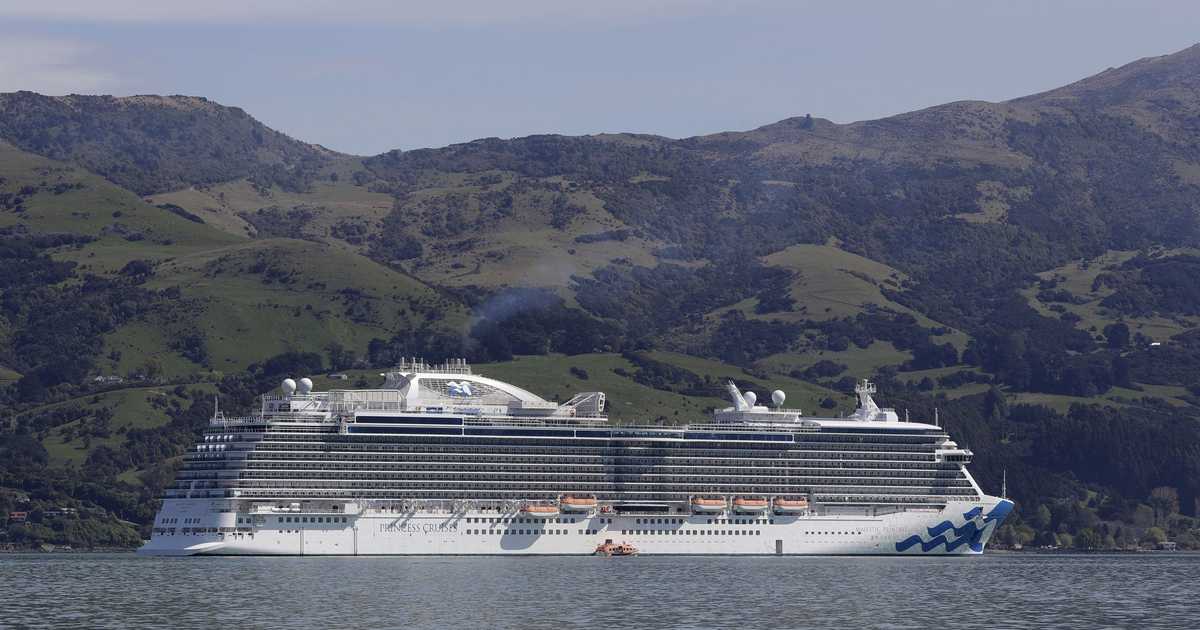
A gay-chartered cruise that set sail from Athens on July 5 was turned away by Turkey and then denied entry by Egypt, forcing a sudden reroute and sparking sharp reactions from passengers and commentators.
The cruise, organized by Atlantis Events and running on the Scarlet Lady, planned stops that included ports in Turkey and Egypt. Organizers say the charter was denied docking in Turkey because the passengers are gay men, and the ship then sought alternative ports. Officials redirected the itinerary after the denials, leaving thousands of passengers uncertain about the next steps.
There’s just one problem: Egypt denied them, too. The company informed passengers the ship would no longer be able to call in Alexandria as planned, and notices appeared under cabin doors as the situation unfolded. Travelers woke up to the abrupt news and immediate scrambling by the operator to find a new port of call.
The Scarlet Lady’s 2,000 passengers, including the Broadway performer Patti LuPone, woke on Thursday morning to find a note placed under their cabin doors informing them that the ship was urgently looking for alternative ports.
https://x.com/Not_the_Bee/status/2075316560810373387
‘Early this morning, we were informed that Scarlet Lady has been denied entry into Egyptian waters, and, as a result, will no longer be able to call in Alexandria today,’ Rich Campbell, the chief executive of Atlantis Events, the tour group that chartered the Virgin Voyages ship, told passengers.
‘I know how much this visit meant to so many of you. We successfully sailed a similar itinerary last year without issue. So we were surprised by this unfortunate decision,’ he wrote.
Organizers and pass riders were left asking why the same route worked last year but not this time, and questions about political pressure followed. This is a heavily Islamic region with strict social codes, so surprise at the denials was met with frustration from people who expected routine port calls. The episode highlights how quickly cultural and political sensitivities can shut down planned travel.
Cruise passengers also spoke out about the disruption and their bewilderment at how local reaction turned into official action.
Passenger Josh New described how a planned party in Istanbul became a political flashpoint after word spread in local media. “He says to me, well, one of the gay bars in Istanbul was going to have a party for us, and a prominent conservative paper in Turkey got ahold of it, and it became a political problem,” New said. “People were kind of in a lot of disbelief, angry, upset.”
There are larger ideological currents here that matter. The American Left has, in many cases, sided rhetorically with Islamist movements on certain foreign issues, even as those movements legally and culturally oppose homosexuality. Homosexuality is forbidden in Islam and, in many places, is punishable by prison or death, and examples around the world show the stark contrast between Western liberties and the penalties faced elsewhere.
Many Americans on the cruise probably took for granted rights and freedoms that are normal at home but absent in other parts of the world. The shock of being refused entry is also a reminder that hosting countries make decisions based on their own laws, pressure, and public sentiment. That reality runs counter to the assumption that Western social norms travel unchanged across borders.
Reports note the same itinerary sailed without incident last year, which raises questions about what changed this season and why officials intervened. Whether it was media attention, political pushback, or a policy shift, the result was the same: the ship had to alter its plans and passengers had their trip disrupted. The sudden enforcement shows how fragile planned international events can be when cultural controversies arise.
Tolerance for differing lifestyles is a product of Western liberal traditions, and many other countries do not share those norms. Yet some factions on the Left appear unwilling to acknowledge those differences and the practical consequences they bring when American groups travel abroad. That disconnect between ideology and global reality is part of why these incidents keep happening and why they provoke such heated reactions at home.