A swift read: Israeli intelligence warned President Trump about a fresh Iranian assassination plot, a Democratic congressman suggested Israel might have fabricated the claim to push a harder line, and this exchange revived questions about Iran’s motives, U.S. countermeasures, and partisan reflexes in Washington.
The Wall Street Journal reported that Israeli officials shared intelligence with the president indicating a new Iranian plot to assassinate him, and that the Israeli material suggested the regime might be vulnerable to a forceful response. That warning landed in Washington and quickly became a focal point for national security debate and partisan spin. The basic facts in circulation are straightforward: Israel provided fresh information, and U.S. officials were briefed.
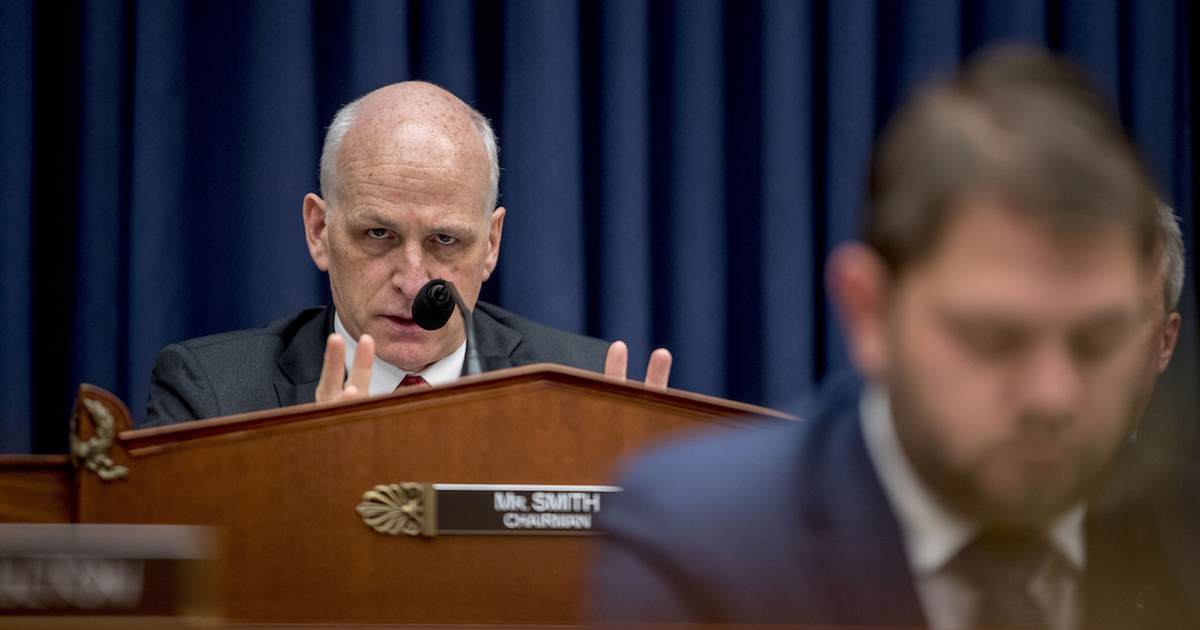
On CNN’s The Source, Representative Adam Smith was asked about the reports and gave a cautious but skeptical reply. “Well, it’s very hard to tell,” he said. “I mean, certainly Iran has made the statement… since the killing of Soleimani over six years ago now. It’s also easy to see that Israel would want to sort of buck up Trump, make him more willing to take on Iran more strongly.”
Smith then argued that Israeli leaders have long urged the United States to adopt a tougher posture toward Tehran, and he suggested that those urgings could shape how intelligence is presented. That critique channels a familiar line: when allies advocate policy changes, some assume self-interest or manipulation rather than agreed strategic concern. It is valid to question how allies lobby, but suspicion is not the same thing as proof of fabrication.
Israel’s warning, widely reported this week, described a plot that U.S. officials had not previously tracked, and it added to a string of claims that Iran has plotted retaliatory attacks after the 2020 U.S. drone strike that killed Qasem Soleimani. Over the years, multiple threats and schemes attributed to Iranian elements have emerged; some were foiled, others were exposed by foreign partners, and a few remain under investigation.
President Trump has been explicit about the threat. “They want to take out the U.S. leader—me,” he told reporters. “I’m on every list. I saw this morning, I’m on every single one of their lists. And so far, I guess I’ve been a little bit lucky, but that maybe doesn’t last very long.” That blunt assessment is consistent with repeated threats from Iranian officials and proxies and with the kinds of plots intelligence services watch for.
https://x.com/IranWireEnglish/status/2075590680584319317
The Justice Department has also taken action against operatives tied to Iranian plots, including a prosecution that alleged a foiled plan aimed at the president before the 2024 election. These legal moves are a separate track from diplomatic intelligence sharing, but they reinforce the point that the threat has been treated seriously by U.S. law enforcement.
So when a Democratic lawmaker suggests Israel might be cooking up a plot to manipulate U.S. policy, two distinct issues get tangled together: how reliable the particular piece of intelligence is and whether an ally has incentive to press a case. The first calls for sober evaluation by U.S. analysts; the second is political theater. Conflating the two without evidence risks undermining legitimate warnings.
There is a pattern to consider. Iran publicly vowed retaliation after Soleimani’s death, and Tehran’s regional networks have a history of plotting against perceived enemies. It is not some stretch to believe Iranian planners could conceive multiple schemes against a high-profile U.S. target. That reality makes allied sharing of intelligence both plausible and useful, not automatically suspect.
Critics who leap to accusations of fabrication should produce something more than partisan speculation. Intelligence agencies in both Israel and the United States operate with real-world stakes and professional protocols, and while mistakes happen, alleging a deliberate lie to provoke military action is a heavy charge that requires proof. In the absence of that proof, the safer conclusion is the one rooted in documented hostile intent and the track record of Tehran’s covert network.