A flight instructor in Argentina left a student to land alone after telling her, “You know what you have to do, carry on,” then removing his headset, unbuckling his seat belt, and jumping from the aircraft mid-flight, an incident now under investigation.
This is one of those stories that hits like a punch to the stomach. A routine training flight in Argentina turned into a nightmare when the instructor unexpectedly leapt from the plane, leaving a single student at the controls. The student, identified only as Rosario, was 22 and already held a pilot’s license, which proved crucial in bringing the flight to a safe end.
According to the available account, the instructor was 42-year-old Leandro Andrés Bertazzo. Eyewitness reports and statements from the flying school suggest there was no immediate warning before he acted. What he did say, verbatim, was “You know what you have to do, carry on,” he said, before taking off his headset, unbuckling his seat belt, and jumping out of the plane to his death.
The student managed to stay calm and handle the aircraft despite the shock of seeing the instructor jump. Had she been a novice without prior licensure, the outcome could have been far worse; her training and composure appear to have prevented a double tragedy. After the event, the plane was impounded and authorities opened an inquiry to determine the circumstances and any contributing factors.
The 22-year-old student, identified in the news account only as Rosario, already had a pilot’s license and was able to safely land the aircraft.
The incident is now under investigation by the Federal Court of Córdoba, Argentina, and the plane has been impounded, NBC News has confirmed.
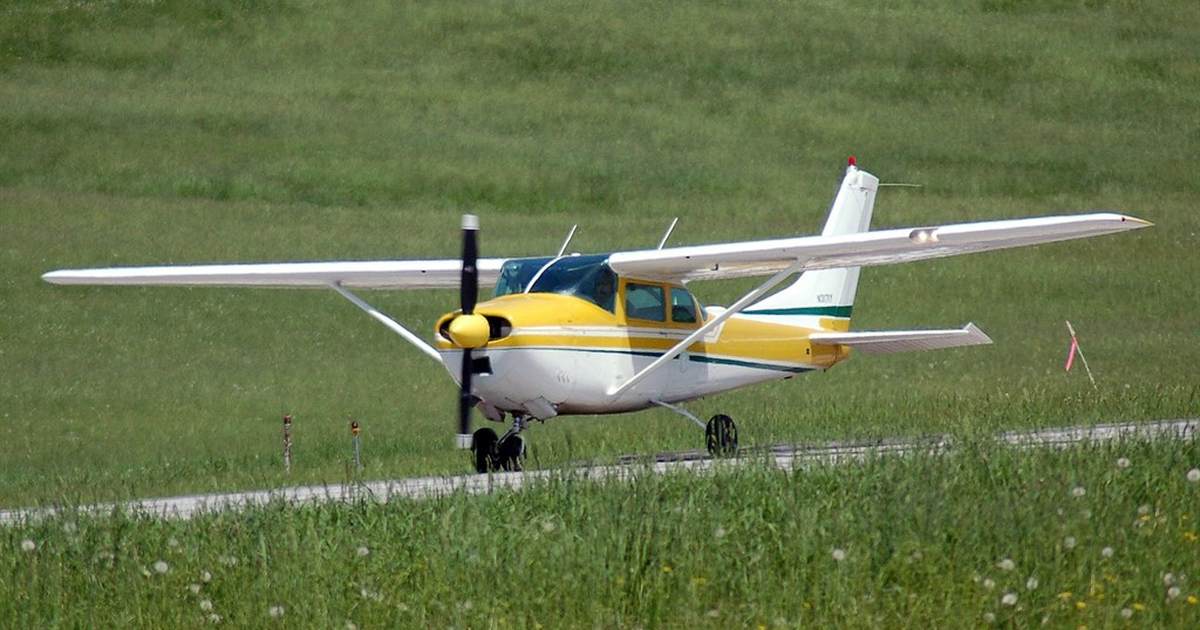
Authorities have not yet revealed why 42-year-old Leandro Andrés Bertazzo leaped to his death Saturday from the Cessna.
Eduardo Álvarez, director of the Flying Parrot Córdoba flying school where Bertazzo worked, told TN they only recently learned that the flight instructor had been under psychiatric care and that he had no clue Bertazzo was planning to kill himself.
In fact, Álvarez said, Bertazzo had gone on a training flight with another student earlier that day.
“He made this tragic decision aboard an aircraft with one other person by his side,” Álvarez said in the interview. “There’s no way to think about it or understand it, but the human mind is so complex, so treacherous.”
As for the student pilot, Álvarez said, she was “very clear, decisive, mature and professional.”
“She was very shaken, but with complete professionalism, she piloted the plane to the airfield and landed perfectly,” he said. “She maintained a very high level of training and professionalism.”
The flying school director later revealed the instructor had been under psychiatric care, a detail that surprised colleagues who had no indication he planned anything like this. The same director noted Bertazzo had flown earlier in the day with another student, which adds to the baffling nature of the choice he made on this flight. Investigators will want a full timeline of his movements and any medical records that can legally be reviewed.
Emergency procedures in small aircraft rely heavily on the presence and competence of whoever is at the controls. Instructors are trained to hand over authority gradually and to intervene when a student struggles, but this case flipped that script in a way most pilots never expect to face. The student’s prior license meant she already understood how to manage the plane, communicate with airfields, and prioritize a safe landing under duress.
Officials with the Federal Court of Córdoba are handling the investigation, and the aircraft has been taken into custody for examination. Forensic work on the plane and review of air traffic and radio logs will be part of assembling a clear account. The goal is to understand not only the immediate sequence of events but also whether anything systemic contributed to the tragedy.
People who train others to fly shoulder a lot of responsibility, and when mental health issues are involved the risk picture changes. Colleagues expressed shock after learning about the instructor’s psychiatric treatment, saying they had no warning he was contemplating suicide. That contrast—professional routine on the surface and private struggle beneath—adds a painful layer to an already stark story.
The student’s reaction drew praise for staying composed and completing the landing. Officials described her actions as decisive and professional, noting how unusual it is to witness someone perform so effectively while clearly shaken. Her ability to manage the plane underscores why licensing and solid training matter, especially when the unexpected happens in the air.
Investigators will continue to piece together what led to the instructor’s final act and why it unfolded over a training flight. For now, the facts are limited but chilling: a trained instructor chose to exit a Cessna in flight after telling the student to continue, leaving a single, licensed pilot to bring the aircraft back to the ground. The legal and medical reviews underway should clarify the full story as evidence is collected and analyzed.