The Fifth Circuit blocked Texas from granting in-state college rates under the state Dream Act, ruling federal immigration law takes precedence and forcing universities to treat affected students as out-of-state for tuition purposes.
The Fifth Circuit Court of Appeals has issued a major ruling that prevents Texas from extending in-state college tuition to undocumented students under the state’s Dream Act. The court found that the state law conflicts with federal law and is therefore preempted by the Supremacy Clause. That legal conclusion immediately changes how the state can offer residency-based tuition benefits.
The practical effect is straightforward: students who had qualified for in-state tuition under the Texas law will likely be reclassified as out-of-state, with tuition bills rising dramatically for families. In-state rates are typically a fraction of out-of-state costs, so the financial impact is significant and immediate for those students and institutions. Universities across Texas will need to update residency records and billing systems to comply with the ruling.
The Texas Dream Act was passed in 2001 to allow certain undocumented students to pay in-state tuition if they met requirements such as attending and graduating from a Texas high school. The Fifth Circuit determined the law functions as a residence-based benefit that is not equally available to residents of other states, creating a conflict with federal law. That distinction — monetary assistance tied to residence — was central to the court’s analysis.
https://x.com/EricLDaugh/status/2075330892600332716
In June 2025 the U.S. Department of Justice filed a federal lawsuit aimed at overturning the in-state tuition provision, arguing that immigration policy and related benefits are matters of federal authority. Texas’ attorney general later filed a joint motion with the DOJ asking the court to declare the state law unconstitutional, aligning state and federal enforcement positions. The coordinated filings signaled how seriously both governments treated the legal question.
On Thursday the court issued a 2-1 decision declaring the Dream Act unconstitutional. The majority opinion emphasized that the tuition break is not just symbolic status but a concrete financial subsidy that conflicts with federal statutes. That narrow but decisive framing made the ruling legally potent and ripe for follow-up litigation.
“In-state tuition is about one-tenth the amount of out-of-state tuition and represents a monetary form of assistance, not merely a hollow status,” Judge Jerry Smith, a Reagan-appointee, wrote in the majority opinion.
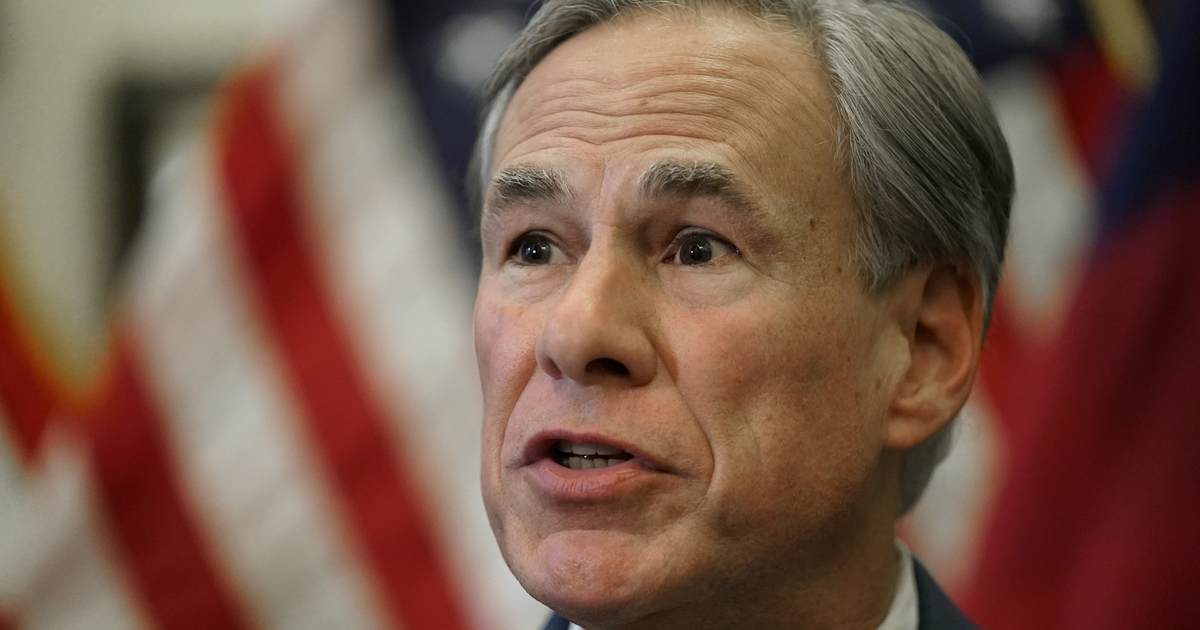
“Texas and the Trump DOJ just secured another major victory for the rule of law,” Governor Greg Abbott of Texas wrote in a statement on X. “The Fifth Circuit upheld the END of in-state tuition for illegal immigrants in Texas.”
The ruling is likely to spur similar legal challenges in other states that have adopted comparable in-state tuition schemes for undocumented students. Where state statutes create benefits tied to residence, federal preemption arguments now have a stronger foothold in appellate precedent. Expect both plaintiffs and states to reexamine their policies and litigation strategies in light of this decision.
Beyond the courtroom, the decision forces universities and state education agencies to wrestle with logistics and budgets. Institutions that had factored those lower tuition rates into financial planning now face revenue shifts and compliance deadlines. Administrators will need to communicate changes to affected students while managing the sudden fiscal adjustments.
From a policy viewpoint, the ruling reinforces the principle that immigration benefits fall within the federal sphere, not state discretion. For those who prioritize strict enforcement and uniform national standards, the outcome confirms that states cannot unilaterally override federal immigration policy through benefits tied to residency. The legal landscape will keep evolving as parties consider appeals and potential Supreme Court review.