U.S. intelligence received fresh warnings that Iran is plotting another assassination attempt aimed at President Trump, with Israel reportedly sharing details that have raised tensions as recent American strikes on Iranian targets continue.
Reports say Tehran has developed a new plot focused on President Trump, and Israeli officials passed intelligence to Washington suggesting the threat is active. That sharing reflects deep cooperation between U.S. and Israeli services at a time when the region is volatile. The news arrives amid ongoing American operations against Iranian positions, which critics say both deter and inflame the situation.
Israel’s briefing to U.S. counterparts came as American strikes targeted Iranian assets over several days, heightening the prospect of renewed confrontation. Those strikes have already strained a fragile ceasefire and made coordination with allies essential. Officials briefed on the matter describe the intelligence as serious, though not all details are public.
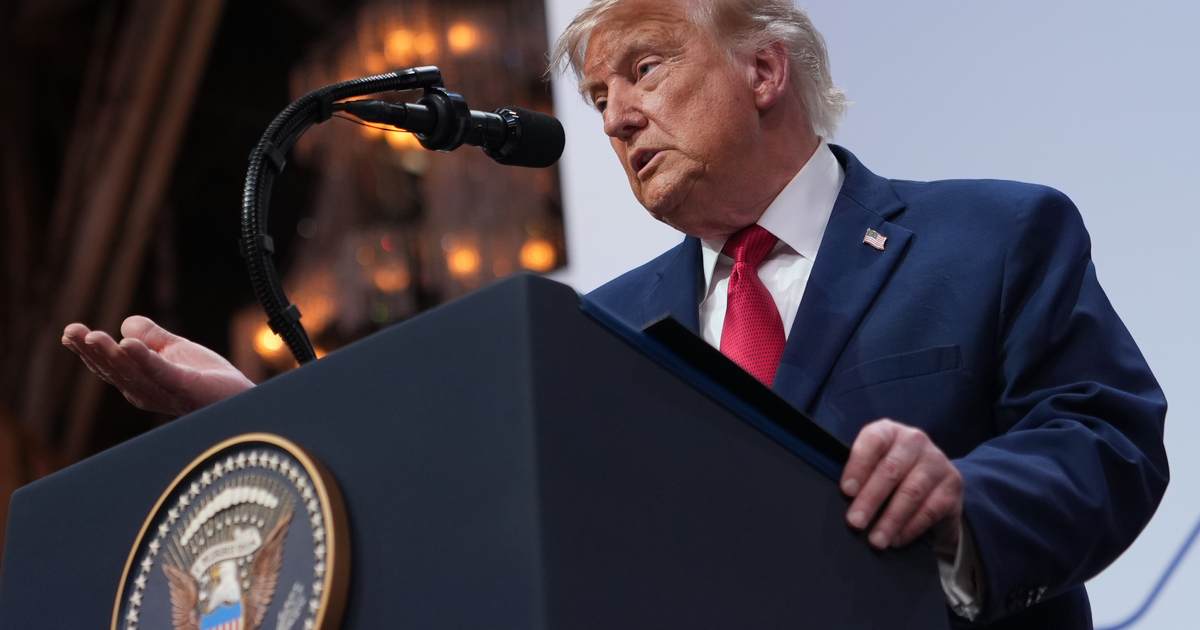
“They want to take out the U.S. leader—me,” President Trump told reporters in Turkey during a multi-day NATO summit. “I’m on every list. I saw this morning, I’m on every single one of their lists. And so far, I guess I’ve been a little bit lucky, but that maybe doesn’t last very long.”
https://x.com/EricLDaugh/status/2075362436635340922
The revelation surfaced just hours after a phone call between President Trump and Israeli Prime Minister Benjamin Netanyahu, during which both leaders emphasized close coordination. “As part of the continuous contact between Prime Minister Benjamin Netanyahu and US President Donald Trump, an additional conversation took place this evening between the two, during which the continued coordination between the countries in various sectors was established. President Trump updated the Prime Minister on American moves in the Gulf,” a statement from the Prime Minister of Israel’s official X account read. “The Prime Minister, on his part, raised the severity of the statements made by Turkish President Recep Tayyip Erdogan and his people against the existence of the State of Israel, as well as the need for security zones along Israel’s borders.”
No formal confirmation has come from U.S. or Iranian spokespeople about this specific assassination plan, and intelligence assessments often evolve as agencies verify sources. Still, the pattern of threats and recent strikes is clear enough to demand serious attention from policymakers. From a Republican perspective, that means standing firm, protecting the president, and using all legal means to deter state-sponsored terrorism.
The backdrop is a region where proxy networks, covert operations, and state-directed plots are part of the playbook Tehran has used for decades. The United States, working with Israeli partners, has collected and shared intelligence precisely to disrupt those networks before they can act. This kind of cooperation is how sensitive threats are often neutralized well before they hit the headlines, though the public sometimes learns of the effort only after things escalate.
For supporters of a robust national defense, the intelligence-sharing episode underlines the need for a clear, decisive posture. It also reinforces the argument that credible deterrence requires both visibility and action: credible retaliation or disruption tools, hardened protective details, and relentless surveillance on hostile actors. Those who argue for restraint should not ignore the risk that inaction can embolden adversaries to take more dangerous steps.
The reported plot also raises practical questions about presidential security and the balance between transparency and operational secrecy. Public leaders must be frank about threats without revealing methods or hampering ongoing operations, and allies must coordinate carefully when sharing sensitive information. Effective defense is as much about disciplined information handling as it is about tactical responses.
Looking ahead, U.S. intelligence agencies and their partners will be watching Iranian signals, movements, and communications closely, while protective measures around senior officials remain a top priority. The next moves will come from a mix of covert disruption, diplomatic pressure, and, when necessary, calibrated military action. Whatever unfolds, the situation shows why strong alliances and vigilant intelligence work are not optional in an era of state-sponsored threats and asymmetric warfare.