California Democrats just passed a recycling measure that shifts packaging costs onto producers, and consumers in the state are likely to see those higher bills at the grocery checkout.
California lawmakers approved a sweeping recycling law that makes manufacturers financially responsible for packaging waste, and the political fallout is already obvious. The policy intends to curb landfill trash but puts direct charges on businesses for the packaging they sell. Those added fees will not disappear; they will get folded into product prices people pay every week.
On principle, Democrats claim this shifts the burden from taxpayers to companies, but the immediate reality is different. Businesses face new impact fees and requirements to phase out non-recyclable packaging within set timelines. When costs rise for producers, retailers, and distributors, shoppers face the obvious consequence: higher grocery bills.
People who live paycheck to paycheck will feel the effect first, which makes the politics here raw and personal. Industries that rely on current packaging—dairy makers among them—warn they will be hit hardest. Some producers say they might close facilities or relocate to avoid the new expense and regulatory complexity.
Democratic leaders argue the law advances environmental goals and long-term savings, but the math on immediate household impact is unsettling. State estimates project added household spending, though critics say those figures are low. Californians already struggle with housing, taxes, and energy costs, and this adds another line item to monthly household budgets.
https://x.com/californiapost/status/2076363733182333127
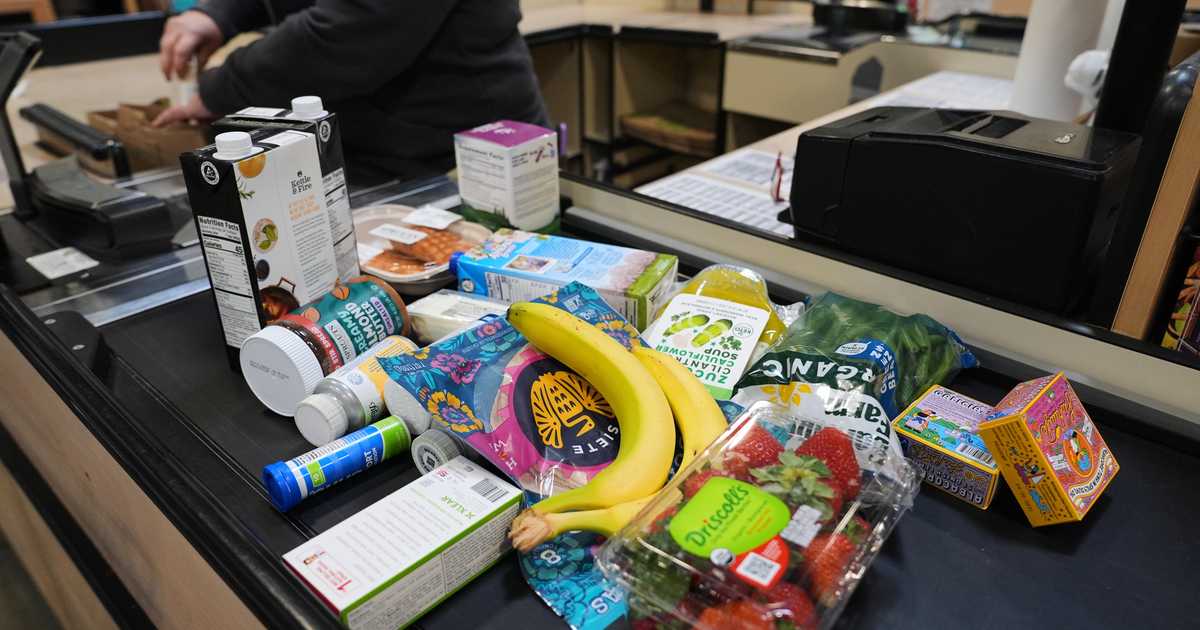
California shoppers could soon be paying even more at the checkout line as a sweeping new state recycling measure threatens to send grocery prices soaring, with dairy manufacturers warning some businesses may be forced to shut down or flee the Golden State.
Senate Bill 54 is now entering its first phase of implementation, with companies expected to receive their first bills as early as next month, reported SFGATE.
The measure aims to reduce landfill waste by making manufacturers financially responsible for the packaging they sell after it is thrown away.
It charges companies impact fees on products they sell while also requiring them to phase out packaging that cannot be adequately reused, recycled or composted.
The dairy industry says it stands to be among the hardest hit because many of its products rely on packaging that does not currently meet the measure’s requirements.
CalRecycle, however, estimates the impact will be far smaller, projecting households will pay between $57 and $190 more annually based on data from the California Department of Finance.
Supporters say those added costs are outweighed by shifting the financial burden of packaging waste from taxpayers to the companies that produce it.
Those official projections are not reassuring for many voters who already feel squeezed. Critics say the estimates rely on assumptions that ignore how markets behave once a large state imposes new, recurring charges. History shows businesses often pass those costs straight to consumers rather than absorb them.
We are skeptical the state’s cost models capture the real-world effects on small and medium businesses. When compliance costs rise, supply chains fray and margins tighten. That pressure can mean fewer choices on store shelves and higher price tags for staple goods.
Conservative voices warn this is another example of well-intentioned policy creating economic pain. They argue rule-heavy solutions rarely account for unintended consequences or the uneven burdens they place on working families. In practice, regulations like this reshape markets, not just behavior.
You get the government you vote for, sometimes good and hard. That reality is straightforward and applies in big states like California where policy choices ripple across millions of households. Voters should weigh costs and benefits carefully before endorsing pricey, complex fixes.
Of course it is. Critics point to rising costs, scarce resources, and public safety concerns as evidence of broader governance issues. The debate over environmental stewardship versus economic strain is not new, but this law raises the stakes in very tangible ways for families at grocery checkout lines.
“It charges companies impact fees on products they sell while also requiring them to phase out packaging that cannot be adequately reused, recycled or composted.”The cost will be passed onto the customer. Another winner from CA governance,” Bateman wrote.
Opponents say the law’s architects seem indifferent to how ordinary people will pay for these policy experiments. That perceived indifference fuels political resentment and drives a practical argument about accountability. If a policy raises prices, voters will remember who supported it.
There will be fierce lobbying and litigation as industries push back and seek exemptions or delays. Lawmakers who backed the measure will face pressure to explain their forecasts versus what families actually pay. Meanwhile, consumers will adjust buying patterns, seek alternatives, or vote with their feet.
Local leaders and business owners must prepare for the rollout while residents watch their grocery budgets tighten. The sooner people understand the law’s mechanics, the clearer the political and economic choices become. This is a moment to track outcomes and hold officials accountable for promises versus results.