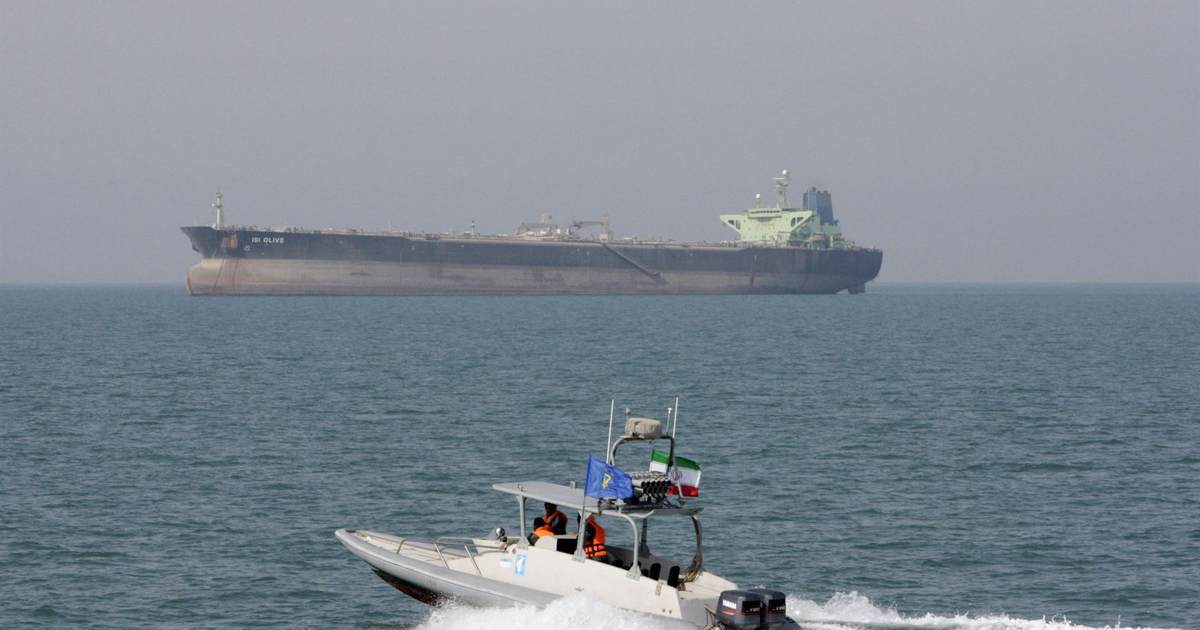
Reports say Iran struck multiple tankers in the Strait of Hormuz, killing three sailors and wounding others, with a separate UK-reported hit nearby; the incidents come as the U.S. ramps up operations and President Donald Trump has signaled a major action.
Reports have surfaced stating that multiple tankers traveling through the Strait of Hormuz have been struck by Iranian drones or missiles. Initial accounts indicate crew members were both injured and killed in the strikes, and confusion remains as investigators try to confirm details.
So far, three incidents have been reported. The most devastating has come from two national tankers from the United Arab Emirates, where three total crew members have been killed across two vessels. Another 14 are reportedly injured, four of which are said to be “serious.” Among the dead are one Indian and two Ukrainian nationals.
https://x.com/sentdefender/status/2076794493622182114
A separate attack was reported by United Kingdom authorities, who claim that a tanker was struck by “an unknown projectile” near the ship’s engine room. Despite the damage to the ship, all crew members on that vessel are reportedly safe, according to the UK notice.
The new wave of attacks comes on the heels of a renewed air campaign against the Islamic Republic of Iran by the United States. President Donald Trump has stated that a significant undertaking by U.S. forces will be underway tonight through tomorrow in what could be the most significant development in the conflict since the signing of a peace deal nearly one month ago.
From a conservative viewpoint, these strikes are further proof that Iran remains a direct and dangerous actor in the region, willing to threaten global commerce and the lives of seafarers. U.S. readiness and a clear, forceful response are necessary to deter repeated attacks on neutral shipping and allied-flagged vessels.
The Strait of Hormuz is one of the world’s busiest chokepoints, and any hostile action there can ripple through global energy markets and supply chains. Keeping that passage open and protected is not just a military priority but an economic one, and it demands clear rules of engagement and swift intelligence sharing with partners.
Casualties reported in these strikes are a stark reminder of the human toll behind geopolitical moves and media headlines. Families lost loved ones, and injured crew members face recovery and uncertainty, which should shape the policy response and accountability efforts.
Investigations will need to establish means, motive and responsibility for each incident, while naval and commercial operators increase precautions. Officials, allies and commercial firms will be watching for attribution, forensic assessments and any confirmed links to the Iranian military or proxy forces.
For now, officials have released limited public detail and some reports remain preliminary as evidence is gathered and verified. The unfolding events will test U.S. resolve, allied coordination and the will of international maritime institutions to protect neutral shipping in contested waters.