Democrats are scrambling to control outcomes, and their version of democracy looks a lot like centralized power with party elites calling the shots.
For months now Democrats have shown a pattern: when voters deliver results they dislike, party bosses step in and reverse the outcome. That playbook has been on display from state ballots to national contests, and it has left a lot of people asking whose voice actually matters. The recent episode in Maine, where a nominee was displaced despite winning a primary, fits neatly into that pattern.
In 2024 the Democratic Party replaced a sitting president on the ticket with a running mate who had not competed in the primary, and more recently Maine voters saw their choice overturned in favor of a delegation decision. Those moves aren’t abstract; they tell voters that internal party calculations can override ballots. When the system bends to insiders, it erodes trust in elections and fuels cynicism across the electorate.
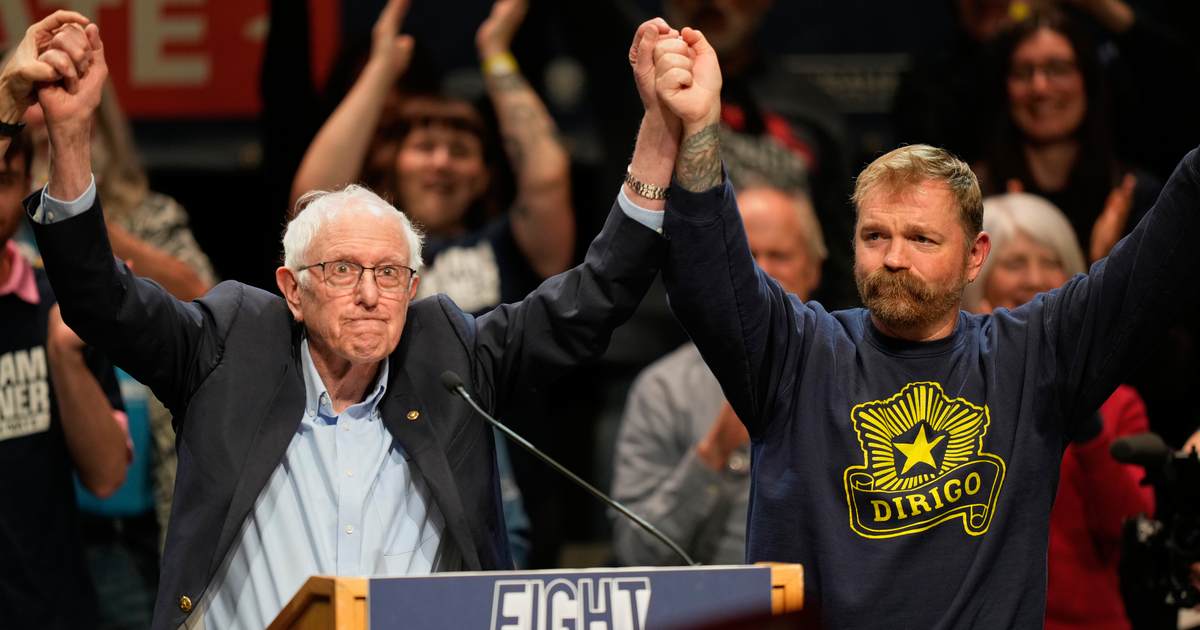
Bernie Sanders has called out his rivals while leading a faction that openly favors sweeping institutional changes, and his rhetoric often feels selective. “Yay, democracy.” is the sarcastic response many conservatives have when party elites discard popular choices and then lecture others about democratic norms. The broader left-wing agenda — from court packing to weakening the Senate — is pushing toward centralized authority rather than dispersed, accountable power.
The Democratic Socialists of America openly debates ideas like subordinating the Presidency and the Supreme Court to Congress, which reads less like a democratic reform and more like a power grab. Susan Rice warned that Democrats would weaponize government against those who failed to ‘resist’ President Trump, and that admission should make anyone uneasy about how political retribution could work in practice. Turning federal institutions into partisan instruments is exactly the kind of threat people feared when they warned about concentrated power.
There is a difference between vigorous partisan politics and institutional coercion, and the distinction matters. When one party controls gatekeeping — who can run, who stays on the ballot, and how nominees are chosen — the balance of power shifts away from voters and toward party managers. That creates incentives for punishment and loyalty tests instead of broad-based voter appeal.
That is why critics say the left’s agenda will be enforced, not argued for. Policy change through persuasion looks very different from policy change through centralized fiat, and we are seeing signs of the latter. When politics becomes about who can wield institutions against opponents, ordinary people lose out on stability in housing, education, and healthcare because those issues get caught up in vendettas and policy stunts.
Democrats often cast Republicans as authoritarian while pushing proposals that would restructure constitutional checks and balances. “Yes, it is.” are words you might hear in private conversations when someone acknowledges that the tactics in play amount to power consolidation. The rhetoric around ‘saving democracy’ has begun to sound like a cover for reshaping democracy on one party’s terms.
https://x.com/SenSanders/status/2076390414072860824?ref_src=twsrc%5Etfw
People on the right see a double standard: if voters choose someone outside the party elite, they can be dismissed as illegitimate, but when elites rearrange the rules, it becomes progress. “He’s (D)ifferent.” is an ironic shorthand critics use to describe how Democrats treat internal allies versus outsiders, with one rule for party insiders and another for everyone else. That inconsistency feeds distrust and intensifies polarization.
The left’s most vocal organizers sometimes speak in grand structural terms, but the details matter for ordinary citizens deciding where to live and how to raise families. Dismantling institutions without clear plans for accountability invites chaos and concentrated authority. When institutional reforms are driven by ideology rather than broad consensus, they tend to favor those who control the levers.
Conservatives argue that preserving constitutional guardrails protects liberty for everyone, including political minorities. Removing or hollowing out those guardrails invites a future where whoever holds the levers can reshape norms to their advantage. That’s why debates over court-packing, Senate rules, and congressional supremacy are not academic — they determine whether power stays diffuse or gets consolidated.
Historical examples warn about the dangers of centralized, unaccountable power, and critics on the right often point to figures who advocated abolition of prisons or other radical reforms as evidence of extreme tendencies. Angela Davis and similar activists have at times shown a willingness to ignore persecution when it suits an ideological narrative, and critics use those episodes to argue that unfettered power in the hands of radical movements can become repressive.
That background explains why conservative voters react strongly when party elites override primaries and nominations. It isn’t merely about a single contest; it’s about the precedent set when parties substitute internal decisions for ballot outcomes. Restoring faith in the process means respecting voters and ensuring rules aren’t bent to protect or punish political insiders.
Editor’s Note: The 2026 Midterms will determine the fate of President Trump’s America First agenda. Republicans must maintain control of both chambers of Congress.