A new analysis says New York City is hemorrhaging wealth as wealthy residents leave in response to aggressive tax policies from Mayor Zohran Mamdani, and the city is already feeling the fiscal pain.
At the end of June a study warned that New York City could lose billions due to Democratic Socialist Mayor Zohran Mamdani’s tax-the-rich approach. The first pied-à-terre tax notices went out recently, and rents that Mamdani had promised to freeze have instead climbed to record highs. That perfect storm is forcing millionaires to reconsider living in a city that’s becoming openly hostile to wealth.
Another analysis now argues the damage is already happening, with estimates pointing to roughly $11 billion in lost tax revenue in a single year as the city’s share of U.S. millionaires shrank. High earners and their businesses are leaving, shrinking the tax base that underpins New York’s budgets. The result is an immediate squeeze on revenue just when services are being promised and costs are rising.
Here’s more:
https://x.com/EricLDaugh/status/2076802920260215190
New York’s share of US millionaires dramatically declined in recent years, causing a nearly $11 billion loss in much-needed tax revenue in just one year, according to a bombshell new analysis.
The study released Monday by the Citizen Budget Commisison comes amid fears that socialist Mayor Zohran Mamdani’s push to “tax the rich” will drive even more wealthy taxpayers and their businesses out of New York City.
Even before Mamdani took office, the Empire State’s share of the nation’s millionaires dipped from 12.7% to 8.7% between 2010 and 2022 – the largest decline of any state, according to the CBC’s Competitive NYS: Value Proposition Tracker dashboard.
“New York’s declining share of high-income taxpayers has meaningful consequences,” the analysis states.
This pattern is familiar: politicians promise to squeeze the wealthy and then act surprised when wealthy people move their homes, businesses, and tax dollars to friendlier states. The short-term headline gains from a new tax look satisfying, but the long-term effect is a hollowed-out tax base. Cities that push capital away often end up short on money for the very services residents want.
When the wealthy leave, tax receipts drop and social programs face funding shortfalls. That creates pressure to raise taxes again or cut services, neither of which helps people who rely on stable city programs. In the end, the city ends up worse off than before the crusade began.
Mamdani has defended the approach as fairness: asking the richest to pay more so the rest can get by. Critics see it differently, arguing the so-called fairness test is driving out the people who fund city services and support businesses that employ thousands. That debate is now playing out with immediate fiscal consequences for New York.
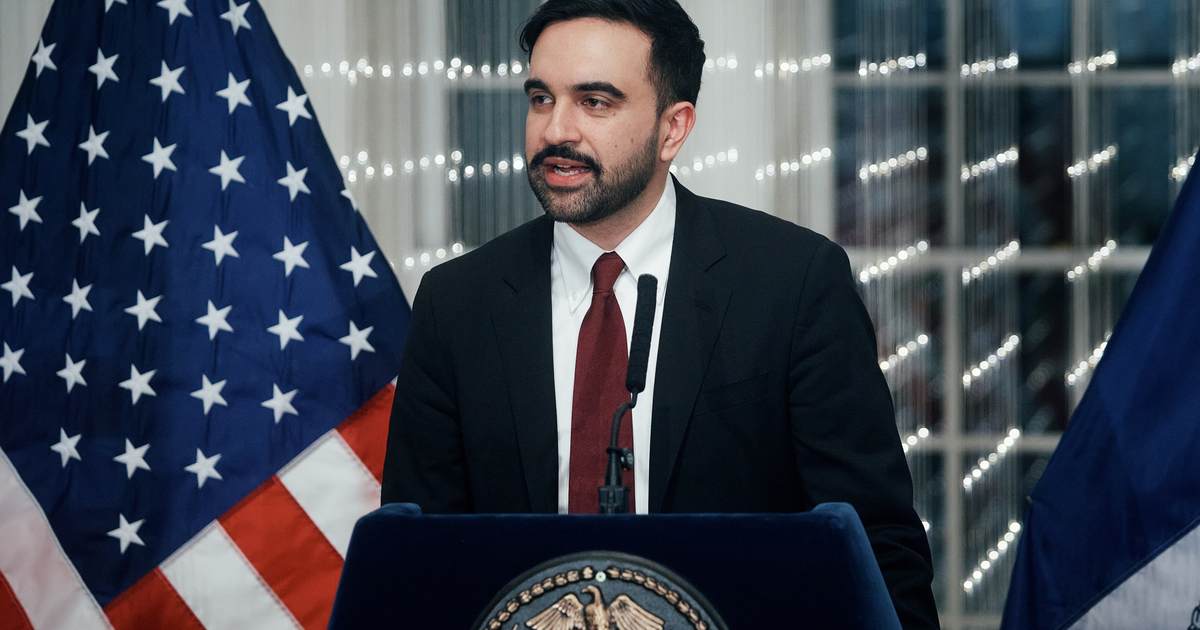
“I’ve been very clear about the fact that we live in the wealthiest city in the wealthiest country in the world, and it’s unacceptable that one in four New Yorkers are living in poverty,” Mamdani said. “We believe the wealthiest can do a little bit more to make sure that everyone can afford to live here, and the little bit more, you know, when we’re talking about a pied-à-terre tax on non-resident New Yorkers’ secondary homes that are worth more than $5 million. I think that that’s common sense, I think most New Yorkers feel the same way, and I look forward to continuing to advance a vision of our city that has room for everyone.”
Except for Little Italy, right? That neighborhood-level skepticism captures a bigger point: policy rhetoric about fairness can look very different when it reshapes neighborhoods, small businesses, and cultural life. People notice when policies drive away the customers, donors, and investors who make the city hum.
Mamdani reportedly told state leaders that communism “fixed” the city’s budget gaps, an assertion that did not play out on the ledger. Albany stepped in to bail out the city while pension payments were pushed down the road, creating more fiscal questions for the future. Those fixes buy time but rarely solve the structural issues that caused the shortfall.
Would not be surprised if this was the plan.
And you always run out of other people’s money. When the donors and taxpayers leave, the bills don’t disappear; they just become harder to pay.
Editor’s Note: New York City is now facing the consequences of Mayor Zohran Mamdani’s socialist takeover.