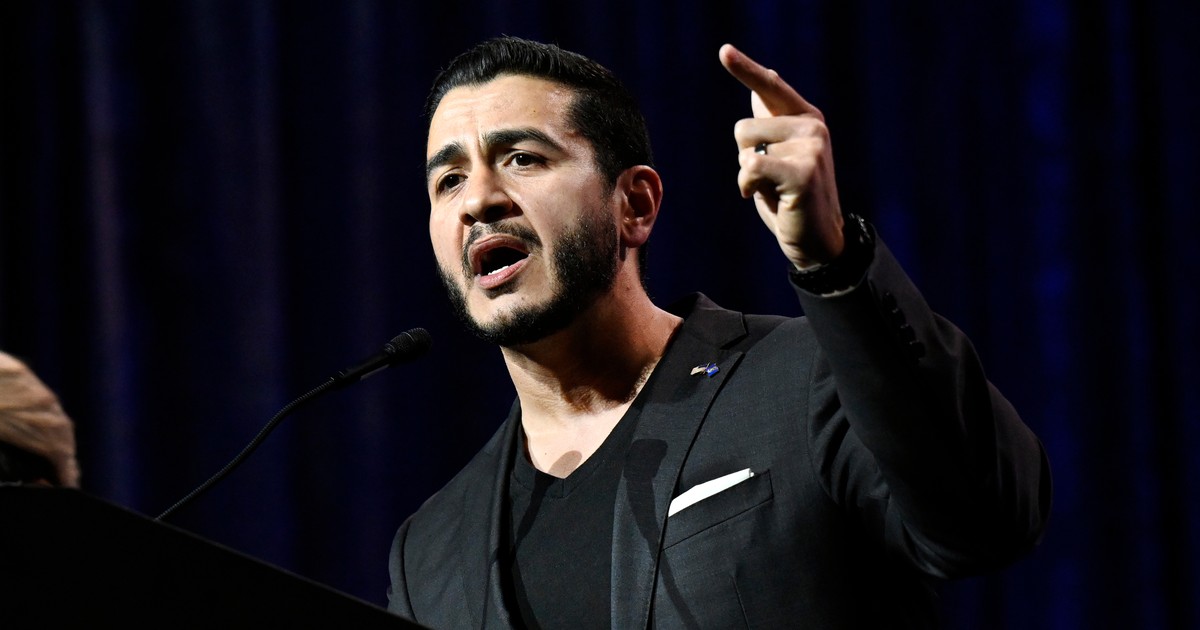
Abdul El-Sayed backs a Medicare-for-All plan that would cover people “from cradle to grave,” while his wife, psychiatrist Sarah Jukaku, has chosen a private practice model that does not bill Medicare or accept insurance, leaving patients to pay out of pocket or chase reimbursements.
— I Meme Therefore I Am 🇺🇸 (@ImMeme0)
Sara Jukaku practices psychiatry in Ann Arbor, Michigan and runs a private clinic called Mind Work Psychiatry after leaving an academic post. She earned a medical degree from Columbia University and a masters from the University of Oxford, and previously served as co-chief of psychiatry at University of Michigan Health.
https://x.com/FreeBeacon/status/2076661976952864920
She opened her private practice in 2024 and, according to records, “the following March” she opted out of Medicare, which means she cannot bill the program and requires Medicare patients to pay directly. That choice puts her outside the reimbursement system El-Sayed wants to nationalize, and it raises a straightforward question about elite exceptions.
Left-wing Michigan Senate candidate Abdul El-Sayed supports universal health care through a single-payer “Medicare for All” system that would cover every American “from cradle to grave.” His wife, psychiatrist Sarah Jukaku, does not take Medicare or any other insurance plan, forcing her patients to pay out of pocket for the services they receive. She also appears to have scrubbed a portion of the “Frequently Asked Questions” page on her website making clear that she does not accept insurance.
Jukaku, who has a medical degree from Columbia University and a masters from the University of Oxford, worked as co-chief of psychiatry at University of Michigan Health—which does accept Medicare—before starting her own Ann Arbor, Mich.-based practice, Mind Work Psychiatry, in 2024. The following March, Jukaku opted out of Medicare, records show, meaning she cannot bill the program and requires Medicare patients to pay out of pocket. The same goes for patients with private insurance plans, though they can often submit bills to their providers and recoup some of the costs.
University of Michigan Health accepted Medicare. When Jukaku left, she opted out of her private practice from the program and can’t bill Medicare until at least 2027. That status forces seniors to cover services up front or navigate claims processes that are slow and often unrewarding.
Patients with private insurance who have out-of-network benefits can submit those bills to their carriers, but only after satisfying expensive deductibles and out-of-pocket maximums. In practice, that means many patients who thought they were covered will face surprise bills and added financial strain when they see a doctor who refuses to file claims.
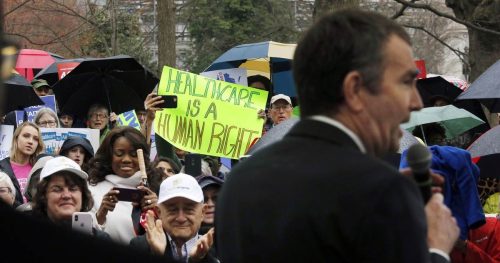
El-Sayed has said plainly that “your healthcare shouldn’t depend on who signs your paycheck” and that “we can and must guarantee healthcare from cradle to grave.” Those are strong, populist lines that resonate with voters worried about cost and access, but they run headlong into the optics of a candidate whose immediate family seems to operate under a different set of rules.
There is a simmering conservative argument here about hypocrisy and privilege: politicians can sell sweeping solutions while their inner circle opts out of the systems they advocate, either by design or convenience. When top proponents and their families avoid the programs they propose, people rightly ask whether those programs will actually be enforced the same for everyone.
The broader Republican warning is policy-driven: government-run single-payer systems often lead to rationing, longer waits, and diminished incentives for innovation and quality. Critics point to entitlement programs elsewhere and say promises of universal care can be a bait-and-switch if elites and connected insiders receive preferred access or carve-outs.
For voters, the practical test is simple. Will lawmakers and their families participate in the same system they demand for everyone else? If not, that gap is not just about optics; it speaks to the seriousness of the proposal and whether it protects the average American from lower-quality care or bureaucratic failures.
Reports also note that portions of Jukaku’s website once addressed insurance directly and now appear altered, which only deepens skepticism among those who expected transparency. The political fallout isn’t just about one practice or one candidacy — it’s about whether sweeping healthcare proposals will be applied equally or selectively.
Conservative commentators expect this story to be used as a cautionary example when debating public options versus private markets, and they will press the case that patient choice and competition still matter. The details about billing, Medicare opt-out rules, and deductible traps matter to real people who need reliable access to care without unexpected bills or delays.
At the end of the day, voters should judge both the policy pitch and the personal practices of those who promote it, because people who want to rewrite the rules for everyone ought to be willing to live under those same rules. The questions raised here about exemptions, access, and the role of elites in a nationalized system are not idle—they go to the core of who benefits and who pays.