An ICE-involved shooting in Biddeford, Maine, left a man dead after federal agents say a vehicle tried to flee and drove toward officers during a stop. Local witnesses, law enforcement statements, and federal releases have given a sketch of what happened, but questions about timing and oversight remain. The incident brings the law enforcement realities at the border and in communities into sharp focus.
There was a shooting involving federal immigration officers in Maine yesterday, and initial details were sparse while the story broke. Amy reported the story first, and the community learned that the event happened in Biddeford. Officials say the suspect was shot and killed after he allegedly tried to run over Immigration and Customs Enforcement agents, and the deceased was named Joan Sebastian Guerrero (via Portland Press Herald):
A federal immigration agent shot and killed a man in Biddeford just after 7 a.m. Monday morning after he allegedly drove “in the direction of the officer” as he tried to flee, according to the Office of the Maine Attorney General.
https://x.com/PollTracker2024/status/2076776417900056863
Immigration and Customs Enforcement issued a statement Monday night just before 7 p.m., confirming the shooting nearly 12 hours after it happened. The U.S. Department of Homeland Security has not commented.
Biddeford police said their department’s involvement was limited to providing security at the scene. No one has confirmed who the officer is. The Maine AG’s office said he would be placed on leave.
[…]
The man killed was Joan Sebastian Guerrero, a 26-year-old father from Colombia, a neighbor identified and immigrant advocates confirmed. Here’s what we know about him so far.
Guerrero was not the intended target of the arrest warrant, officials say.
Witnesses described seeing the victim bleeding as he was pulled out of his vehicle, telling agents ‘I tried to stop,’ and bystanders shouting at agents, including believed family members of the victim.
Federal and local agencies have offered a basic timeline, but some pieces still need filling in. ICE confirmed late in the day that it had been conducting targeted surveillance at an address tied to a person with a final order of removal. That admission matters, because it shows federal agents were acting on a court or administrative order when the encounter happened.
The public also noticed the timing: ICE waited nearly 12 hours to release a statement, and the Department of Homeland Security did not immediately comment. Delays like that raise sensible questions about transparency and about how agencies communicate with the communities they operate in.
The official DHS account added more detail on the operational side, and the agency has said oversight entities were notified. The Department of Homeland Security has more:
On July 13, 2026, at approximately 7:00 AM ET, ICE was conducting targeted surveillance on the last known address of an illegal alien with a final order of removal. An illegal alien departed the residence in a vehicle. ICE law enforcement attempted to conduct a vehicle stop. The vehicle attempted to flee the scene and, fearing for public safety, an officer discharged his weapon.
The driver of the vehicle was struck, and emergency services were immediately contacted. He passed away from his injuries.
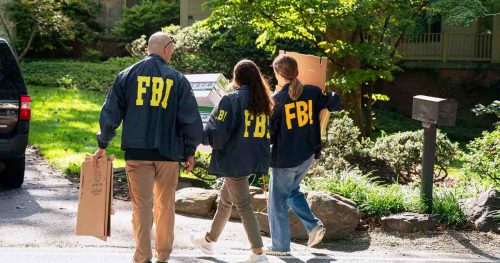
The Biddeford Police Department and FBI responded to the scene. DHS OIG has been notified and like all discharge of firearms this will be investigated. This is a developing situation, and we will update the public when more information is available.
[…]
An illegal alien departed the residence in a vehicle. ICE law enforcement attempted to conduct a vehicle stop. The vehicle attempted to flee the scene and, fearing for public safety, an officer discharged his weapon.
Witness reports line up with the federal narrative in key respects: bystanders say the driver was ordered to stop multiple times, then chose to flee. An eyewitness account provided on the scene corroborates that agents repeatedly told the driver to stop, that he did not comply, and that the vehicle moved toward officers.
From a law-and-order perspective, the basic point is unavoidable: officers were performing a lawful stop tied to deportation enforcement, and they faced a vehicle that tried to escape. When a vehicle is used against officers, the risk to the public and to agents spikes in an instant, and split-second decisions follow.
This case also highlights the larger problem of illegal immigration and the criminal consequences that can flow from it. These individuals broke the law by remaining here without authority, and they raised that risk further by resisting a lawful enforcement action. Communities and officers end up paying the price when that happens.
Oversight will have its role: the Maine attorney general’s office and federal inspectors will review the shooting, and any officer-involved discharge should be examined thoroughly. Still, the core expectation remains simple and blunt—don’t run over police, and respect lawful orders when they are given.