New York’s pause on data center construction has sparked a sharp debate about energy, security, and America’s race with China.
New York Governor Kathy Hochul issued the nation’s first moratorium on data centers, halting approvals for a year to give lawmakers time to craft rules. The move immediately drew fierce criticism from those who see data center capacity as vital to national competitiveness. Critics argue the pause will slow deployment of the infrastructure needed for large-scale artificial intelligence. Supporters insist it protects communities and the environment from unchecked industrial growth.
The official announcement said new hyperscale facilities would be paused while a framework is developed to address permit approvals and environmental impacts. That description included concerns about power use and water needs for cooling the massive server farms that drive AI and cloud services. Lawmakers and industry representatives warned the pause could send investment to states with friendlier policies. The debate quickly shifted from environmental review to geopolitical consequence.
https://x.com/CBSMornings/status/2077060553155961256
New York is the first state in the nation to enact a moratorium on data centers, pausing construction on new facilities for one year.
An executive order by Gov. Kathy Hochul bans state lawmakers from approving environmental permits for hyperscale data centers. Hochul said Tuesday the pause will give lawmakers time to create a framework to protect residents and the environment.
Hyperscale data centers contain thousands of computer servers and typically use 50 or more megawatts of power, the equivalent of 50,000 homes, to operate. They also require a steady supply of water to keep cool.
The moratorium only applies to new projects, so ones that were previously approved will still go forward.
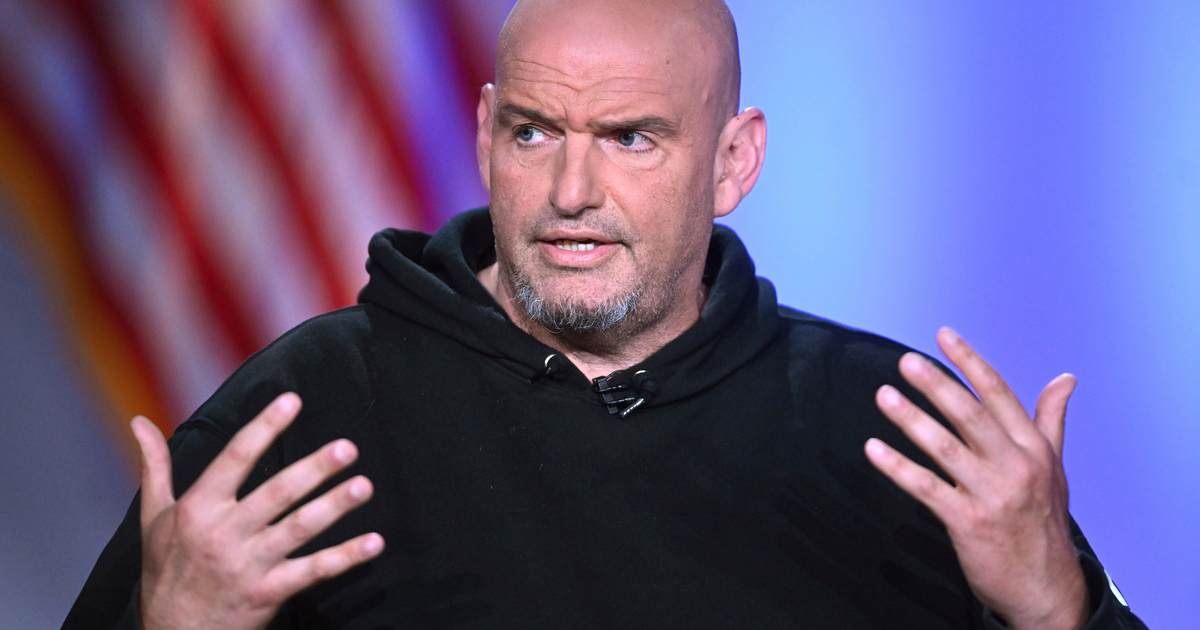
From a national security standpoint, the moratorium is worrisome to those who view data centers as strategic infrastructure. Capacity for high-performance computing underpins AI development, and some Republicans argue that slowing domestic buildout hands advantage to adversaries. This concern turned pointed when Pennsylvania Senator John Fetterman weighed in criticizing fellow Democrats. He delivered a blunt verdict about the political fallout.
John Fetterman had two words for Kathy Hochul and other Democrats applauding the moratorium: “China wins.” That exact phrase landed hard because it links local land-use policy to the larger contest over technology leadership. When prominent Democrats cheer restrictions that impede scale-up, it raises real questions about priorities in the AI race. Critics say ideological stances on industry regulation can create unintended strategic consequences.
Yes, it does. The shorthand sums up a real fear: if the United States slows permitting and buildout, other countries will fill the gap. China is already investing heavily in AI compute and infrastructure, and every delay at home gives foreign competitors room to expand. Building capacity requires foresight, not knee-jerk halts.
There are legitimate environmental and local concerns around power sourcing and water usage for hyperscale sites, which demand careful planning. Reasonable policy should balance community impact with national needs instead of choosing one at the cost of the other. Smart regulation would set standards, require mitigations, and keep projects competitive domestically. That middle path keeps innovation and security aligned.
But the political reality is messy, and the moratorium reveals sharp divides within the Democratic coalition about industrial policy. Some elected officials prioritize local resistance and environmental review, while others acknowledge the strategic need for infrastructure. The public debate is now about whether those priorities can be reconciled without undercutting American tech leadership. Voters and policymakers will watch where New York lands over the next year.
All of this plays against past controversies that heighten distrust about judgment and connections in state government. The detail that a former staffer described Hochul as more ‘obedient’ than Governor Cuomo kept the conversation personal as well as policy-driven. That line fed narratives about who is making decisions and why, and it amplified concerns about transparency. Political critics say these elements only deepen the stakes of a seemingly technical moratorium.
Fetterman’s break with his party underscores how national security and economic competitiveness can cut across partisan lines. Republicans will argue that this is a wake-up call to prioritize American capacity and resist policies that advantage rivals. The conversation in New York is now a test case for how the country balances local governance, environmental stewardship, and the urgent need to build infrastructure that keeps the United States competitive in AI and advanced computing.