This article details links between a man arrested in a major Medicaid fraud sweep and a well-connected political donor and adviser who has given money and access to high-profile New York Democrats.
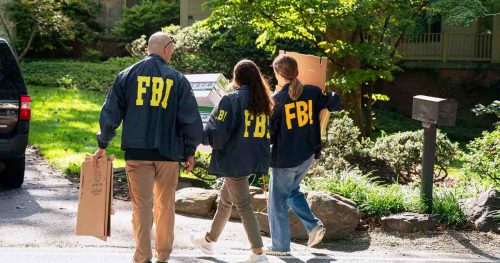
New York authorities recently moved on a sprawling Medicaid case tied to a $38 million alleged kickback operation that landed 78-year-old Pervez Siddiqui and others under arrest. Those developments put the spotlight on Ijaz Ahmad, a 50-year-old Pakistani-American cardiologist whose political giving and social access reach Mayor Zohran Mamdani and Governor Kathy Hochul. The arrests and the donor network raise sharp questions about who in New York politics is getting close to operators in the Medicaid sector.
Ijaz Ahmad is described publicly as a wealthy physician and “healthcare entrepreneur” who advises on building facilities that can pull in large Medicaid payments. He hosts fundraisers and dinners at his Old Westbury home and at upscale hotels, using those events to connect clients and allies with prominent elected officials. For Republicans watching this unfold, the optics are striking: donors who open doors to officials while tied to businesses that profit from taxpayer programs deserve scrutiny.
https://x.com/nypost/status/2077162534398771351
Ahmad runs the American Pakistani Public Affairs Committee Political Action Committee, set up in 2018 to “combat anti-Muslim rhetoric.” APPAC has directed money to national Democratic campaigns and to state officials, and it organized a post-2025 fundraiser after Mamdani’s victory that raised more than $260,000. That event reportedly helped secure Ahmad a seat at the mayor’s inauguration, and Siddiqui was among those who donated to the gathering.
Beyond the PAC, Ahmad has made personal contributions to powerful officials, including a $16,000 donation to New York State Attorney General Letitia James. Those ties matter because the Attorney General’s office has jurisdiction over Medicaid fraud enforcement, and federal oversight once paused support for the state’s Medicaid Fraud Control Unit. Ahmad also appears in photos with national Democrats, which makes the intersection of money, access, and vulnerable state programs uncomfortable for voters of any party.
Siddiqui, accused in the multimillion-dollar scheme, continued to attend events with Mamdani and other Democrats at Ahmad’s residence even after authorities raided several adult daycare centers tied to the probe. Those social connections — between accused operators and political fundraisers — are exactly the kind of entanglement that breeds distrust. Observers on the right say it looks like a pattern where political insiders and donors cozy up to people who profit from public programs.
Ahmad’s circle also includes people with criminal convictions tied to Medicaid schemes, including Zakia Khan, who was convicted of $68 million in Medicaid fraud. The presence of convicted actors alongside high-level donors and advisers further underlines the potential for a corrupted ecosystem where taxpayer money is siphoned off while political operatives shake hands at lavish events. That dynamic fuels calls for clearer walls between campaign access and those running taxpayer-funded enterprises.
Those who have worked around Ahmad describe him in blunt terms. Sources told reporters that “he has no personality and he does everything to get noticed. He uses his property and five-star hotels to host these political events.” That exact assessment captures a broader complaint: some donors treat political access as currency, and they trade that access while their clients run businesses dependent on state reimbursements.
APPAC also backed candidates endorsed by Mamdani in recent Democratic primaries, showing the group’s influence in local politics extends beyond single events. With allegations of a massive Medicaid scheme and photos of donors mingling with elected officials, Republicans argue state law enforcement and ethics officials owe voters a thorough review. For now, it remains unclear whether investigators will probe the depth of Ahmad’s political ties or whether elected officials who accepted access will face tougher questions.