The United States struck Iranian targets for a fourth straight night, hitting command centers, air defenses, missile and drone sites, and coastal surveillance installations while reports of an Israeli ground action inside Iran surfaced and President Trump announced the release of an American hostage who had been detained during the prior administration.
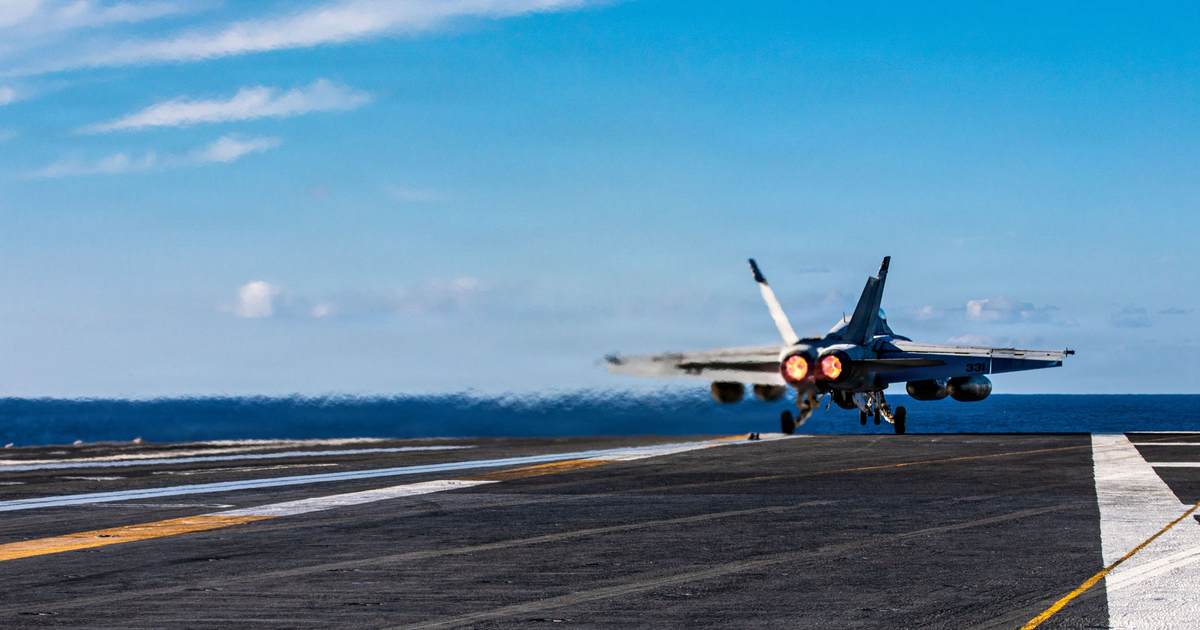
American forces carried out coordinated strikes across multiple Iranian locations, aiming to blunt Tehran’s ability to threaten shipping in the Strait of Hormuz and to degrade missile and drone networks. Military officials described deliberate, precision strikes on key nodes that support Iran’s regional campaigns. The operation marks a sustained use of force intended to deter further attacks on commercial traffic and U.S. interests.
“U.S. forces struck Iranian command centers, air defense sites, missile and drone capabilities, and coastal surveillance facilities to further degrade Iran’s ability to threaten innocent mariners crewing commercial vessels transiting the Strait of Hormuz,” U.S. Central Command wrote in a statement on X. “CENTCOM used precision munitions to hit targets in multiple locations including Bandar Abbas.”
https://x.com/FoxNews/status/2077576862511862014
“Earlier this morning, American forces struck coastal defense and cruise missile sites on Greater Tunb Island during a 90-minute wave. The U.S. military is holding Iran accountable at the Commander in Chief’s direction.”
There are also unconfirmed reports that Israeli special forces conducted a ground operation inside Iran, a development that, if true, would indicate coordinated pressure beyond aerial and naval strikes. Details remain scant and officials have offered little public confirmation, but the suggestion of a cross-border action raises the stakes. Such operations, real or rumored, force Tehran to account for threats on multiple fronts.
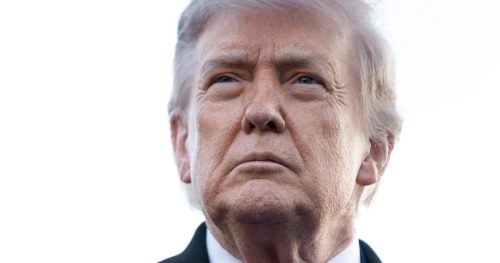
President Trump announced the release of an American who had been held by Iran since the previous administration, framing the development as proof that firm U.S. posture works. The president emphasized that securing the hostage was a priority and credited strong military pressure and diplomacy for the outcome. For many conservatives, the switch from talk to action on Iran is a long-awaited shift back to deterrence.
The strikes follow the breakdown of a memorandum of understanding that once limited confrontation in the region, and Mr. Trump declared that MOU “over” after Iran continued harassing and attacking ships. That collapse set the stage for the current campaign, which White House officials say will continue as long as Iranian aggression persists. Officials also say the goal is to restore safety for commercial mariners and regional stability without inviting a larger war.
Military leaders described the operation as precise and targeted, designed to degrade specific capabilities rather than launch mass destruction. By focusing on command centers, air defenses, and coastal surveillance, the goal is to blunt Iran’s ability to threaten shipping lanes and to complicate their ability to mass retaliatory strikes. This approach reflects an effort to impose costs while limiting civilian casualties and regional escalation.
Washington’s message is simple: attacks on free navigation and on American personnel will be met with forceful responses. The consistent strikes across successive nights show resolve and put Tehran on notice that permissive behavior will have consequences. Republicans see this as a restoration of deterrence after years of perceived weakness and mixed signals from previous administrations.
Iran’s diplomatic posture appears reactive. Reports suggest Iranian officials are seeking a way out of the confrontation and are signaling willingness to negotiate to avoid further damage to critical infrastructure and to stem mounting international pressure. For U.S. policymakers, negotiations will depend on real changes in behavior and verifiable steps to halt attacks on commercial shipping.
As the situation develops, the Trump administration stresses that military pressure can be paired with diplomatic options if Tehran makes concrete concessions. The immediate priority remains to protect vital sea lanes and American citizens, including those held captive. What comes next will be watched closely by allies and adversaries alike as the region adjusts to a more assertive U.S. posture.