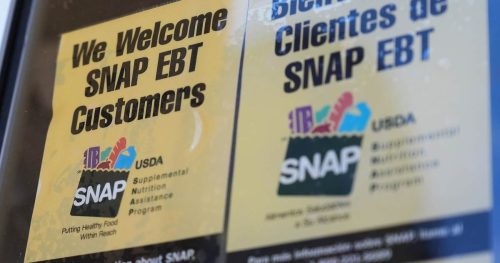
The administration is weighing a plan to require large financial bonds for some overseas green-card applicants as a way to ensure newcomers are economically self-sufficient before arriving in the United States.
Officials inside the State Department are developing a proposal that would require certain immigrant-visa applicants at U.S. consulates abroad to post a substantial bond — amounts discussed have reached $100,000 in some cases. The idea is that the bond would be held until the immigrant naturalizes, which typically takes at least five years, and would be returned only after that milestone. The policy is being pitched as a straightforward method to reduce the chance that newcomers become net recipients of public benefits.
The specifics are still in flux, and conversations among diplomats and policy staff have allowed for flexibility. Some officials have suggested the bond could be adjusted depending on the applicant’s background and the country where the application is processed. There is also talk of limited pilots in a handful of locations to test the approach before any wider rollout.
“President Trump has made clear that those who wish to immigrate to the United States must be financially self-sufficient,” State Department spokesperson Tommy Pigott said. That line captures the political rationale: proponents argue the U.S. should admit immigrants who can support themselves and contribute without burdening taxpayers. For policymakers who favor stricter immigration controls, an up-front financial guarantee is appealing because it shifts risk away from the public balance sheet.
https://x.com/DanielDiMartino/status/2077518108504346993
The proposal rests on a familiar conservative premise about immigration policy: legal entry should favor people likely to add to the economy rather than rely on public assistance. Decades ago, economist Milton Friedman argued that immigration functioned as a natural economic filter when social safety nets were minimal. With modern welfare systems in place, supporters say an explicit financial screen can recreate that historic test of self-reliance.
The mechanics would be straightforward in theory: an applicant posts a bond while their visa is processed, the bond stays secured until the immigrant reaches naturalization, and then the money is refunded. The state would use the bond to offset any public costs if the immigrant received means-tested benefits before becoming a citizen. Because naturalization usually requires permanent residence for five years, the bond would typically remain in effect for that period.
There are practical concerns that will shape the debate. Requiring six-figure bonds raises questions about who can afford to immigrate and whether families or lower-income professionals would be locked out. Officials will need to define exceptions for refugees, certain humanitarian cases, or applicants from countries where posting a bond is logistically impossible. How consular officers verify the origin of funds and enforce forfeiture rules would also need clear legal and administrative frameworks.
Legal challenges are predictable. Critics will likely argue that the policy discriminates by wealth and could run afoul of international obligations or domestic equal protection norms. Supporters counter that sovereign states have wide latitude to set admission conditions and that a bond is a neutral financial mechanism rather than a permanent penalty. Courts would probably consider the policy’s intent, its application across countries, and whether it proportionally advances legitimate government interests.
Politically, the plan fits squarely within a Republican vision of immigration: selective, merit-oriented, and protective of American taxpayers. By making self-sufficiency a demonstrable condition of admission, the policy aims to align legal immigration with conservative principles about work, responsibility, and national sovereignty. Still, any broad deployment would need careful messaging to avoid seeming punitive or exclusionary to allies and to American employers who rely on foreign talent.
Next steps will likely include more detailed drafting inside the State Department, consultations with the departments that administer benefits and immigration law, and consideration of pilot programs to test logistics. If officials move forward, the early design choices — bond amounts, exemptions, and enforcement mechanisms — will determine both legal resilience and political acceptability. Expect a fierce public debate over whether financial gates at consulates are a prudent filter or an unfair barrier to opportunity.