This piece examines Randi Weingarten’s recent AFT remarks and behavior, her focus on political battles over classroom results, the drop in post-pandemic student performance, and the concerns about union influence on K–12 education.
Randi Weingarten, the longtime leader of a major teachers’ union, has been making headlines for fights that have little to do with math worksheets but a lot to do with politics. The last time she drew broad attention she pressured a national retailer, threatening financial consequences over an immigration stance, while reading and math scores dropped sharply after the pandemic. Those falling results leave a plain question: should union leaders prioritize policy battles when students are losing ground?
The practical damage is real: literacy rates slid after COVID in nearly every state and math performance lagged too, leaving many classrooms struggling to catch up. Critics argue unions like hers value ideological goals above basic skills, pushing agendas that focus more on identity and grievance than on reading comprehension and arithmetic. That divide has hardened into a broader political fight over what public education should do.
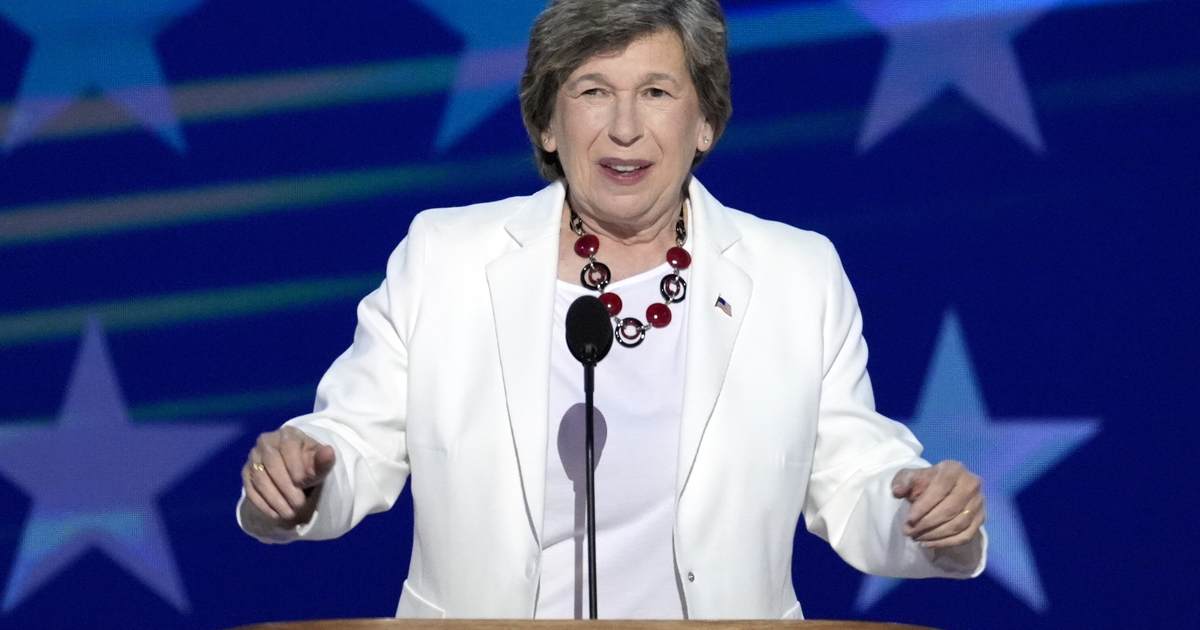
At a recent event for the American Federation of Teachers, her rhetoric made that priority crystal clear and stirred a lot of reaction. She closed her remarks with a soaring, political flourish that sounded more like a campaign rally than a plan for raising test scores. This was the conclusion of her speech.
“And when we do,” she yelled, “when we bend that arc we will change the trajectory of this nation and secure a better future for all from sea to shining sea. Thank you so much, AFT!”
https://x.com/DeAngelisCorey/status/2077887281478672891
Yikes. The line landed like a manifesto: bold, theatrical, and focused on reshaping the nation rather than rescuing the basics in a classroom that’s still recovering. That tone underlines a repeated complaint from parents and educators who just want kids to learn foundational skills before they get lectured about social theory.
There’s another problem beyond rhetoric: many union leaders never taught in a modern classroom and celebrate policies that make classroom accountability weaker. That gap between leadership and practice fuels frustration among teachers who actually spend their days managing lesson plans and tired kids. As a result, rank-and-file classroom needs can get lost in large, ideological campaigns.
If you’re connected, socialism works great.
It’s definitely the latter.
Correct.
Those throwaway lines and the applause that followed show how political theater has replaced concrete plans in some corners of education advocacy. Voters notice when promises to elevate academic standards are drowned out by grand declarations about societal transformation. That’s why conservative critics push for policies that refocus schools on teaching fundamental skills and restoring local control.
Weingarten is in her late 60s and, importantly, no longer stands in front of a classroom every day; she’s the national face of a major union and draws a big pension from the system she helps shape. That distance from daily teaching life matters when leaders are setting priorities for schools and influencing contract terms and curricula. Even if she retires soon, the institutional practices and the people she empowers will keep shaping classrooms for years.
The worry for parents and taxpayers is that whoever follows will likely share the same instincts, given how organized influence works within unions and the broader left-leaning movement in education. Without clear accountability and a renewed emphasis on reading, writing, and arithmetic, students risk being used as tools in wider cultural fights. Policymakers who care about outcomes should pay attention to how leadership choices translate into classroom reality.