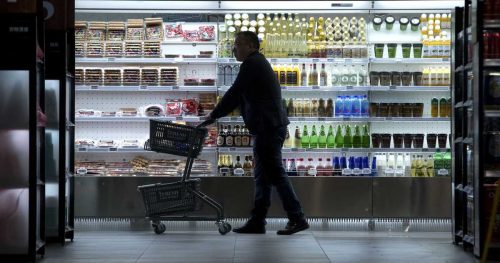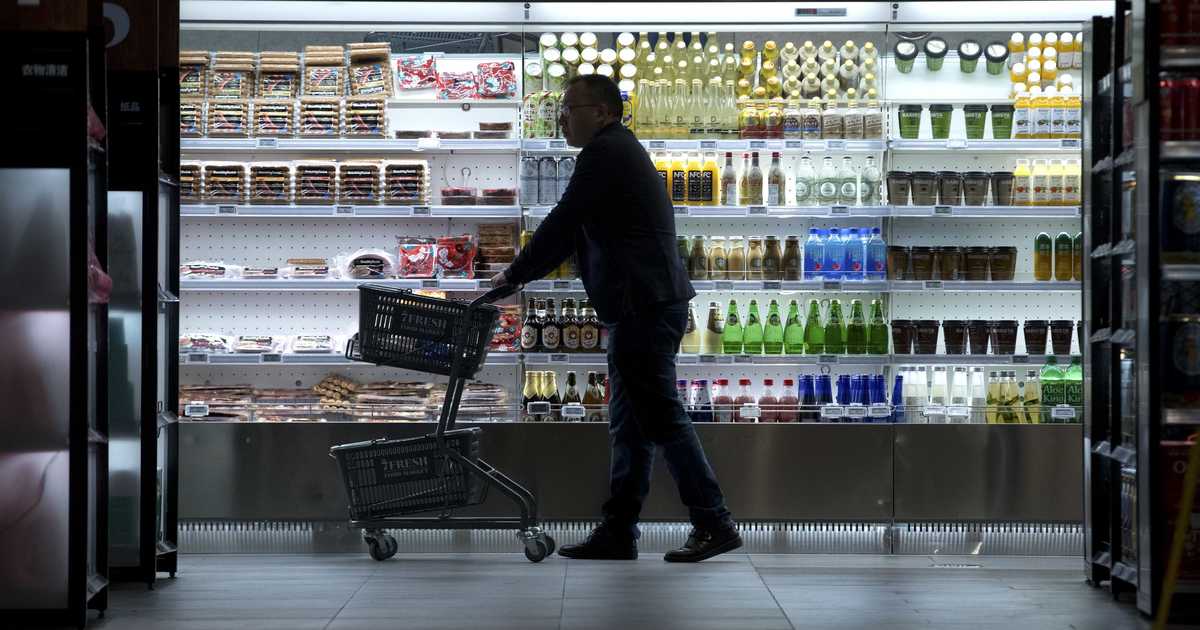
Chicago neighborhoods watched seven Save A Lot grocery stores close after the operator hit financial trouble, despite millions in public incentives, leaving residents frustrated and services stretched tight as crime and policy shifts add pressure.
Seven stores on the South and West sides closed over a single weekend, and neighbors reacted with anger and exhaustion. The city had committed $14 million in tax-increment financing and another $13 million in New Market Tax Credits to support the operator, yet closures came anyway. Residents now face fewer food options and longer trips for basics in neighborhoods already short on services.
Community members spoke plainly about what the loss feels like at street level. “I know the struggle, I was there,” said one resident. “I saw it. So it’s like, man, another blow to the community, and there ain’t nothing we can do about it.”
https://x.com/EndWokeness/status/2080677028995399840
Many described a daily squeeze that goes beyond just missing a grocery aisle and into real-time survival decisions. “We have nothing, you know? So, I don’t know what we gonna do. There’s nothing around here. This is basically the only store you can come to,” said a woman from the community. Those voices underscore how fragile access to food and supplies has become in some neighborhoods.
Seven Save A Lot grocery stores are set to close on the South and West sides Saturday as the stores’ operator faces financial difficulty and as efforts to find an emergency operator have not yet been successful, sources confirmed. Grocery chain Save A Lot has worked with Ohio-based Yellow Banana since 2023 to operate stores in Auburn Gresham, Englewood, South Chicago, South Shore, West Garfield Park, West Lawn and West Pullman. But Save A Lot decided to end its agreement with Yellow Banana due to “significant financial headwinds” facing the grocery store operator, officials said in a statement Tuesday.
As Yellow Banana came under financial duress, Save A Lot took on additional responsibilities to keep the stores open — including providing financial support for vendors, employees and other stakeholders, and guaranteeing the stores were stocked and fully operational, sources told Block Club. Save A Lot officials set a Saturday deadline to find an alternative investor or new supplier to keep the seven grocery stores open, company officials said Tuesday.
The public money in play was concrete: $14 million in TIF funds and roughly $13 million in New Market Tax Credits were used to buy and rehab six stores, with a stipulation that those locations open by March 2025 to keep the TIF dollars. That timeline and the promise of rehabs were supposed to anchor renewed retail on the South and West sides. When those openings were delayed or troubled, the financial math and political patience ran out fast.
Those projects were not immune to controversy either; openings met protests, legal entanglements, and other operational headaches that made the rollout rocky from the start. Sales for these stores reportedly fell about 26 percent after changes to the federal Supplemental Nutrition Assistance Program were implemented under President Trump’s “Big Beautiful Bill.” That drop hit thin-margin grocery stores hard, compounding existing struggles.
Beyond the accounting and paperwork, operational reality also includes crime and theft, which push costs up and scare away suppliers and staff. Looting, shoplifting, and targeted thefts change how a store does business, raise insurance costs, and force managers to rethink deliveries and staffing. Those risks can make a marginal store unsustainable, even with public support.
Local officials reacted in different tones, but the mayor’s comment captured frustration: Mayor Brandon Johnson says that’s “unholy.” That word reflects a political and moral judgment that many residents echoed in everyday language. Whatever label you put on it, the result is fewer grocery options and deeper inconvenience for families who rely on nearby stores.
Delivery drivers and suppliers have become targets in some parts of the city, which affects how and when stores can get stocked. Thieves will target delivery drivers, and that vulnerability can force routes to change or shipments to stop arriving. For stores operating on tight margins, missed deliveries and stolen goods are immediate threats to staying open.
Crime is one of the problems here, and policy choices are another piece of the puzzle that affects retailers’ bottom lines. Widespread use of SNAP and the program’s reforms are part of the operational shift that managers and analysts point to when explaining the sales declines. Those combined pressures make investing in neighborhood grocery stores look riskier to private operators.
These closures are now part of a wider conversation about how to keep basic services running in disinvested areas. Investors, nonprofit partners, and city agencies all have to weigh costs against community needs, but residents on the ground are already dealing with the loss. The practical question is how to restore reliable access to groceries in places where a single store closing becomes a major hardship.
Editor’s Note: The American people overwhelmingly support President Trump’s law and order agenda.