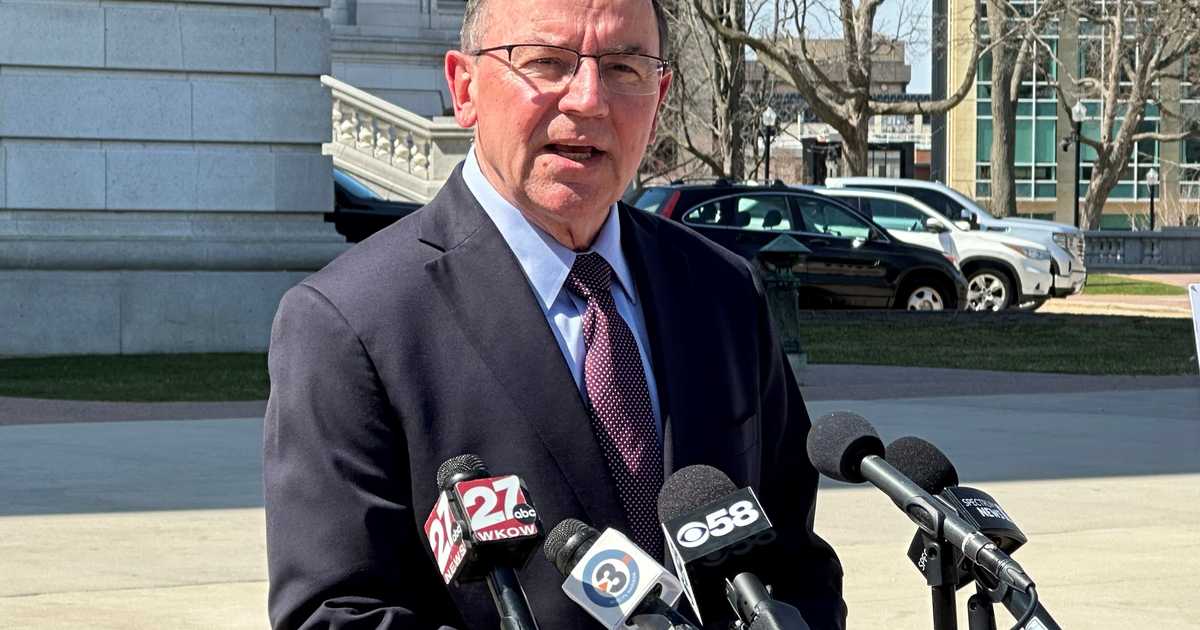
Tom Tiffany criticized local fact-checkers for declining to investigate Francesca Hong’s public statements about the Senate, arguing the refusal signals a larger unwillingness to hold certain candidates to account.
Republican Tom Tiffany has been pressing the issue that Francesca Hong’s camp misrepresented her stance on abolishing the Senate, and he’s not backing down. The controversy began after comments from the Democratic Socialists of America co-chair suggested the group wants to abolish the Senate, which prompted questions about where Hong stands. Hong’s communications director, Allison Geyer, told media Hong never called for abolishing the Senate, but evidence from a past post contradicts that denial. That contradiction is the center of Tiffany’s complaint to local fact-checkers.
The campaign sought verification from local fact-checking outlets, expecting follow-up on a clear, public claim. Instead, the response from at least one fact-checker was to pass, citing a single tweet and asserting it didn’t represent Hong’s position. That kind of dismissal, Tiffany argues, lets politicians evade accountability when inconvenient evidence shows otherwise. Voters deserve clarity when an aide’s statements contradict what the candidate or her allies have previously posted.
Tom Kertscher at Wisconsin Watch gave the notable response to the outreach, and his reply has become the flashpoint. Tom Kertscher, who works at Wisconsin Watch, wrote, “As always, thanks for the suggestion, but I think we’re going to pass on this one since it’s one tweet and this doesn’t seem to be her position.” That answer left Tiffany’s team and critics frustrated because the post in question appears to be public and on the record. Passing without asking basic follow-up questions feels like a missed opportunity for straightforward fact-checking.
https://x.com/TomTiffanyWI/status/2082169311259410460
Critics see a pattern where fact-checkers apply gatekeeping selectively rather than evenly across the political spectrum. Wisconsin Watch says it “strives to uphold high standards of fairness and accuracy,” yet many find the decision here inconsistent with that mission. When an editor declines to pursue a clear discrepancy between a campaign denial and a public post, it raises the question of equal treatment. If standards are genuine, they should survive the inconvenient cases.
The pushback here isn’t just about one tweet or one staffer’s mistake; it’s about institutional credibility. Geyer’s assertion that Hong never called for abolishing the Senate sits awkwardly next to a 2021 post that seems to say otherwise, so a basic inquiry should be straightforward. Fact-checkers who decline to investigate obvious contradictions risk eroding trust in their role as impartial verifiers. The public expects journalists and watchdogs to follow the breadcrumbs, even when that leads to uncomfortable findings.
Observers argue the decision to pass on this story is symptomatic of a broader media tilt and an unwillingness to challenge certain candidates. That perception is amplified when a fact-checking outlet acknowledges the contact but declines to dig deeper without clear reasons. Commentators point out that if similar tweets or posts from Republican candidates drew the same dismissive treatment, the response would be explosive. Consistency in applying verification standards matters if fact-checking is going to hold any weight with skeptical readers.
One voice captured the partisan worry succinctly: “We’ll see if these same fact-checkers apply that standard equally to Republican candidates,” Brooks wrote. That line reflects a broader concern that standards might be applied differently depending on who the subject is. When trust is conditional, readers are justified in asking whether headlines and clarifications are being shaped by bias rather than evidence. The health of public discourse depends on neutral application of journalistic rules.
Skeptics have been blunt about what they expect next: they don’t anticipate a sudden shift toward impartiality. Spoiler alert: they will not. Still, the challenge remains the same—encourage fact-checkers to act on clear, demonstrable claims and let the public judge the results. Transparency and equal scrutiny, not selective politeness, are the remedies that restore credibility.
Editor’s Note: The 2026 Midterms will determine the fate of President Trump’s America First agenda. Republicans must maintain control of both chambers of Congress.
Help Townhall continue to report on the Democrats’ radicalism and inform voters as our nation faces a crossroads. Join Townhall VIP and use promo code FIGHT to receive 60% off your membership.