Michigan Attorney General Dana Nessel says she will skip the state Democratic nominating convention because she fears harassment tied to rising antisemitism within parts of the party and among activists, and she warns party leaders that ignoring those threats puts people at risk.
Michigan Attorney General Dana Nessel announced she will not attend the state Democratic Party’s nominating convention this month, citing specific safety concerns and a pattern of harassment. She made the decision after raising alarms about antisemitic incidents and what she described as a hostile response from some party members.
Nessel has criticized party leadership for failing to address complaints about individuals who have targeted her in the past, and she said her absence is driven by real fear of being shouted down or worse. That fear follows a series of confrontations and a political climate where pro-Israel voices have been treated harshly at certain events.
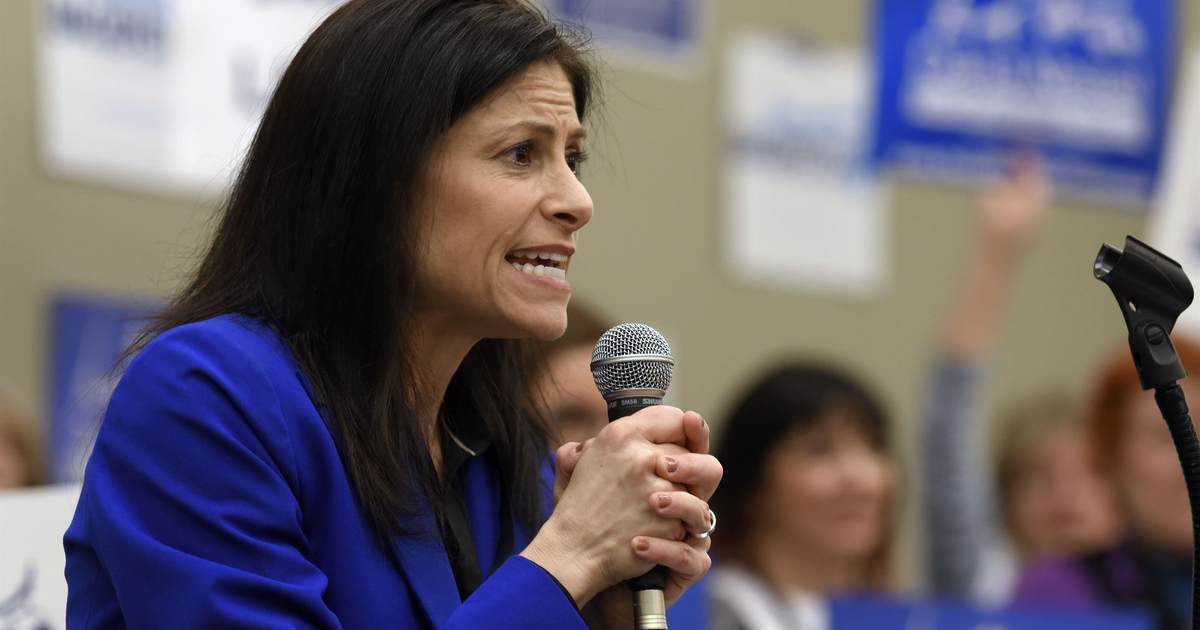
At a roundtable discussion with Jewish leaders and community members from around the state, Michigan Attorney General Dana Nessel said she will not attend the Michigan Democratic Party’s nominating convention in August because she does not feel safe to be there.
“I feel like my presence isn’t going to be welcome. I don’t want to get chased around. I don’t want to get harassed. I don’t want to get yelled and screamed at. I don’t want to get booed off the stage, irrespective of what I’m saying,” she said at the Thursday event. “And I believe that if I go, that is what will happen because it’s been happening to me.”
She criticized party leadership for not responding to concerns she said she has raised about members who have harassed her in the past, and compared the rise of antisemitism on the political left and in the Democratic Party to the proliferation of neo-Nazi organizations in far-right fringe politics.
“I will speak as a member of the Democratic Party here in Michigan, that some things have changed,” Nessel said. “This cannot continue, and the fact of the matter is, we have to be able to be a society where we can have intelligent discourse and debate about ideas without people being threatened, and certainly without people carrying out those threats.”
Derrick Honeyman, a spokesperson for the Michigan Democratic Party said in response to Nessel’s comments that the party is committed to “ensuring party-hosted events are safe and secure environments for all attendees.”
“We reject antisemitism, Islamophobia, and all forms of hateful conduct. We are working diligently with stakeholders, elected officials, and party membership to prepare for our August convention and look forward to welcoming Michigan Democrats to the Lansing Center on August 29,” he continued.
Her comments came after meetings with Jewish leaders and community members, and they laid bare an internal struggle inside Michigan’s Democratic circles over how to treat those who speak up about antisemitism. Nessel framed the problem as broader than a few bad actors, saying it reflects cultural shifts that the party needs to confront.
Antisemitic incidents have surged across Michigan in recent years and remain well above pre-2023 levels, a point Nessel and others have stressed repeatedly. The state saw a notably high total of incidents in 2025, placing it among the more affected states and drawing attention to campus and institutional vulnerabilities.
Critics inside and outside the party point to specific episodes as evidence of a problem, including confrontations at party gatherings where pro-Israel officials were shouted down. One episode at an interior convention featured heckling of a pro-Israel congresswoman, and advocates say that pattern discourages Jewish Democrats from speaking out.
https://x.com/JFKPascaalNajad/status/2081547268516118938
Local activists have pushed candidates and delegates toward more extreme positions on campus protests and Middle East policy, and some Jewish Democrats report feeling sidelined or even targeted because of their views. The debate has created real tension around whether Jewish members feel welcome at party events and in party ranks.
Voices who monitor antisemitic trends note a spike after the late 2023 terror attacks that killed many Israelis, which shifted national attention and increased reporting of incidents. In Michigan, that spike included a high number of events tied to campuses and Jewish institutions, prompting calls for better protections and clearer denunciations of hate.
Some party officials insist they are taking steps to secure events and to reject all forms of hateful conduct, but critics say public statements are not enough. They want concrete action: accountability for harassers, training for local organizers, and consistent enforcement when delegates or activists cross the line into intimidation.
The decision by a high-profile Jewish Democrat and statewide elected official to stay away from her party’s own convention is a warning sign. It signals that internal divisions over how to handle antisemitism are not just abstract disputes, but real safety and inclusion problems that could shape candidate recruitment and party unity going forward.
For many Jewish Democrats, the question now is whether party leadership will translate assurances into measures that restore safety and trust at public events. Some say the answer will determine whether they can remain active and visible within the party without fear of being silenced or driven out.