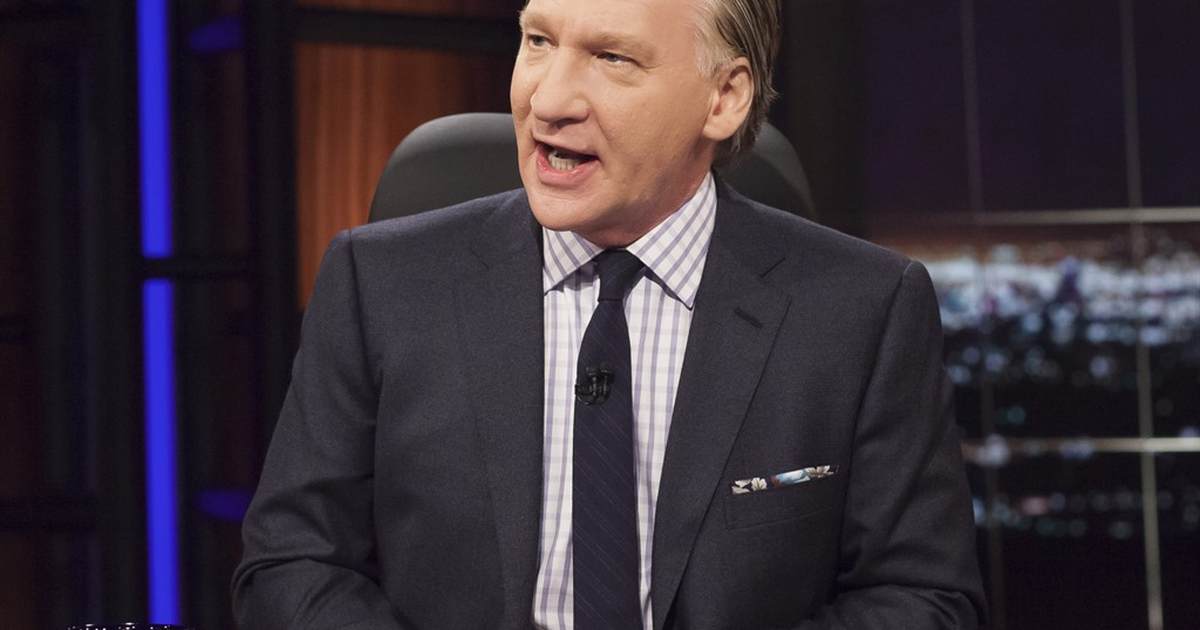
Bill Maher’s fiery 2014 TV moment with pro-Palestinian commentator Rula Jebreal still cuts through the noise today, showing how blunt talk about radical Islam collides with accusations of bigotry and how those skirmishes echo amid rising antisemitism and pro-Hamas sentiment in parts of the Democratic Party.
The clip returns because the issues it captures are not gone. Radical Islamic terrorism remains a real threat, and we’re seeing a worrying uptick in antisemitism and some openly pro-Hamas voices inside the Democratic coalition. That context makes Maher’s bluntness worth revisiting from a conservative perspective that favors calling things by their names.
Back in 2014, a televised exchange between Bill Maher and Rula Jebreal turned heated fast. Maher has long argued against radical Islam and pushed back on political correctness when it comes to cultural and religious extremism, while Jebreal accused him of lumping all Muslims together and called his views offensive. The clash escalated over whether Maher’s remarks were fair or simply bigoted.
Maher pointed to real-world patterns—like concerns over extremist ideology in some communities and controversial cultural trends overseas—as the basis for his critique. Critics claimed he painted with too broad a brush, insisting secular and moderate Muslims were unfairly swept into the same bucket. That disagreement is the crux: is blunt public critique of problematic ideas legitimate, or does it cross into prejudice?
Rula Jebreal: Would you accept an openly anti-Semitic person to give a commencement speech to Jewish students? I actually would not.
https://x.com/_Jeffery0/status/2083683019152384211
Bill Maher: Even Reza Aslan says I’m not a bigot, so I resent the idea that I’m comparable to an anti-Semite. All I’ve ever done is read facts.
Rula Jebreal: What facts? You never invited… I’m sorry, Bill.
You’re comparing Jihadists, Salafists, Sunnis… You don’t know the difference. You’re putting all Muslims into one bucket, including secular Muslims. And when you talk about them that way, Bill, it’s offensive.
Bill Maher: But it’s okay to be offensive.
Sen. Angus King: That’s what free speech is all about. If free speech is only speech you like, it’s not free speech.
Rula Jebreal: He was invited to give a commencement speech, not a debate. If you want a debate, I’ll gladly join you anywhere.
Sen. Angus. King: He was invited to be a commencement speaker, and then people didn’t like what he said.
Bill Maher: Can you be gay in Gaza? And live?
Rula Jebreal: Yes, you can. Absolutely. You’re comparing the majority of Muslim countries to places like Saudi Arabia.
Bill Maher: Is there a gay bar in Gaza?
Rula Jebreal: I travel the Middle East. This is what I do for a living. You’re comparing all Muslim societies as if they’re the same.
Gen. Wesley Clark: I think this is really about whether someone can be invited to give a speech. People may agree or disagree, but that’s the American system. People should be allowed to speak.
Rula Jebreal: The Muslim community in this country is being treated like a fifth column, and they’re not.
They feel threatened, they’re underrepresented in the media and politics, and you never invite them here to discuss these issues.
Bill Maher: Never invite them? You’re here. Reza is here. They’re here all the time.
Rula Jebreal: On these issues.
Bill Maher: Every time I say something you don’t like, suddenly it’s not a serious conversation or I’m a bigot. That doesn’t work for me.
Rula Jebreal: I don’t want a war on Islam. I want to win the war on terror.
But when you repeat the same things Al-Qaeda used to say—that this is a war on Islam—you’re doing their work for them.
My father was Muslim. He was Sufi. You don’t even know the difference between Sufi, Sunni Shafi’i, or Sunni Hanbali.
Bill Maher: Yeah, I do.
Rula Jebreal: For you, we’re all Jihadists.
Bill Maher: I know that in many places around the world, if you left your religion, there would be consequences.
Would it be okay for someone to say, “You know what? I’m a Presbyterian today?”
The back-and-forth exposes two truths at once: free speech protects blunt, sometimes offensive observations, and vigorous disagreement will follow. Conservatives tend to side with protecting frank discussion, even when it makes people uncomfortable, because sanitizing debate rarely solves underlying problems. The nation benefits from clear-eyed talk about threats, not from suppressing criticism for fear of offending powerful narratives.
Some critics point to the Berkeley controversy where Maher faced backlash over a commencement appearance, arguing universities and public platforms routinely punish provocative speech. That pattern matters because silencing uncomfortable but factual critiques can leave communities blind to real dangers. If institutions prioritize comfort over truth, Americans lose.
Jebreal’s point about Muslim communities feeling underrepresented and unfairly targeted is not trivial and deserves respect. But recognizing that concern does not negate legitimate debate about extremism or its cultural roots. The debate should include voices from within Muslim communities who condemn violence and offer reform, not just accusations of bigotry aimed at dissenting commentators.
Revisiting this clip is useful because the dynamics it shows—persistence of extremist threats, rising antisemitism, and heated culture-war exchanges—are still present. From a Republican viewpoint, the answer is not censorship but more robust, honest discussion where uncomfortable facts can be aired and challenged openly. That’s how societies solve real problems, not by pretending disagreement equals hate.
You can’t have a serious conversation when people reflexively call criticism bigotry; you need clarity, facts, and the courage to speak them. Dear Lord.