Republican Marty O’Donnell has rolled out a striking campaign ad that foregrounds his life as a musician and composer while tying that craft to economic messaging in Nevada’s Third Congressional District. The spot centers on O’Donnell at the piano and uses his creative background to contrast care and discipline with the chaos his campaign says comes from Washington. The race with Rep. Susie Lee has tightened into one of the more closely watched contests in the state.
Marty O’Donnell, a Republican challenger in Nevada’s Third Congressional District, released an ad that leans on his reputation as a pianist and composer. The piece positions his musical training as a metaphor for stewardship and discipline. That framing aims to connect cultural credibility with practical leadership on economic issues.
The ad opens with O’Donnell seated at a piano, letting a simple melody set the tone as the camera lingers on his hands and the instrument. That visual carries through the short video, making the music itself a central communicator of the ad’s message. The production treats the piano as both prop and testimony to his background in composition.
He delivers a line that ties the metaphor together by saying, “This piano’s in tune because I take care of it. Neglect it, and nothing sounds right. That’s our economy,” he said, saying “it’s time to get congress back in tune.” The phrasing deliberately links personal responsibility with fiscal competence. For voters tired of partisan noise, the image of a candidate who tweaks and tunes rather than grandstands is meant to be reassuring.
Before running for office, O’Donnell earned notice for award-winning scores on major video game franchises, with credits that include Destiny and Halo. That pedigree gave him a platform in creative and tech circles and explains why a music-first ad makes strategic sense. It lets him explain policymaking instincts through the familiar language of composition and production.
https://x.com/MartyTheElder/status/2085040929136607520
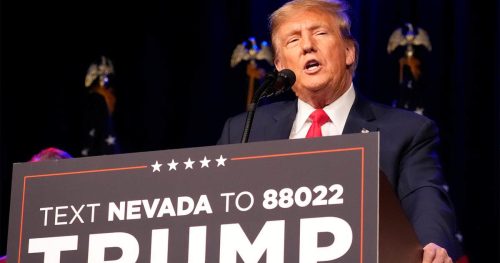
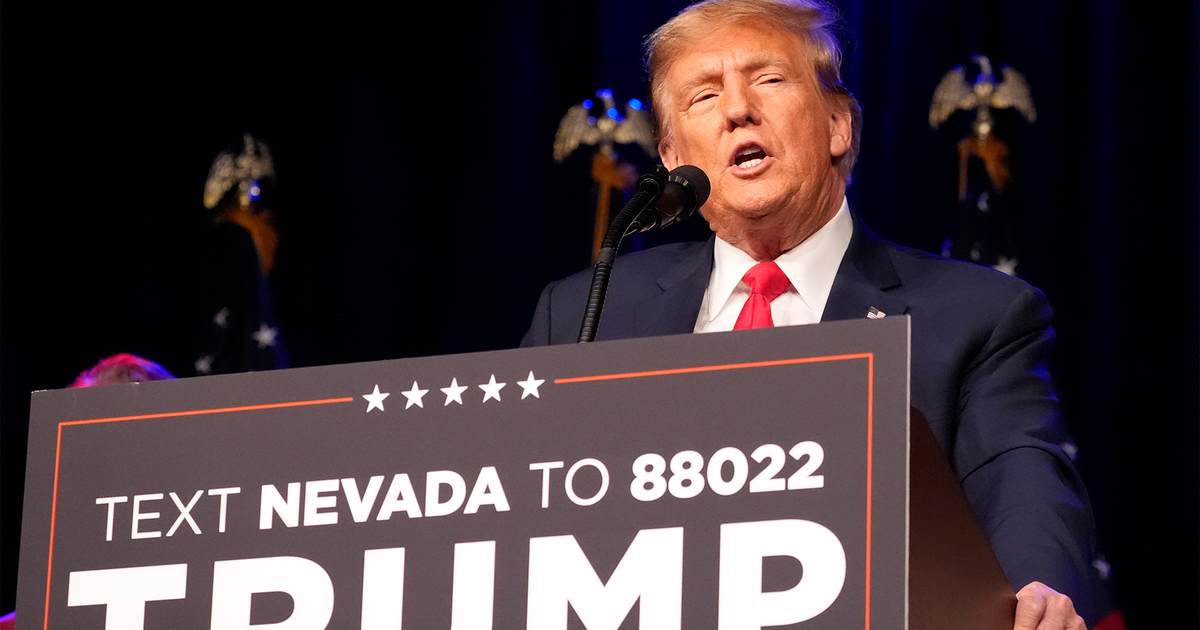
The campaign has come into sharper focus as national attention landed in Las Vegas when President Donald Trump visited to promote recent policy wins and economic talking points. During that visit the president underscored a policy point about tipped wages, saying, “You got No Tax on Tips—so if you’re a waiter, waitress, bartender, bellhop, a caddy, a valet, a hotel worker, a taxi driver in Las Vegas or anywhere else—anywhere—you pay zero taxes on your tipped income,” which Republicans highlight as a win for service-industry workers. O’Donnell’s team seized on the visit to emphasize economic relief and tax fairness for Nevada’s hospitality workers.
Analysts classify the matchup with Rep. Susie Lee as competitive, and the Cook Political Report rates the contest as “Lean Democrat.” That narrow margin helps explain why both campaigns are dialing up targeted messages and creative production. With control of the House on the line nationally, local texture like a musician-turned-candidate can cut through media clutter and attract attention.
Lee has kept an economy-first posture while criticizing the president’s approach and national Republican messaging. On social media she wrote, “Trump came to Vegas today and Republican politicians praised the same policies that are crushing families with higher prices,” and she added, “Nevadans need a representative who will stand up to him– not bow to Trump when he takes a day trip to our home.” Her posts frame the contest as one about whether a Nevada representative will align with the White House or push back on inflation and cost concerns.
O’Donnell’s ad campaign trades on a clear contrast: a candidate who emphasizes practical care and measured fixes versus a Democrat who casts that conservative approach as alignment with national Republican priorities. The spot’s tone is low-key but intentionally pointed, aimed at voters who respond to competence and craftsmanship. It’s a way to personalize policy without leaning on standard political tropes.
As the midterm season intensifies, both campaigns are sharpening how they talk about jobs, prices, and local industries that matter in Nevada. O’Donnell’s creative pivot toward music offers a distinct identity in a field of similar messages, and it gives Republican messaging a storytelling edge. Voters in the district will see whether that storytelling translates into the narrow shifts both sides are chasing.