The WNBA is calling a special strategy meeting to grapple with how to define a woman, and the league’s leadership is under fire as the debate over transgender participation in women’s basketball intensifies.
The league is publicly wrestling with identity questions that many Americans find straightforward, and that fight is playing out in front of fans, players, and team officials. Commissioner Cathy Engelbert has circulated a memo and plans to convene team presidents and general managers to discuss transgender participation. That internal review signals the WNBA recognizes the controversy is now impossible to ignore.
The friction comes after outspoken remarks from players and reactions on the road, and the league’s response so far has felt reactive, not decisive. Conservatives and many fans say sports need clear categories to protect fairness and opportunity for female athletes. At the same time, league officials are navigating intense media attention and activist pressure that complicate straightforward policy decisions.
WNBA Commissioner Cathy Engelbert has sent a memo to teams that addresses ongoing discussions around transgender athletes in women’s basketball.
https://x.com/ClayTravis/status/2086168884759900317
“I know many of you have received questions in recent weeks regarding transgender athlete participation in women’s basketball, and I expect this topic will continue to receive significant attention,” Engelbert wrote in the memo, which was sent Friday afternoon and obtained by The Associated Press. “I wanted to reach out to share how we are approaching these conversations at the league office and to thank those of you who have responded to questions from the media with thoughtfulness and professionalism.”
The memo said the topic will be discussed further by a task force of team presidents and general managers at a previously scheduled meeting next week.
In an ESPN article published last month, Indiana Fever player Sophie Cunningham voiced support for barring transgender girls and women from girls’ and women’s sports. Cunningham’s comments sparked small rallies and protests in Seattle and Portland when the Fever were on the road last week.
The memo is a clear sign the league feels pressure from both its internal stakeholders and the public, but many worry the task force will produce vague guidance that satisfies neither fairness advocates nor those defending women’s sports. Fans want rules that preserve competition integrity while leaders scramble to avoid partisan backlash. Conservative critics see the meeting as overdue and necessary; they want explicit standards, not soft statements.
This comes after a couple of former NBA players declared their intention to join the WNBA, which further inflamed concerns about competitive fairness and the direction of the league. Those announcements sharpen the argument that physical differences matter in elite sports and that clear eligibility rules are required. The prospect of high-profile men switching to the women’s league raised alarm bells among players and supporters who want predictable, level playing fields.
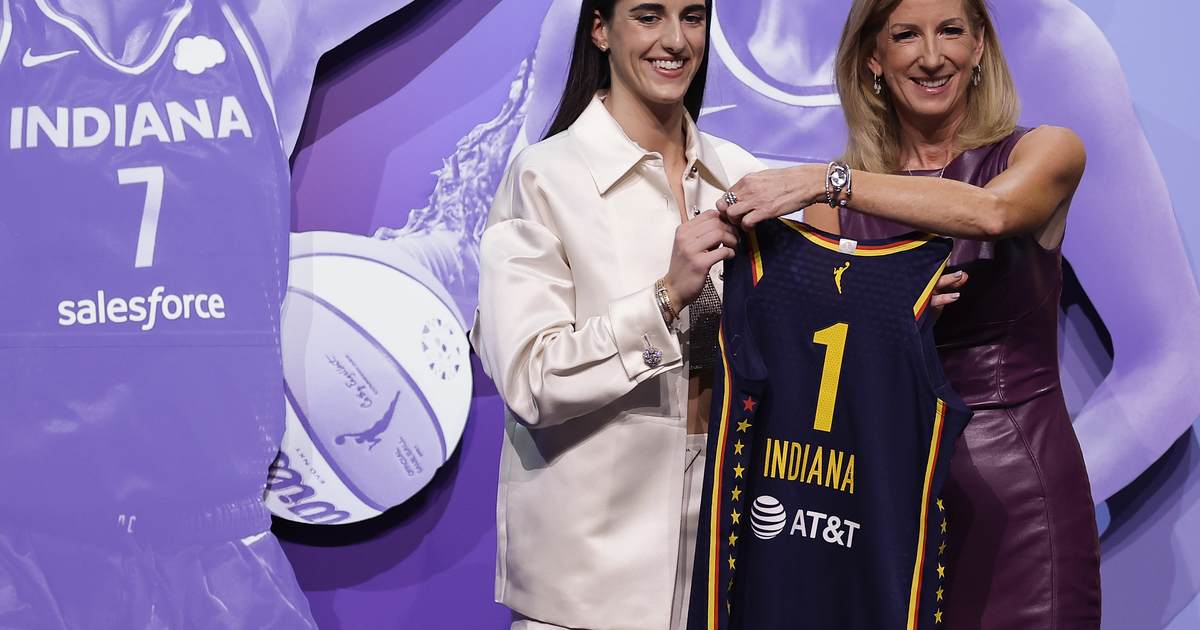
Commissioner Engelbert has also been criticized for avoiding tough media moments, including canceling interviews when questions turned to the league’s handling of the Caitlin Clark coverage and related controversies. Critics argue that ducking inquiries only fuels suspicion that the league lacks a coherent, principled stance. Transparency and accountability are basic expectations of leadership, and failure to meet them erodes trust with fans and sponsors alike.
Beyond the policy debate, there’s a deeper cultural clash at work: a portion of the league’s leadership and some activists insist labels are fluid, while many fans insist sports require categorical safeguards. Conservatives emphasize facts about sex-based differences as the foundation of fair competition, and they want administrators to act on those facts rather than surrendering to ideological pressure. The meeting should be a place to restore clear, enforceable standards that protect women’s sports.
The stakes extend to recruiting, scholarships, and the credibility of women’s basketball as a professional product that fans invest in emotionally and financially. If rules remain unclear, the league risks alienating long-time followers and undermining the accomplishments of women who built the sport. Calls for a front-office overhaul reflect wider frustration: when leadership fails to set steady rules, chaos and poor optics often follow.
Whether this strategy session produces a robust policy or more hand-wringing, the moment underscores a simple point conservatives keep making: reality and biological differences matter in athletics. The WNBA’s next moves will tell whether the league is willing to defend women’s sports or continue down a path that leaves fairness and clarity on the sidelines.