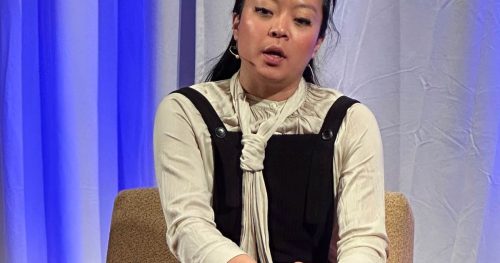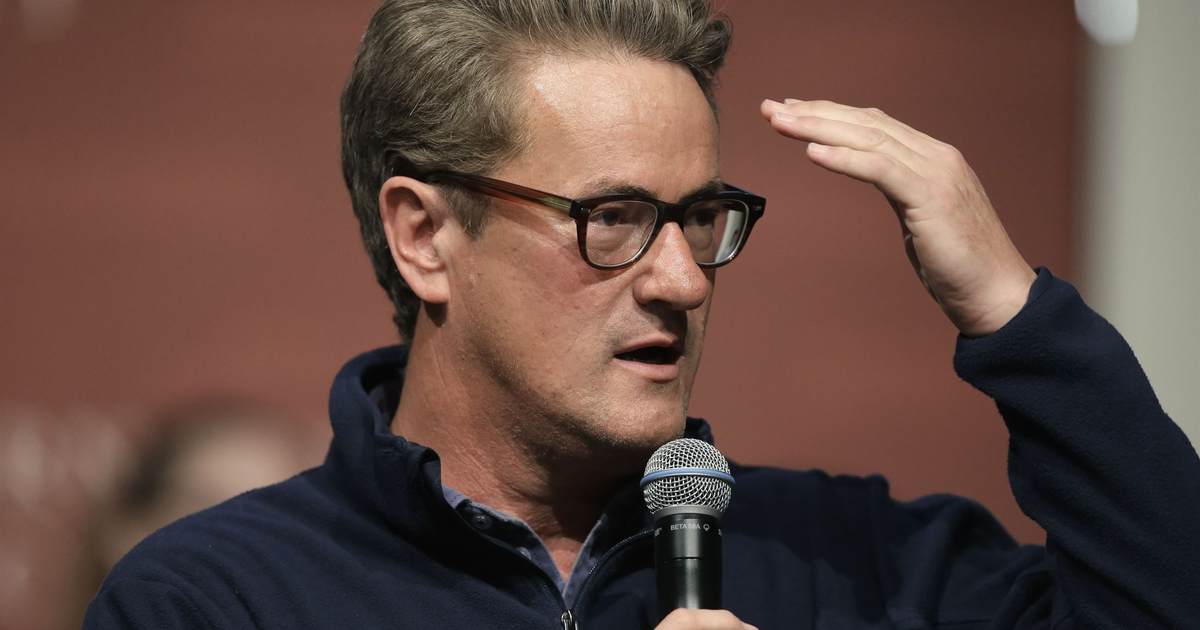
Joe Scarborough reacted with visible disgust after a Democratic Socialists of America co-chair suggested the October 7 attacks were “inevitable,” sparking a broader debate about where the hard left within the Democratic coalition draws its lines on violence and moral clarity.
On Morning Joe, the host played a clip of Megan Romer’s interview with David Remnick, where she declined to call the October 7 attacks unequivocally heinous and instead framed them as understandable in context. Romer, a DSA co-chair, tried to link the assault to Israel’s policies in Gaza and used familiar talking points about the territory, which provoked immediate backlash. The reaction shows how deeply divided the conversation is inside the party about defending allies and denouncing terror.
Romer’s comments were presented in a report that summarized her remarks and the reaction they triggered. The report included a direct passage that outlined how Romer characterized the events and the movement’s stance on support for Israel. That passage is reproduced below for accuracy and context.
A Democratic Socialists of America (DSA) co-chair blamed the Oct. 7, 2023 Hamas attack on Israeli policies in the Gaza Strip, calling the massacre “inevitable.”
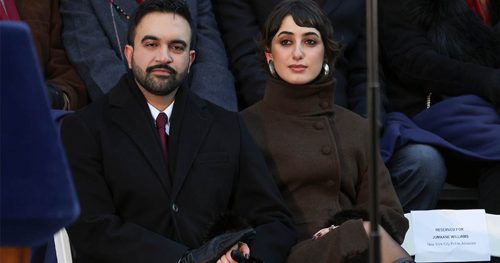
Megan Romer, who is DSA co-chair alongside Ashik Siddique, declared that backing “defense or economic support for Israel” is a “solid red line” within her ultra-far-left movement that has gained traction in a slew of Democratic primaries this cycle.
“I think the events of October 7 were, in many ways, inevitable,” Romer told the New Yorker’s David Remnick in a recent interview when asked about a DSA-backed Darializa Avila Chevalier rallying against Israel on Oct. 8, 2023.
Scarborough’s on-air response was sharp and incredulous. He contrasted attending a pro-Hamas rally right after the massacre to a hypothetical pro-al Qaeda rally the day after 9/11, using that comparison to underscore how shocking he found Romer’s position. The clip captured a rare moment of moral clarity from a broadcaster who once left the Republican Party over Donald Trump, and it made clear that many viewers see the DSA stance as beyond the pale.
The co-chair of the DSA supported going to a pro-Hamas rally the day after Hamas gleefully slaughtered more Jews on October 7th than any day the Jews were slaughtered since the Holocaust.”
https://x.com/VigilantFox/status/2086846637431804311
“This would be like going to a pro-al-Qaeda rally on September 12th, which I’m sure many people in the DSA would say, ‘Well, that would be perfectly fine.'”
Joe Scarborough left the GOP over Trump in 2017. Nine years later, he’s admitting his own side is full of people who would call a pro-al Qaeda rally on September 12th “perfectly fine.”
You have to wonder what’s going through this guy’s head right now.
That comparison landed for a reason. For conservatives and many independents, public figures who appear to excuse or rationalize terror cross a moral line that can’t be papered over by political nuance. Romer’s attempt to tie October 7 to a broader critique of Israeli policy came across as minimization to many commentators, and that perception is widening the split between mainstream Democrats and their far-left flank.
Critics argue that any framing which suggests the slaughter was “inevitable” diminishes the agency and culpability of Hamas leaders who planned and executed the attack. Defenders of Israel and opponents of antisemitism see Romer’s remarks as part of a pattern where anti-Israel rhetoric slides into tolerance for extremist acts. That slippage is not just rhetorical; it shapes which voices get a pass in national debates and which are ostracized.
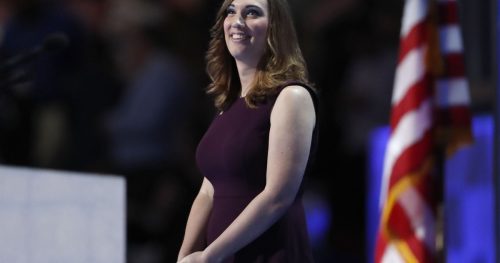
I mean, this lady was just hopeless:
These hard-left figures are gaining influence in pockets of the Democratic primary process, but their posture on national security and moral accountability remains deeply unpopular with many Americans. The DSA’s insistence on strict red lines against support for Israel speaks to a broader ideological test within the party: are candidates judged by loyalty to a foreign policy stance or by basic condemnation of mass murder? The answer matters for candidates who want to win general elections and govern responsibly.
Watching this play out on television makes the stakes clear. Voters are deciding whether they will accept a party where senior organizers publicly debate the moral status of terror, or whether they will back leaders who make quick, unequivocal condemnations of mass violence. For Republicans and many independents, the choice is obvious; moral clarity on terrorism is nonnegotiable and should be a baseline test for national leadership.