President Trump has signaled he may look for federal ways to stop New York City Mayor Zohran Mamdani’s pied‑à‑terre tax, and a Staten Island judge has paused the measure while courts decide its fate. The levy targets high‑end second homes and raises questions about whether the city will net meaningful revenue or drive wealthy taxpayers away. The clash has become a flashpoint between local policymakers pushing new revenue and critics warning of economic fallout. Legal and political fights over the tax are now centered on who ultimately has the authority to intervene.
The tax applies to properties that aren’t primary residences: homes over $5 million and condos and co‑ops over $1 million if they are not listed as a primary residence or house a renter, with some exceptions. Supporters say the charge will bring in funds for public services, while opponents warn it will shrink the tax base and accelerate departures. A Staten Island judge has issued a temporary halt as the legal process unfolds and stakeholders prepare for a drawn‑out fight.
Many critics fear that the levy will push owners to sell or leave, shrinking the city’s income over time and creating a long tail of lost revenue. The tax’s thresholds and exemptions leave room for disputes about enforcement and unintended consequences that could ripple through the housing market. Those practical concerns butt up against a political argument about who should shoulder the city’s fiscal burden.
“The NYC Pied-a-Terre Tax is costing New York City and State a fortune in that the money, eventually to be gotten, is very little compared to to the TAXES PAID by the tens of thousands of people who are fleeing the City, never to return,” Trump posted to Truth Social, adding that Texas and Florida are just some states cashing in on New York’s political changes. “It is pure Amateur Hour, and it’s hard, as President of the United States of America, to sit back and watch it happen, especially to a place I once loved. Financial, and then Social, RUIN, is a 100% certainty – And then the Radical Left Jihadists charge Congestion Pricing on top of everything else,” he continued, saying that it “must be stopped, NOW!”
“I am looking to see if the Federal Government has any legal right to avert this disaster, before it is too late, for the millions of people who cherish New York and want to see it thrive, as opposed to becoming a filthy, crime ridden, decrepit place of mockery and scorn,” he continued. That statement makes clear the administration is weighing legal tools and public pressure as options, not just political rhetoric.
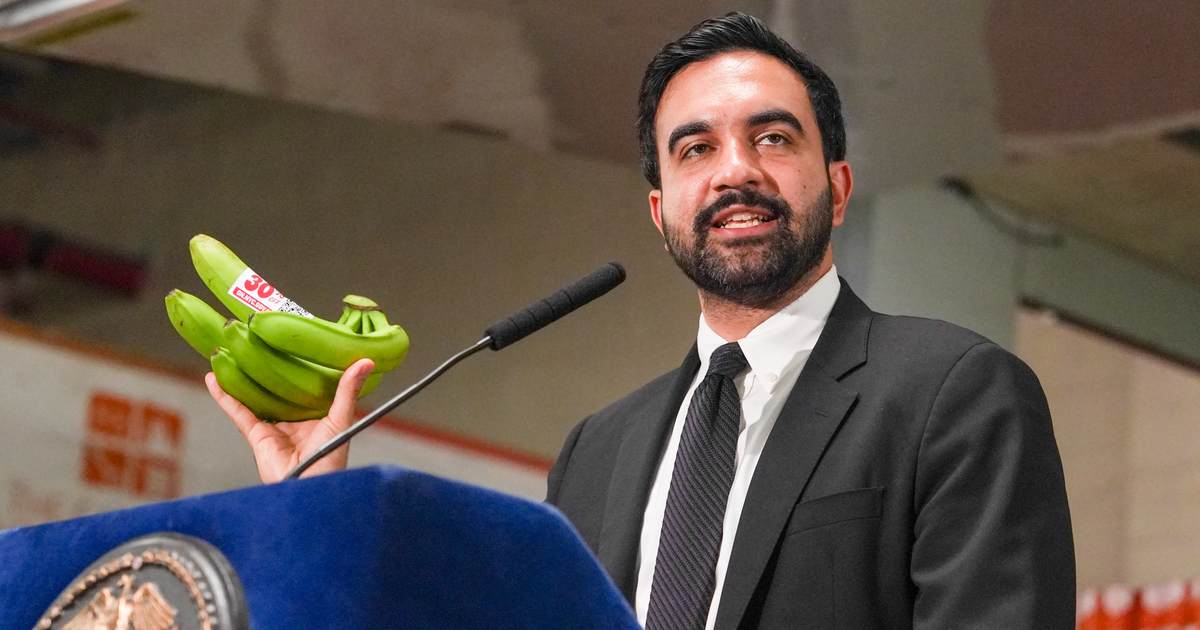
Mayor Zohran Mamdani has framed the levy as a solution to long‑term city funding challenges, and he released a statement on July 23 describing the tax as a way to collect revenue for parks, schools and libraries. “On Tax Day earlier this year, I promised that we would tax the rich, and with our new pied-à-terre tax, that is exactly what we have done,” he said at the time. “Today is the first step in implementing this tax and collecting critical revenue to fund our parks, schools and libraries. We will diligently implement this law and ensure that we collect what working New Yorkers – and this city – deserve.”
The debate is as much about politics as policy. Proponents see a corrective measure aimed at wealthy part‑time owners who don’t contribute to local services; opponents see punitive taxation that will accelerate an exodus and hollow out the city’s economy. The outcome will hinge on court rulings, political maneuvers and whether the tax actually produces net revenue after economic shifts.
As litigation continues, the practical stakes are high: property markets, municipal budgets and migration patterns could all be affected. Federal intervention would raise separation‑of‑powers questions and set a precedent for when Washington steps into city fiscal policy, especially if the goal is to block measures judged harmful to broader economic interests. With both sides dug in, expect a long run of courtroom skirmishes and sharp political attacks as the city tries to enforce a policy that many view as risky.