New polling data from Siena shows a puzzling split in New York City: sizable personal support for Mayor Zohran Mamdani sits alongside broad skepticism about the Democratic Socialists of America, creating a political puzzle with implications beyond the city.
The latest Siena numbers present a clear contradiction: many New Yorkers like Mamdani personally while remaining wary of the DSA as an organization. Statewide, just 30 percent of likely voters said they had a favorable view of the DSA, while 47 percent viewed it unfavorably and 23 percent were unsure. Those statewide results shift when the focus narrows to the city, but not enough to erase the tension between personality and party.
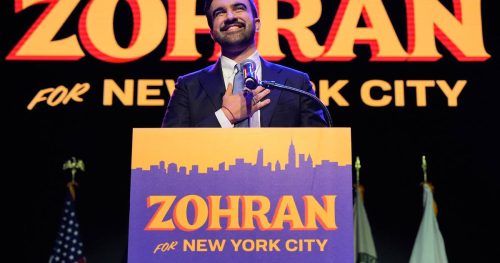
In New York City specifically, the poll showed roughly 49 percent of likely city voters holding a favorable view of the DSA, a notable jump from the statewide figure but still not an overwhelming endorsement. By contrast, Mamdani’s personal favorability was markedly higher: 69 percent of city voters reported a favorable view of him, with just 24 percent unfavorable. Those numbers make Mamdani more popular than some recent mayors were at comparable moments, even if the poll’s small city sample—about 227 of the 811 total respondents—limits how confident we can be in the details.
The discrepancy is striking because it separates the man from the movement. Voters appear willing to reward an individual who projects competence, charisma, and optimism while withholding blanket approval of the political organization that helped elect him. From a Republican perspective, that split offers a useful lesson: elections are often about personalities and perceptions, not just labels or ideological branding.
https://x.com/PollTracker2024/status/2087521748975538521
One plausible interpretation is that Mamdani has carefully cultivated an image distinct from the DSA’s broader reputation. He’s active on social media, projects energy, and presents policies wrapped in hopeful language that resonates with everyday concerns. That personal brand can mask or soften associations with the more controversial elements of democratic socialism, allowing voters to back him without signing on to the whole movement.
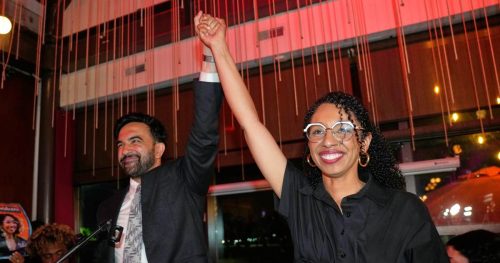
But that explanation does not explain every outcome. For example, three DSA-backed candidates swept Democratic primaries just weeks ago, suggesting that organizational strength still matters and can translate into electoral wins. The party apparatus, endorsements, and local ground games are clearly effective in some contexts, even if the national or statewide brand remains weak. Republicans should not assume that personality always trumps organization; the two can combine to produce surprising results.
For conservatives watching New York, the poll highlights both a problem and an opening. The problem is that skilled politicians like Mamdani can package far-left policies in digestible rhetoric, making those policies more politically palatable than the abstract label of socialism would suggest. The opening is that attacks focused on the individual’s record and choices may land better than broad ideological critiques when the public already distrusts the organization behind the politician.
The Siena survey also reminds us to be cautious with small samples. With only about 227 city respondents, margin of error and sampling quirks can shape favorable or unfavorable reads. Still, even allowing for statistical imprecision, the pattern is clear enough to force a strategic recalibration: messaging that targets the person’s actions and outcomes, rather than getting bogged down in abstract debates about socialism, could be more effective in persuading swing voters.
Another dimension worth noting is voter confusion. Nearly a quarter of statewide respondents said they were unsure about the DSA, which points to a significant information gap. That uncertainty can be exploited by skilled campaigners who present polished narratives and personalities, while the opposite side wastes time arguing over ideology instead of pointing to concrete consequences of policies on safety, taxes, and services.
What matters for Republicans nationally is less the exact percentage and more the lesson about modern political persuasion. Elections are increasingly about storytelling, optics, and the ability to make complex policies feel simple and positive. If conservatives want to blunt the spread of democratic socialism, focusing on tangible outcomes, local impacts, and the real-world results of a politician’s decisions will likely prove more persuasive than abstract warnings about ideology.
Editor’s Note: New York City is now facing the consequences of Mayor Zohran Mamdani’s socialist takeover.