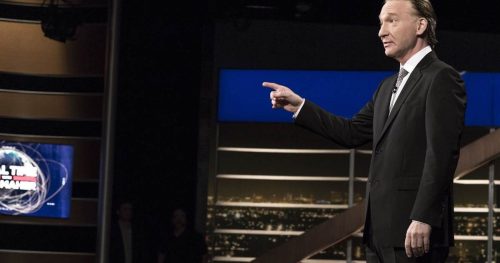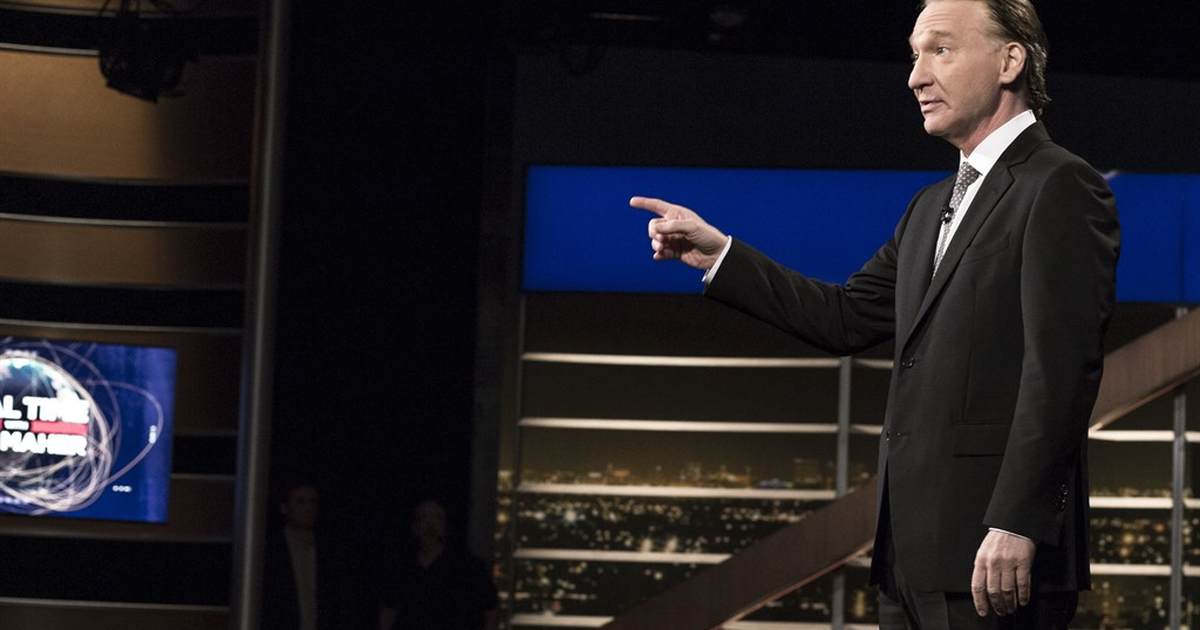
Bill Maher pushed back hard when comedian Max Amini tried to equate the Quran and the Bible, steering a tense podcast talk into clear disagreement over religion and real-world consequences.
Bill Maher hosted Iranian-American comedian Max Amini on Club Random, and the conversation quickly turned to religion and politics. Maher, a vocal agnostic and long-time critic of organized religion, didn’t hold back when the debate moved toward comparisons between Islam and Christianity. The exchange landed on difficult territory, touching on history, scripture, and modern authoritarian violence.
Maher argued that Islam and Christianity are not just different translations of the same book, and he drew a line between the two faiths based on historical behavior and founding figures. He insisted Christianity’s central figure promoted a different ethos than Muhammad, and that early Islamic expansion shaped elements of the faith. That perspective landed hard in the discussion and set the tone for the rest of the episode.
MAHER: “I gotta stop you there, man… It’s not really accurate, because the Quran and the Bible are not like the same book, just in a different language. They’re just not.”
https://x.com/VigilantFox/status/2089367664552464425
“First of all, the Bible is two halves. One is the Prince of Peace, whose message was very different than Muhammad, who was a warrior. Christianity is founded on being a martyr and suffering.”
“Islam, their best century was their first. They came out of the desert and conquered the whole world, and they didn’t do it by asking. It doesn’t happen that far, that quickly, by asking. There’s a reason why the Saudi Arabian flag is two swords.”
“Okay, everybody was like that back then. They were just very successful at it. But that influences what’s in the book.”
“The Bible is an anthology of so many different authors over different eras, and some of it is batshit, and some of it is poetry.”
The guests did find common ground when they turned to the Iranian theocracy, agreeing it is brutal and repressive. Amini acknowledged he cannot safely visit Iran because he publicly criticizes the government, and Maher agreed the regime’s violence is systemic. The conversation shifted from theological theory to the real-life consequences of state-sponsored brutality.
“ICE shouldn’t have killed those people. But it’s not the same thing. It just isn’t. Get over silliness, you know,” he added. This is a state regime that’s killing people wholesale. That line underscored Maher’s point: comparing localized law enforcement abuses in the U.S. to a theocracy that executes dissent is a false equivalence.
The exchange also highlighted a broader split in how the left and the right approach criticism of religion and foreign regimes. Maher pushed back on the idea that criticizing Islam automatically marginalizes moderates, arguing instead that ideas and institutions should face scrutiny. In Maher’s view, uncomfortable criticisms of certain religious doctrines are part of a frank cultural debate, not an attack on individual believers.
Max Amini defended his background and perspective, arguing for nuance and for the dignity of believers who oppose authoritarianism. He made clear he rejects Iran’s government while navigating the tricky terrain of cultural identity and faith. Their back-and-forth reflected a larger conversation among Americans wrestling with religious pluralism, immigration, and geopolitics.
Listeners heard a blunt, unvarnished debate that refused to soften sharp disagreements for the sake of civility. Maher spoke plainly about what he sees as harmful doctrines and historical patterns, while Amini urged attention to context and the rights of critics living under repression. The result was a combustible but revealing discussion about faith, power, and how we compare regimes across the globe.
The episode didn’t end with neat conclusions, and it exposed the ideological fault lines many are trying to dodge. Maher’s approach will appeal to those who want a direct critique of institutions and ideas, especially when those institutions are tied to authoritarian regimes. The conversation affirmed that cultural and religious critique remains a live wire in American discourse, and few are willing to thread the needle with gentleness.