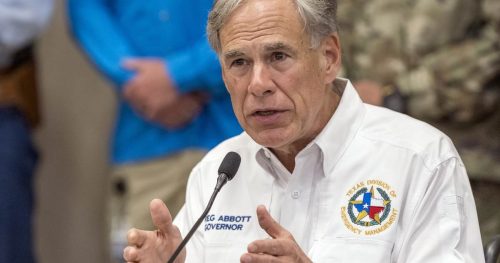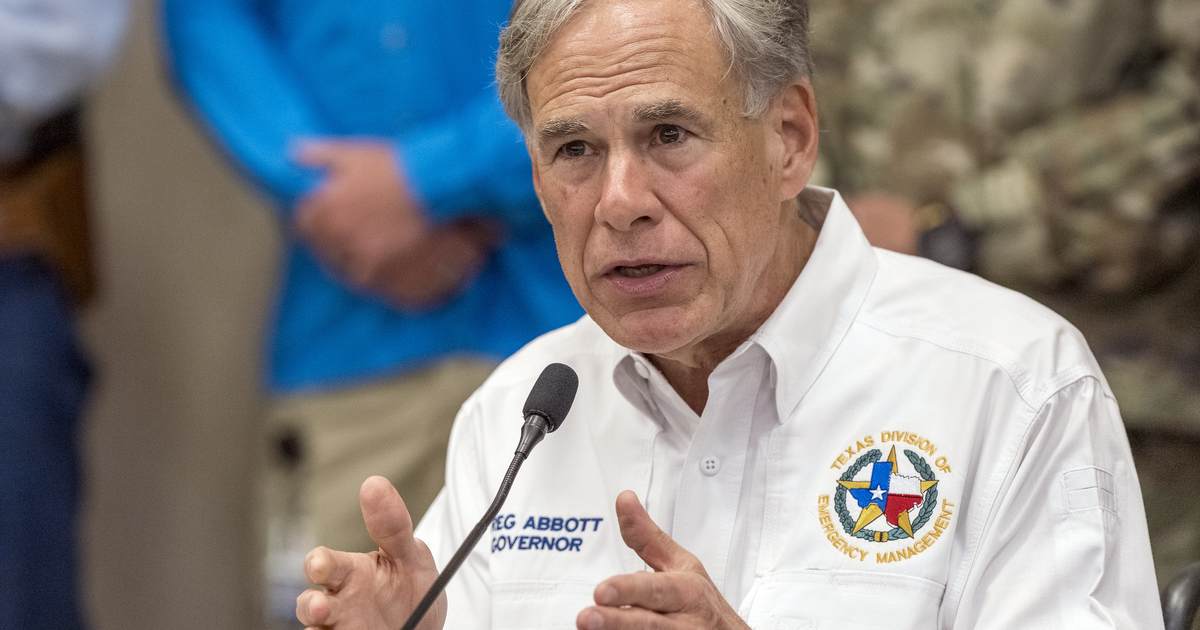
Governor Abbott pushed back hard when Minnesota sued over the extradition of an ICE agent accused of shooting a man, turning a routine legal process into a political standoff and leveling serious accusations about fraud by Minnesota officials.
An ICE agent was accused of shooting a man in the leg in Minneapolis earlier this year, and Minnesota’s attorney general filed multiple charges and then sued Texas after Governor Greg Abbott resisted signing extradition paperwork. What should be an administrative extradition has become a high-profile clash between state officials and the governor of Texas. The case has spotlighted questions about procedure, accountability, and how political motives can shape law enforcement disputes.
The lawsuit argues that Texas is unreasonably delaying the extradition of the agent, who was arrested by Texas authorities and has been held in custody. Minnesota officials warned that delays could let the accused walk free after 90 days in Texas custody if extradition paperwork is not completed. That looming deadline is the legal pressure point driving the emergency filings and public statements from Minnesota prosecutors.
Abbott framed his refusal to cooperate as a demand for accountability from Minnesota over unrelated issues, tying the extradition fight to allegations of fraud inside Minnesota programs. He refused to simply sign the paperwork while alleging serious wrongdoing by Minnesota officials, portraying his stance as holding another state to account. This approach turned a usually routine administrative step into a bargaining chip and political message.
https://x.com/Breaking911/status/2089835772086267959
Minnesota Attorney General Keith Ellison on Tuesday announced he is suing Texas Gov. Greg Abbott over the extradition of an immigration agent accused of shooting a man in Minneapolis.
Ellison and Hennepin County Attorney Mary Moriarty previously sent letters to Abbott asking him to sign extradition paperwork for Christian Castro, the ICE agent accused of shooting a man in the leg in north Minneapolis in January. Castro is charged with four counts of second-degree assault and one count of falsely reporting a crime. According to Moriarty, Texas Rangers arrested him on May 29 and he has been held at the Cameron County Jail ever since.
Moriarty and Ellison repeatedly stressed that extradition requests are intended to be administrative, and an apparent refusal like Abbott’s is extremely rare, if not unprecedented.
“We have never heard of anything taking this long because it is an administrative process,” Moriarty said. “It is not supposed to be controversial.”
[…]
However, Abbott said when asked about the lawsuit at a press conference, “I don’t trust Tim Walz on anything, let alone something like this… While they’re making demands, I got a demand of my own, and that is, it’s time for Minnesota to step up and repay the United States of America and Americans for all the fraud that they have committed in their state under federal programs. I will not respond to them at all until they step up and do what’s right, and they acknowledge their fault in the fraud that took place, and they fully repay the United States of America for the fraud they committed.”
The lawsuit also seeks a temporary restraining order to bar the Cameron County Sheriff’s Office from releasing Castro. Ellison said Texas has a 90-day limit on the detention of fugitives awaiting extradition.
“This means that as early as Aug. 26, a week from tomorrow, 90 days after he was first captured and detained, Christian Castro could walk free from jail in Texas and flee justice in Minnesota, including by leaving the country,” Ellison said.
That Abbott quote is central to the story and must be read in full to understand the thrust of his position. He explicitly tied the extradition contest to alleged misuse of federal funds in Minnesota, refusing to treat the matter as purely administrative. For Republicans and anyone skeptical of bureaucratic cover-ups, that stance reads as a demanded reckoning rather than mere obstruction.
Minnesota officials insist that extradition is not political and that paperwork should be processed quickly to prevent an accused person from fleeing justice. They portray Abbott’s delay as a dangerous and unprecedented maneuver that could undermine the criminal case. Their urgency about the 90-day rule is legally grounded: statutes limit how long a state can hold someone as a fugitive without formal extradition steps.
The counterargument, and Abbott’s public posture, is that Minnesota’s leadership cannot be allowed to escape scrutiny over alleged fraud while asking Texas for cooperation. That rhetorical move resonated with voters who see federal-state program abuses and demand consequences. It also reframes the quarrel from a narrow legal dispute into a broader fight over responsibility and moral hazard.
The tone in some commentary has been unapologetically harsh toward Minnesota’s attorney general, calling the lawsuit and the theatrics surrounding it predictable and extreme. Critics point out that the accused agent is a federal law enforcement officer performing difficult duties, not a celebrity criminal to be sensationalized. They question whether Minnesota’s aggressive tactic really serves public safety or simply feeds partisan headlines.
From a policy angle, the case raises practical issues about interstate cooperation and what happens when political leaders weaponize routine legal processes. Ordinary criminal justice mechanics—arrest, charge, extradition—depend on steady, apolitical compliance between states. When that smooth functioning breaks down, the system itself becomes a casualty.
Legally, courts will have to weigh the claims and remedies each side presents, including requests to restrain releases and the statutory time limits that apply. Administratively, state law enforcement agencies will be caught between competing orders and political direction. The real test will be whether law and process can reassert themselves before deadlines create irreversible consequences.
Whatever the legal outcome, the fight has already moved beyond the specifics of one case. It’s now a flashpoint in a larger debate about accountability, federal programs, and how much latitude state leaders should have when they suspect fraud. That debate will play out in court filings, press conferences, and, ultimately, in voters’ judgments about who is protecting public safety and who is posturing for headlines.