President Trump has nominated Dr. Heidi Overton to lead the Food and Drug Administration, praising her record and laying out a push for faster cures, lower drug costs, and major clinical trial reforms.
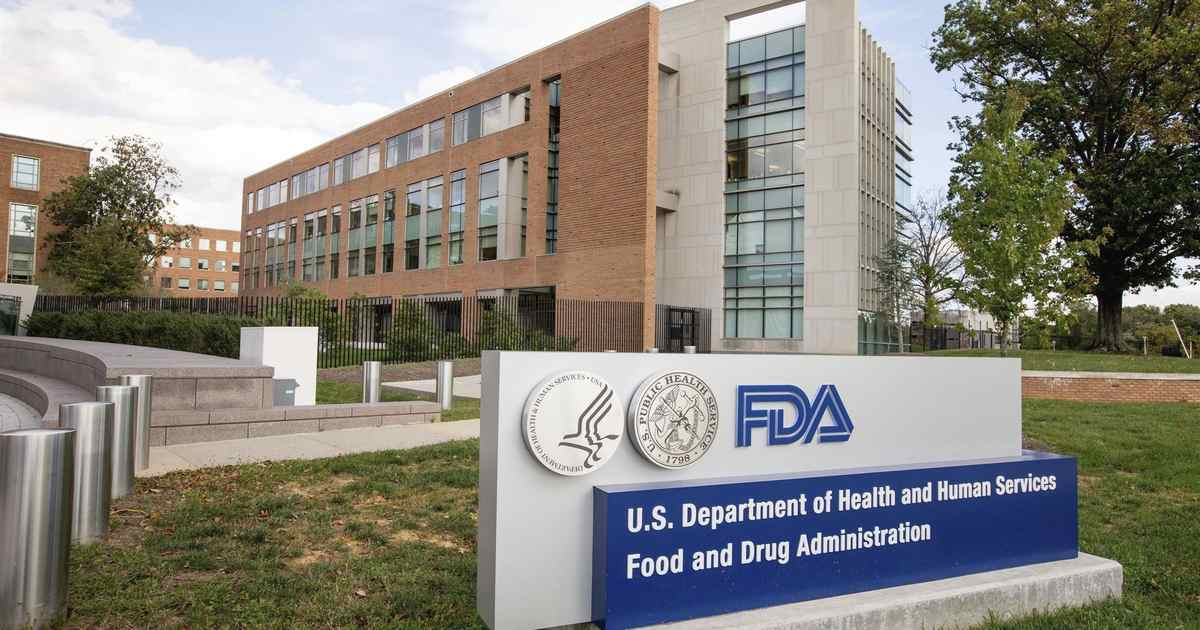
President Trump announced his pick of Dr. Heidi Overton to run the Food and Drug Administration on August 19, 2026 at . The move follows a period of turnover at the agency after Dr. Marty Makary’s departure in May and the presence of Acting Commissioner Kyle Diamantas. This nomination signals the White House intends to keep a hands-on approach to federal health policy.
Overton has been a visible adviser inside the administration and has worked closely with senior officials on policy priorities. The White House frames her as a technical problem solver who can drive reforms across approvals and regulation. That pitch leans on a promise to accelerate innovation while safeguarding American scientific leadership.
Trump made explicit public praise for Overton on his platform, writing, “Dr. Heidi has been a ROCKSTAR in my Administration, where she has worked directly with Secretary Kennedy, Dr. Oz, and team, to deliver on the MOST TRANSFORMATIVE Health Agenda in History.” The president’s message emphasizes continuity with the administration’s declared health agenda. His post was presented as part of a broader push to rally supporters around the nomination.
He followed that with another direct endorsement, saying, “She is known to take on the HARDEST issues, and bring me solutions that work best for the Country. Heidi is ‘ALWAYS RIGHT,’ Secretary Kennedy recently said in the Oval Office! We need her leadership at the FDA now to ensure that the U.S. remains the WORLD LEADER for Scientific Discovery and CURES.” That language underscores the administration’s belief that strong, decisive leadership at FDA will speed medical breakthroughs. It also frames the pick as an effort to keep the United States competitive in science and therapeutics.
“Dr. Heidi will work with Secretary Kennedy and Dr. Oz to RAPIDLY deliver on my priorities of FASTER Cures, INCREASED American Innovation, MAJOR Clinical Trial Reforms, LOWER Drug Prices, and even more MAHA WINS!” he added. The platform-style rhetoric lays out clear policy goals and ties the nomination to a wider political message. Those priorities reflect long-standing Republican themes of speeding approvals, cutting red tape, and boosting domestic research.
Inside Republican policy circles, supporters point to Overton’s experience advising on vaccine policy and other public health matters as evidence she can translate ideas into rules. She has recently been involved in discussions about childhood vaccine schedules and school enrollment requirements. The administration has turned those internal debates into a public rationale for picking someone who can move quickly on regulatory shifts.
At a recent public appearance, Overton said, “These are the Gold Standard childhood vaccine recommendations, and you should put this into your state law so that when parents go to enroll their kids in school, they do not have to meet some of the requirements for the vaccines that are no longer recommended for all children.” That statement highlights her willingness to recommend statutory and regulatory changes at the state level. It also signals an interest in recalibrating longstanding federal guidance to reflect current recommendations.
https://x.com/houmanhemmati/status/2089892044915568856
The nomination will face the usual confirmation process, which will test whether the Senate believes her approach balances speed and safety. Expect questions about clinical trial reforms, drug pricing strategies, and how the FDA will interact with private-sector innovators. Republicans who back the pick say the confirmation fight is an opportunity to press for durable reform, not a reset to old regulatory habits.
Practical expectations from the White House are straightforward: accelerate approvals, clamp down on barriers to innovation, and push for lower consumer costs without undermining safety. That agenda aligns with conservative reform priorities and with voters tired of slow timelines for new treatments. If confirmed, Overton would be tasked with converting campaign-style promises into regulatory action.
Ultimately, the nomination is both a personnel move and a policy signal from the administration. It shows an intent to keep control of the federal health agenda and to use FDA leadership as a lever for broader priorities. The coming weeks will reveal how aggressively the Senate and stakeholders press her on the specifics and how quickly the agency pivots under her guidance.