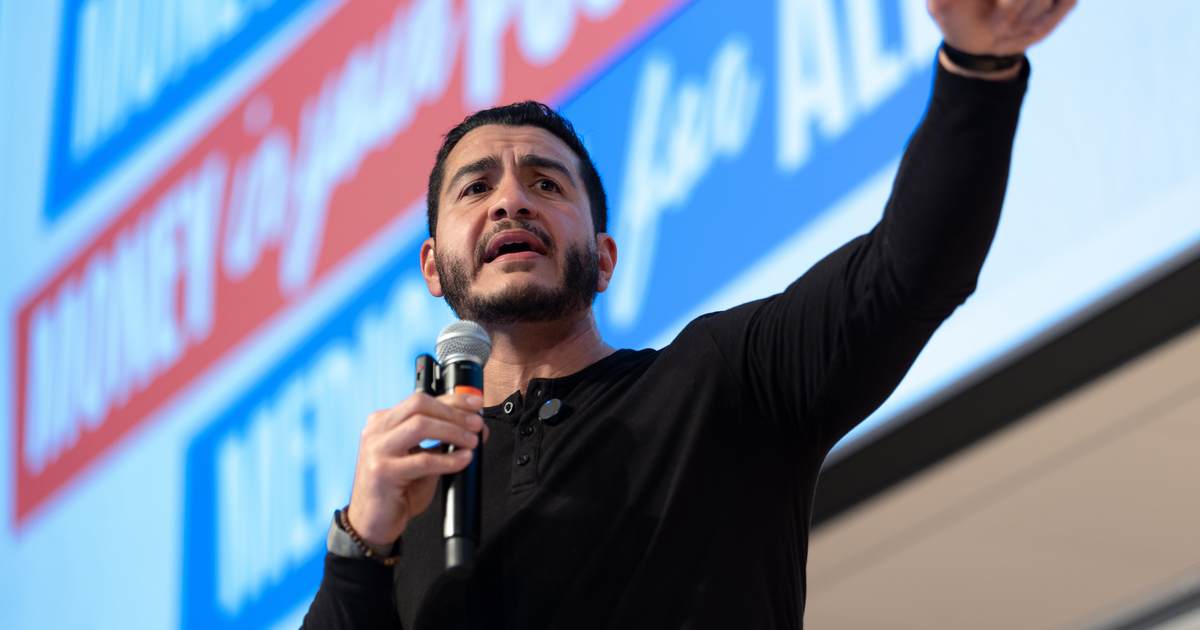
Abdul El-Sayed keeps trying strange moves to win back voters after a rough August 4 primary loss, but the tactics look forced and hollow rather than sincere or effective.
In the August 4 primary, Democrat Abdul El-Sayed lost big with black voters in Michigan. He lost all of metro Detroit, and polling showed Haley Stevens leading El-Sayed by 46 points among black voters. Those results created a clear problem for his campaign: a key Democratic demographic drifting away during a primary that should have favored him.
Now his team is scrambling to fix that optics problem with outreach that reads like last-minute damage control. After earlier attempts to court Jewish voters following criticism over his positions on Israel, El-Sayed has been pushing a new angle aimed at Black Michiganders. The move plays like image management more than a sustained relationship-building effort.
When pressed by reporters about older Black voters saying they felt overlooked, El-Sayed responded with a line meant to sound unifying. “You know, there’s been an effort I think to divide people against each other,” El-Sayed said. “And unfortunately, you see the consequence of that. To tell us that some group or another group has to be counter-opposed because there’s not enough for all of us.”
That rhetoric sounds nice on paper, but it avoids the real questions voters have about consistent policy positions and trust. To many observers, such broad platitudes come off as political theater rather than accountability or a plan. That is literally the platform of the socialist party.
https://x.com/RNCResearch/status/2090137825429581886
El-Sayed then leaned into identity claims as a shortcut to connection, saying, “I am Arab. I’m also African,” El-Sayed continued. “My family emigrated to this country from Egypt. I’m proud of my African heritage.” He emphasized lineage and background instead of addressing specific concerns from Detroit neighborhoods and suburbs.
That identity framing doesn’t mask the larger disconnect between promises and past statements, and it risks feeling performative to voters who’ve watched the campaign closely. The geography and culture of Egypt do not automatically translate into the lived experience of Black Michiganders in Detroit and its suburbs. Many see this as optics, not outreach.
The reaction from the street has been blunt. Absolutely amazing, isn’t it? Notice how he omits that bit of it. Seriously. How does the El-Sayed campaign think this will play out for him?
Critics have been unsparing. Someone else said Abdul El-Sayed is like the Michigan version of Michael Scott, and that’s pretty accurate. The comparison points to a pattern of awkward, misguided attempts at relatability that end up undercutting his credibility rather than building it.
There are also policy red flags that voters remember, including his response to a high-profile controversy where he declined to sever ties with a content creator quoted as saying “America Deserved 9/11.” That episode still hangs over the campaign and colors how voters judge his judgment and priorities. When candidates mishandle serious issues, it leaves a long tail in voters’ minds.
At the end of the day, what El-Sayed is doing looks like a last-ditch attempt to patch a failing strategy with identity soundbites and public relations moves. Voters tend to respond to consistency, accountability, and clear proposals more than borrowed identities or sudden declarations of kinship. Until he offers tangible, trustworthy plans that resonate locally, these gestures will likely register as hollow to the very people he needs to win.