Two hard-hit cities are still digging out after storms, and the response shows a mix of dangerous conditions, slow local recovery and predictable political finger-pointing from Democrats.
Gary, Indiana, and Memphis, Tennessee, both suffered extended power outages after recent storms, and the aftermath has exposed local failures as well as serious safety problems that slowed repairs. Officials at the state and federal level have been involved, but on-the-ground obstacles and local leadership issues played a big role. Meanwhile, political actors rushed to assign blame in ways that dodge responsibility.
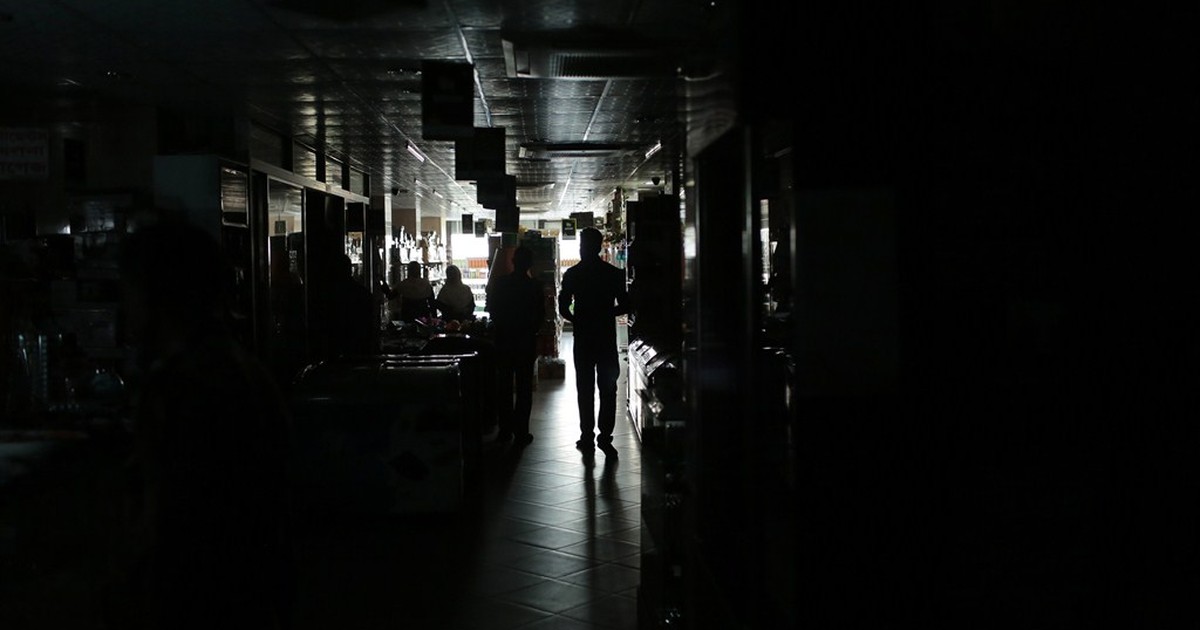
Gary has now been without reliable power for nearly two weeks in some neighborhoods, leaving residents to cope with heat, spoiled food and fractured services. Restoration work stalled repeatedly as crews tried to make headway in difficult conditions. That delay made a bad situation worse for thousands of households.
Pennsylvania Rep. Malcolm Kenyatta called it a “disgrace.” Many on the left are quick to weaponize outages for political points, but a fuller look shows more complicated causes. It matters to understand what actually held crews back.
https://x.com/Polymarket/status/2091673048759828897?ref_src=twsrc%5Etfw
On August 14-15, NIPSCO crews who were working to restore power were shot at by assailants, which paused repair efforts until security details could be arranged. That violence directly slowed the pace of recovery and added a safety risk for utility workers. When restoration teams cannot operate safely, outages naturally last longer.
President Trump declared an emergency after the storms, and FEMA moved in to assist with response tasks beyond the utilities’ scope. Federal support can help with sheltering and logistics, but utilities are still responsible for restoring electricity. That division of duties matters when people want clear answers about timelines.
Here’s who runs Gary, by the way. Local governance and decades of mismanagement have left the city with crumbling infrastructure and limited capacity to rebound from major storms.
Someone who lived in Gary described streets, abandoned buildings and blocked access that made repairs slower and more dangerous for crews. Those accounts point to long-term neglect rather than a single cause. Residents and emergency workers alike have felt the effects of that chronic decline.
– infrastructure is poorly maintained; untrimmed trees are making access to power lines difficult; damaged streets and sidewalks; abandoned buildings everywhere
– city leadership has been hopelessly lazy and corrupt for decades; many like the new mayor but he has clearly not prepared the city for emergency
Our senior citizen uncle is there and refuses to leave his home because he knows if he leaves there will be nothing to come back to. Everyone there is at the mercy of the criminals, the weather and a chronically incompetent local government. It may also interest you to know that Gary is considered the bluest city in America with nearly total Democrat support. I’m not one to defend the power companies. NIPSCO has their own issues. But the reason Gary is still offline is because most of the people there keep voting for more of the same at every turn. The city has everything it needs to be a great city. It’s on Lake Michigan, has incredible architecture and is just 30 miles from Chicago. It lost a lot of revenue when the steel mills closed but there has never been a good reason for its failure decade after decade. It’s poor leadership and a disengaged population. It’s not racism. It’s apathy and thievery
Memphis also saw a major outage over the weekend, losing power on Saturday night with some areas told to expect a multi-day wait for full restoration. That situation created real hardship for families dependent on refrigerated medicine and working appliances. Local officials faced pressure to explain timelines and prioritize repairs.
State Rep. Justin Pearson quickly claimed racism was to blame for the outage, an explanation some leaders seized on before the facts were clear. Political narratives like that often move faster than practical fixes. Outrage can be useful for headlines, but it does not restore wires.
Memphis Light, Gas and Water, known as MLGW, is the utility responsible for electric service and is owned by the City of Memphis. That ownership means the city both oversees policy and shoulders political accountability when things go wrong. The public rightly wants transparency on how restoration decisions were made.
Of the 13 members of the Memphis City Council, seven are black. Are they racist? Pointing to demographic facts does nothing to explain operational failures. Voters should look at decisions and performance, not invoke identity as a substitute for accountability.
While the Memphis City Council is technically non-partisan, the majority identify as Democrats, and many local policy choices reflect that alignment. So political critics argue the response tracks with party control of city services. That argument asks voters to consider who governs and how those leaders prepared for emergencies.
It’s always someone else’s fault, and the political left is quick to blame scapegoats rather than accept local responsibility. That pattern of externalizing blame shows up every time infrastructure fails in Democratic-run areas. The public notices when excuses pile up but fixes do not.
Several years ago, a nearby neighborhood also went days without power after storms, forcing residents into hotels and costing households money in spoiled food and lost medicine. Those personal losses are the real measure of failure, not the political spin. People want reliable service and leaders who plan ahead.
Which is ironic, because leftists will often say bad weather in red states is God’s punishment for not taking climate change seriously. Now the same lens shifts to allegations of racism when storms hit blue cities. Observers should demand consistent standards instead of partisan posturing.
Keep the framing in mind: less than 24 hours after the storm, Pearson was demanding power be restored and blaming it on racism. By 7:25 PM on Sunday night, MLGW said it had already restored power to 70,000 customers. That quick restoration for most residents undercuts the immediate rush to political accusation.
Most Memphis residents had power returned within a day, yet headlines still favored outrage over solutions. Political point-scoring does nothing for the families still waiting at the margins. Voters should remember who runs local services when they cast their next ballots.