U.S. officials say Syria has been removed from the list of state sponsors of terrorism, a change tied to leadership shifts in Damascus and steps the new government has taken against extremist networks.
The State Department and the Treasury Department announced on Monday that Syria is no longer designated as a state sponsor of terrorism. That administrative move follows major political change inside Syria and a series of security steps the new government says it has taken. Officials framed the decision as removing legal and financial barriers that have limited private capital from considering Syria. The action reflects a clear shift in American-Syrian policy as described by senior U.S. figures.
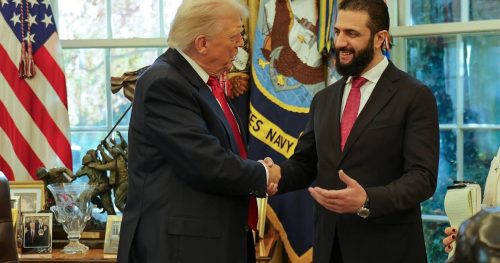
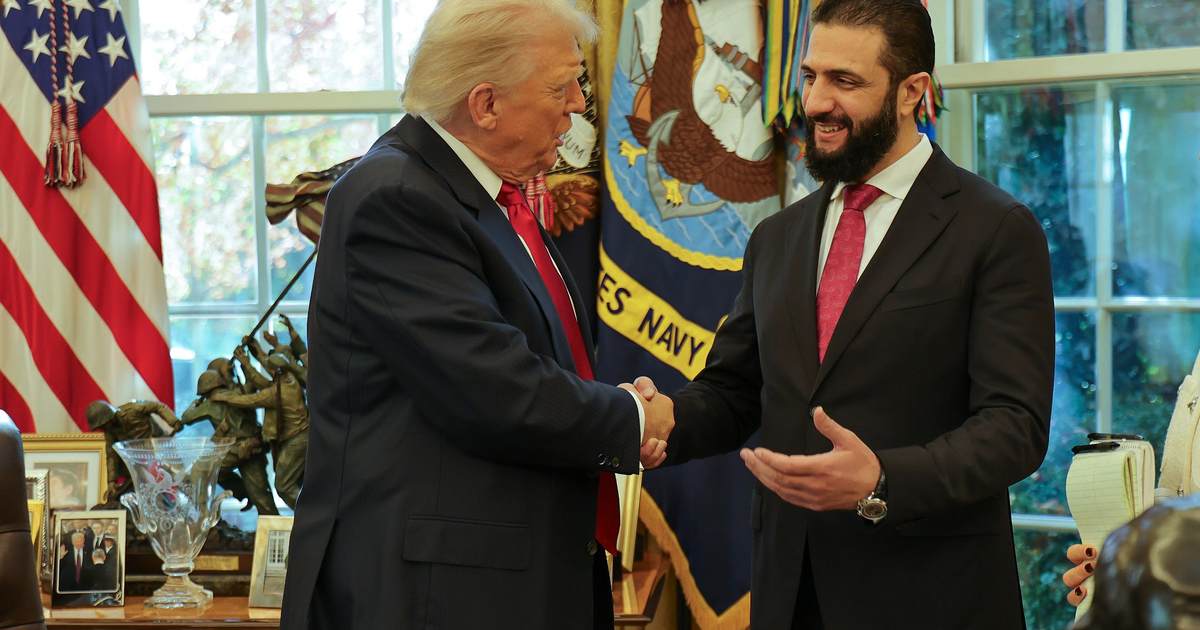
The Assad regime collapsed in late 2024 and Ahmed al-Sharaa now serves as Syria’s president, a fact the U.S. announcement references when describing the new leadership’s commitments. “These actions were all taken in recognition of the positive actions taken and further commitments by the Syrian government under President Ahmed al-Sharaa to fully distance Syria from acts of international terrorism,” Secretary of State Marco Rubio said in a statement on Monday. The group that also led to the Assad regime’s exit, Hay’at Tahrir al-Sham, is now no longer considered a Specially Designated Global Terrorist (SDGT) group.
Rubio highlighted concrete steps the Syrian government has reportedly taken over the past year to reduce extremist threats and to cooperate with international counterterrorism efforts. “In the past year, the Government of Syria has taken significant steps to counter terrorism, to include formally joining the Global Coalition to Defeat ISIS in November and conducting operations to disrupt the terror networks of ISIS, al-Qa’ida, Hizballah, and Iran-aligned groups,” Rubio continued, adding that it “eliminates the final major barriers for private sector investment in Syria.”
Treasury officials described complementary actions to remove certain organizations and names from U.S. sanctions lists as part of the broader package announced Monday. Treasury Secretary Scott Bessent also announced similar measures, including taking the aforementioned group off the Specifically Designated Nationals and Blocked Persons List, according to a Monday press release. Those administrative changes are meant to clear bureaucratic obstacles that have discouraged outside investment and complicated routine financial transactions.
“Treasury is following through on President Trump’s promise to give the Syrian people a chance at greatness,” Secretary of the Treasury Scott Bessent said in a statement. “Today’s action will help foster additional investment in Syria to promote political and economic stability.” That language makes clear the administration views economic engagement as a lever to encourage reconstruction and governance reforms. The Treasury framing ties the delisting directly to expectations about future private sector activity in Syria.
The Syrian presidency welcomed the move publicly and framed it as vindication for the new government and solidarity from outside allies. “I congratulate the Syrian people on the official removal of Syria’s name from the list of state sponsors of terrorism, and I thank His Excellency President Donald Trump for this historic decision, as well as all the brothers and friends who stood with Syria and the Syrians,” he posted to X. The public praise underscores how symbolic the designation’s removal is for Damascus and its supporters.
https://x.com/SecRubio/status/2091962663072899131?ref_src=twsrc%5Etfw
In practical terms, delisting a country from the state sponsors roster removes a broad set of legal prohibitions that affect trade, aid, and investment, but it does not instantly erase every economic restriction. Certain targeted sanctions, export controls, and authorities tied to specific individuals, entities, or sectors can remain in force until separately reviewed or lifted. U.S. regulators and Treasury offices typically maintain the ability to sanction actors who continue illicit activity even after a country-level designation ends.
Analysts say the policy shift will test how quickly private firms and foreign investors are willing to engage in reconstruction, energy, and commercial projects in Syria. Companies will weigh legal exposure, reputational risk, and the on-the-ground security picture before deploying capital. For U.S. policymakers, the move sets expectations that Damascus must keep showing consistent, verifiable steps against terrorist networks while allowing oversight to prevent backsliding.
The decisions announced by Washington change the baseline for diplomacy and economic ties, but they also raise fresh questions about enforcement, verification, and regional dynamics. How the new Syrian leadership performs on counterterrorism commitments and whether foreign investment follows will determine if this administrative shift produces lasting stabilization or simply a procedural change on paper.