Iran has publicly warned it will fine, detain and even confiscate cargo from commercial ships that violate its newly enforced rules in the Strait of Hormuz, and tensions are rising after a recent memorandum between Washington and Tehran expired.
Iran’s authorities announced a stricter approach to traffic through the Strait of Hormuz, threatening fines and seizure for vessels they say break their rules. The move follows the expiration of a memorandum of understanding between Washington and Tehran on August 17, which has left the waterway in a disputed legal and security gray area.
The Persian Gulf Strait Authority says it has blacklisted dozens of ships, and Tehran suggests owners can petition to be removed from the list. That blacklist and the threat of cargo confiscation raise the stakes for commercial shippers and regional partners that rely on unhindered passage through the strait.
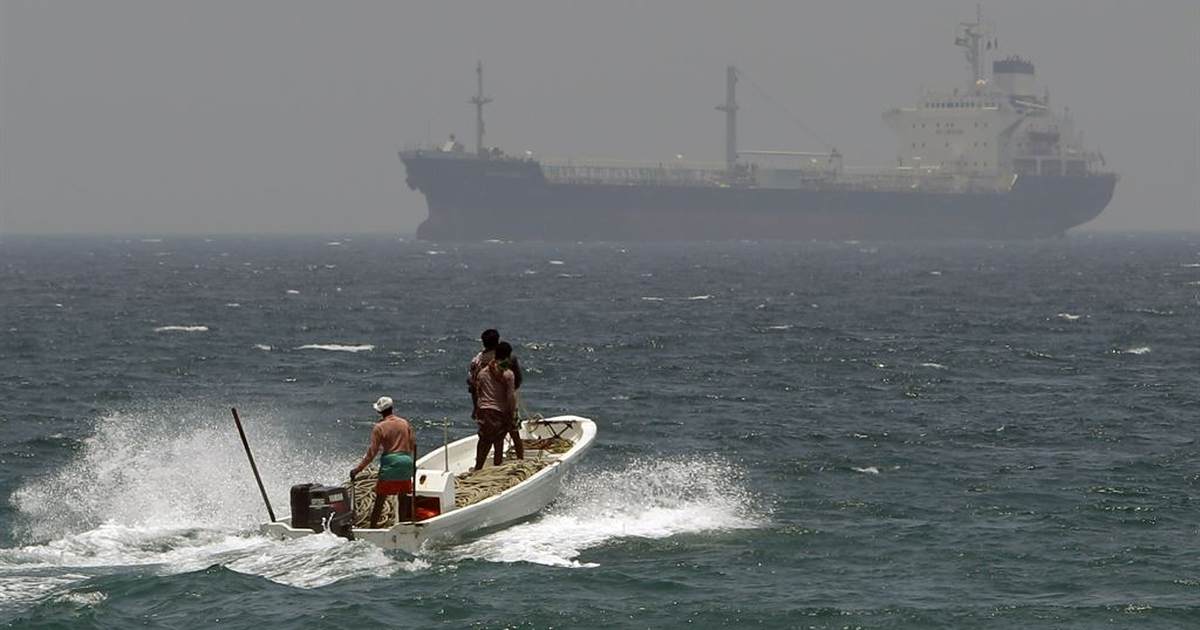
Iran’s Persian Gulf Strait Authority (PGSA) on Sunday warned that it will fine and detain commercial vessels accused of violating its protocols for passing through the Strait of Hormuz.
The PGSA stated on social media that 45 named vessels have been blacklisted and could have their cargoes confiscated.
“Effective immediately, any vessel cooperating with listed vessels … will be added to the list,” the PGSA wrote on the social platform X, adding that the owners of these vessels can submit a formal application to request their removal from the blacklist.
Some of the ships on the PGSA’s blacklist include several ships owned by the United Arab Emirates’s ADNOC Logistics and Services and Saudi Arabia’s national shipping carrier Bahri, Reuters reported.
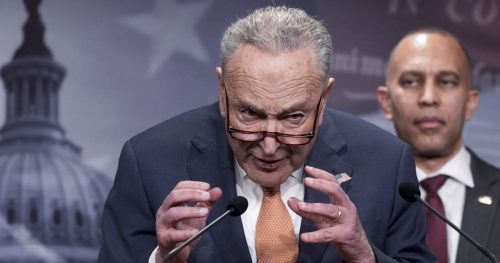
Treasury Secretary Scott Bessent warned countries on Monday to cut their financial ties with Iran as the U.S. carries out “Operation Economic Outcast,” marketed as an “economic D-Day,” in reference to the U.S. invasion of Normandy Beach in World War II.
“Well, we are giving everyone the opportunity to remedy bad behavior, why would I want to blow up the global financial system?” Bessent responded to a question about the lack of details about the plan.
The blacklist reportedly names 45 vessels, including ships tied to major regional carriers, which could expose supply chains to new disruptions. For companies operating in the area, the immediate concern is not just fines but the possibility of cargo confiscation or detention, which would have ripple effects across energy and goods markets.
U.S. officials have signaled a parallel pressure campaign. The Treasury has urged banks and trading partners to rethink ties with Tehran, while framing its actions as a coordinated effort to financially isolate bad actors. These steps aim to squeeze Iran economically, but they also risk prompting retaliatory measures like maritime seizures that raise global insurance and freight costs.
President Donald Trump announced in a post on Truth Social last week that “There are no talks or conversations going on, or scheduled, with the Islamic Republic of Iran. The Naval Blockade remains in full force and effect. The Hormuz Strait is open and operating. All water mines have been removed or detonated.”
https://x.com/UnbiasedHdlns/status/2091979705951944721
On the other side, Iran’s parliamentary speaker and top negotiator Mohammad Bagher Qalibaf vowed that the Strait would remain closed until Washington lifted its blockade of Iranian ports, released frozen assets, removed oil sanctions and ended military threats and operations. That stance makes de-escalation politically difficult because Tehran ties reopening to a broad list of U.S. concessions.
For U.S. policy makers and regional allies, the challenge is to keep commerce flowing without rewarding coercion or backing down on sanctions. The current approach mixes economic pressure with naval operations intended to enforce a blockade and deter Iranian interference in shipping lanes.
Private shippers and national carriers are now weighing their exposure and options, from rerouting to securing extra insurance, and from diplomatic protests to legal challenges over seizures. The new environment forces firms to make hard choices about risk management while governments coordinate responses to avoid a wider confrontation that could hit global trade.
This situation tests deterrence and resolve. The United States and partners must balance protecting maritime trade, punishing unlawful Iranian behavior and preventing an incident that could spiral into open conflict. The coming weeks will show whether economic isolation and naval presence can deter Tehran or whether Iran will press its blacklist into a tool for sustained pressure on regional rivals and global trade partners.