A federal confrontation at San Francisco International Airport led to seized devices and released surveillance footage showing agents escorting former congressman Eric Swalwell amid a federal sexual misconduct probe.
On August 20, federal agents stopped former Rep. Eric Swalwell at San Francisco International Airport and took his phone, laptop, and other electronics, and authorities later searched his Washington, D.C., residence. The action came amid a sexual misconduct probe that has already altered his political trajectory, including the end of his gubernatorial bid and his resignation from Congress. Reports suggest investigators are examining whether official power was used to intimidate or silence accusers. The public release of video from the encounter has sharpened attention on the case.
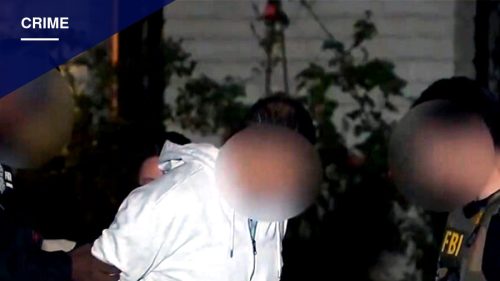
The surveillance footage shows agents pulling Swalwell and his wife aside as he deplaned, then escorting him up an escalator and through the terminal to a secure room, all while other travelers passed by. In the clips, he appears calm and cooperative, wearing a hat and casual clothing, which some observers interpreted as an attempt at disguise. Law enforcement reportedly collected several electronic devices for forensic review to look for evidence tied to the allegations. Officials have framed the seizures as part of a criminal inquiry rather than a routine administrative check.
Reporting around the seizure has tied it to an investigation of alleged pressure tactics, with investigators reportedly looking into whether Swalwell used his official role to influence or silence women who brought accusations. The allegations span four different women, including a former staffer who says she was raped in 2019 when she could not consent because of intoxication. Another woman has accused Swalwell of “drugging, choking, and raping” her in 2018, and two others say they received unsolicited images of his genitals. Those accusations, if substantiated, point to patterns investigators would naturally pursue through device searches.
Swalwell has consistently denied any wrongdoing while legal maneuvers around the accusations have unfolded. He ended his campaign for governor in April and resigned from Congress, and his legal team reportedly sent letters threatening defamation suits to the accusers. Whether those letters were a standard defense tactic or part of a broader strategy to manage allegations is now one point among many that investigators will consider. The seizures of phones and laptops are likely aimed at communications and records that could confirm or refute claims of coercion or improper conduct.
Now that the footage is public, it has become the focal point for both critics and defenders who parse body language, timing, and what the videos reveal about how the encounter unfolded. Some commentators noted the contrast between the agents’ professional restraint and the dramatic optics of agents converging on a high-profile former lawmaker in a busy airport. Others pointed to the plain fact that visible calmness on camera does not resolve any underlying criminal questions. The camera angles and grainy surveillance still leave plenty of unanswered questions for the investigation to resolve.
Beyond the immediate images and the technical evidence the FBI has taken, the situation highlights how digital traces can shape modern investigations. Investigators routinely extract metadata, messages, photos, and location records from seized devices, and those details can quickly become central pieces of evidence in cases involving alleged sexual misconduct. The phrase “Your digital footprint is forever” has been used in response to this story because many cases now turn on what once would have been private exchanges now stored on devices and in the cloud.
https://x.com/GuntherEagleman/status/2094716925066563865
Public reaction has been swift and partisan, with commentators emphasizing different elements depending on their viewpoint. Some observers emphasize due process and the need for investigators to follow the facts wherever they lead, while others stress the importance of taking accusers seriously and ensuring they receive a full, impartial investigation. The release of the airport footage and the reported device seizures guarantee that this case will remain in public view while investigators parse digital evidence and pursue potential leads.
The next steps will likely hinge on forensic analysis of the seized electronics and on any corroborating testimony investigators can obtain, but for now the images showing agents shepherding Swalwell through the terminal are the clearest public record of that August interaction. The proceedings and any charges that could follow will depend on what those devices reveal, whether communications corroborate the allegations, and whether prosecutors conclude there is sufficient evidence to bring formal counts.
Former Rep. Eric Swalwell was surrounded by FBI agents at San Francisco International Airport as he deboarded a plane, leading to the seizure of his cellphone and laptop as part of a federal criminal investigation, newly obtained video shows.
The California Post exclusively obtained surveillance footage of the Aug. 15 encounter, providing the first look at the dramatic airport search that unfolded after Swalwell arrived in California.
The footage shows Swalwell — dressed incognito in a hat, black sweatshirt and sneakers — speaking with several agents at his flight gate as travelers pass nearby. The former Democratic congressman appears calm and cooperative throughout the encounter.
Some observers questioned whether the casual clothing was meant to conceal identity, but the footage suggests that strategy, if present, did not prevent agents from identifying and detaining him for questioning. The visual record has removed much of the ambiguity about how the encounter unfolded in public view, even as it leaves legal questions unresolved. Video captures movement and context, but prosecutors and defense teams will still need the underlying evidence from devices and witnesses to make their cases. For now, those broader inquiries continue behind closed doors.
The airport footage, the reported searches, and the public accusations form a complex picture with legal, political, and personal consequences. Allegations involving multiple accusers and potential use of position to influence outcomes raise serious questions for investigators to probe. At the same time, legal protections like presumption of innocence and the standards for criminal prosecution remain in force. The investigation will be measured against those legal thresholds as it moves forward.