President Trump is pushing for a federal film tax credit to bring production back to the U.S., and the proposal is drawing unexpected bipartisan interest from industry figures and state leaders.
President Donald Trump has publicly urged Congress to approve a federal film tax credit as a tool to revive American movie and television production, framing it as an economic win that would create jobs and boost federal revenues. The push follows concern that work has migrated to other countries and that incentives at the national level could reverse that trend. Trump has positioned the idea as a bipartisan, growth-oriented fix rather than a partisan giveaway.
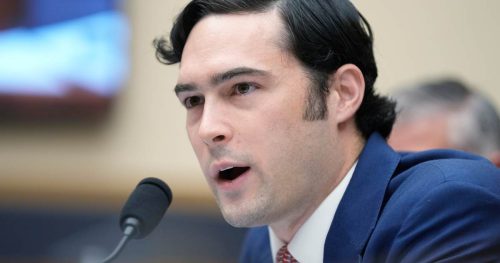
Several industry voices have thrown their weight behind the concept, arguing that national incentives would preserve U.S. crews and studios while attracting private investment back to American soil. Actor Jon Voight and former Los Angeles mayoral candidate Spencer Pratt have been cited among those urging federal action, and the conversation has moved quickly from private meetings to public appeals. On the ground, studio leaders and union reps are reportedly talking with lawmakers about potential legislation.
“It is being dissipated in its entirety. It has moved to Canada, and other Countries, with very little work being done anymore in the United States,” Trump posted to Truth Social on Monday night, urging bipartisan collaboration. He painted the loss of production as a direct hit to the domestic economy and an avoidable drain that federal policy could help fix. The message was delivered as a clear call for Congress to act quickly to reverse the exodus of projects and jobs.
“Hollywood is a Complete and Total Disaster! Despite the name, it is getting very little work. There is no incentive to be there, and it is hurting California very badly,” he added. Those words were offered to underline how state-level incentives have not stemmed the tide, and to argue that only a coordinated federal response can compete with other countries courting production. The tone was forceful and aimed at galvanizing both industry insiders and skeptical lawmakers.
“Jon, and many others in the Industry, are suggesting we do Federal Tax Incentives in order to Make our Movie and Television Production Business GREAT AGAIN, perhaps GREATER THAN EVER BEFORE! The amount of money spent on Tax Incentives will be made up tenfold by the money pouring into the Treasury’s coffers,” the president continued. That claim ties the proposal to a familiar Republican framing of tax policy as an investment that produces net revenue and economic growth. Proponents argue a national credit would level the playing field and keep high-skilled crew jobs in the United States.
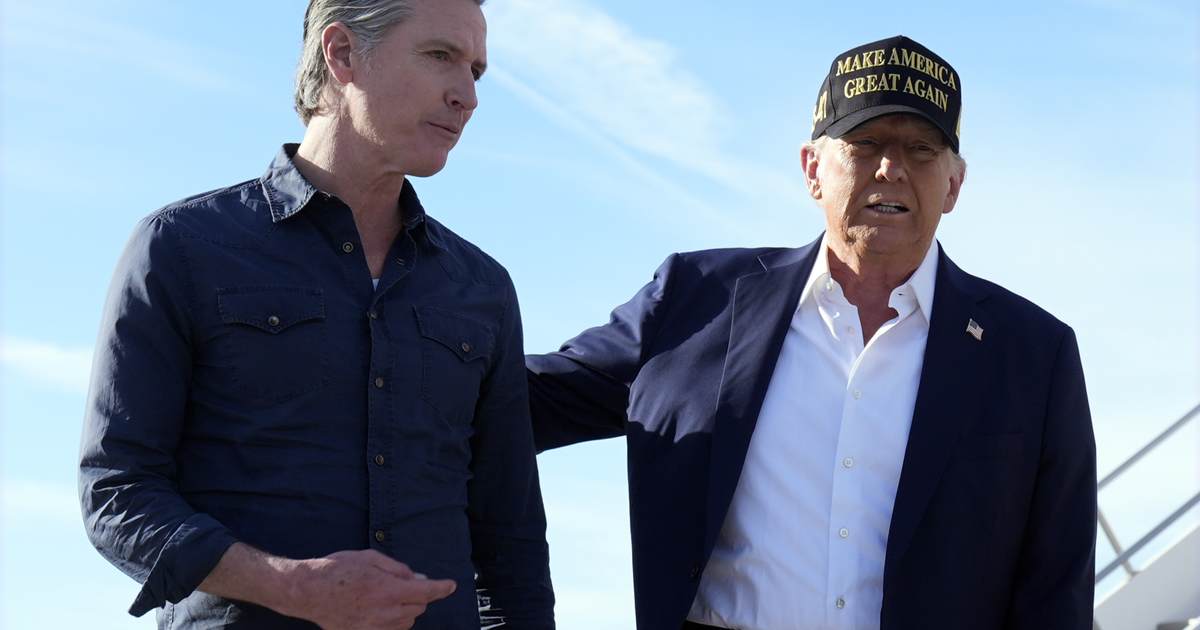
Even some Democratic officials have reacted positively to the proposal, which is notable in a polarized environment where shared, pro-growth ideas can be rare. Gov. Gavin Newsom (D-CA) posted “Amen! Let’s make it happen,” signaling a break from the usual state-federal friction and reflecting the political reality that California stands to benefit if production returns. The governor’s remark made headlines precisely because it put a leading Democrat on record supporting a plan pushed by the president.
On Capitol Hill, Rep. Laura Friedman (D-CA) has been vocal about the need for federal action, saying “our tax incentive legislation needs to pass – and to pass quickly.” She also emphasized long-term coalition-building, noting, “For more than a year I’ve been sitting down with Jon Voight, Congressional colleagues, the unions, studios, and producers to build the case for a national film and television tax credit.” Those statements highlight the behind-the-scenes work that has prepped the ground for possible legislation.
https://x.com/GavinNewsom/status/2094621969413279885
“There’s no reason Canada, the UK, or Australia should be taking our jobs. We still have the best crews on the planet. It’s time we made it possible for them to stay where they belong: in America,” she added, stressing the competitive angle and the quality of American production talent. That line reinforces the practical, market-focused argument for a federal credit: stop the bleed of well-paying jobs and production spend to jurisdictions that offer more attractive terms. Trump later noted there’s been a “great bipartisan response and support in Congress” for the legislation, reflecting momentum among lawmakers on both sides of the aisle.