A hard look at a recent child murder case, how mental illness is framed in public debate, and a comparison to an earlier prosecution that ended in execution.
Lindsay Clancy says postpartum psychosis, compounded by other mental health struggles and overmedication, explains why she killed her three young children in January 2023. After the killings she jumped out of a window, which left her paralyzed, and she also slashed her wrists. Those are the basic facts that have driven a chaotic, headline-heavy trial. The legal and moral questions that follow are everything anyone cares about now.
The case has become a national spectacle, with a lot of people turning it into a culture fight instead of a sober criminal matter. There are crowds defending her and others insisting the system must be merciful, while many feel the focus has shifted from the victims to the perpetrator. That divide is part of why the trial feels so volatile and why every move is being parsed by factions online and in the media.
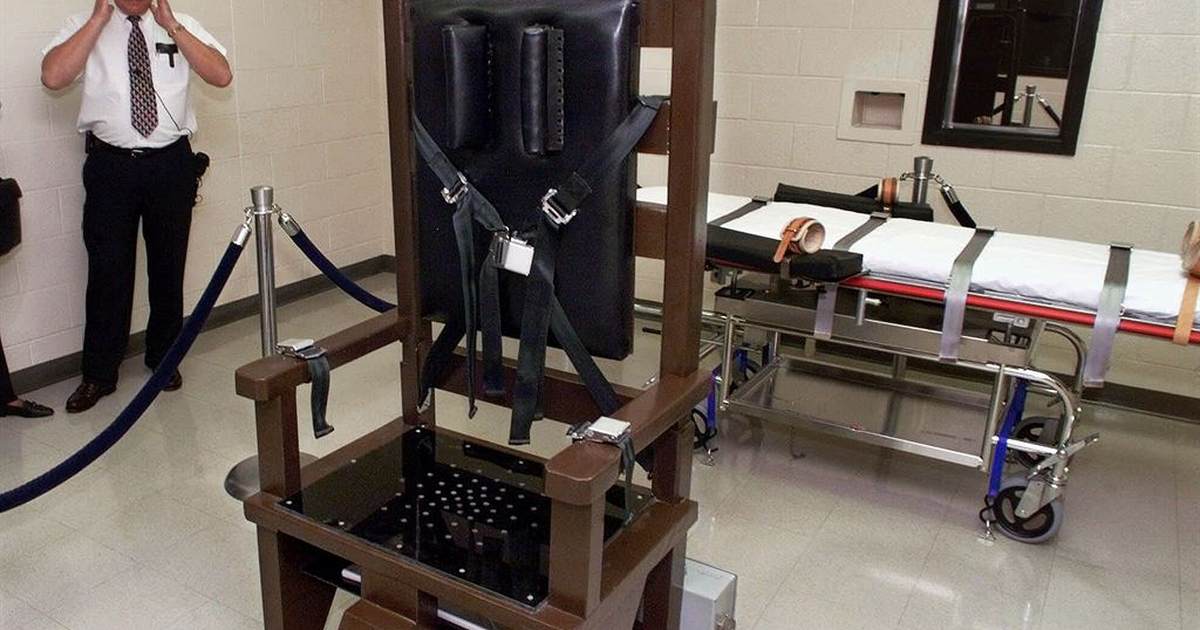
We used to handle similar cases differently. In 2001 John Battaglia murdered his two daughters in May of that year, reportedly calling his ex-wife during the attack, and was later sentenced to death in 2002. Battaglia claimed he was bipolar and undergoing a psychotic episode, yet the court found he understood his actions and convicted him. The jury deliberated for less than 20 minutes before returning a verdict and rejecting mental-health mitigation at sentencing.
Some organizations argued mercy was warranted; Amnesty International suggested his mental state should “save him from execution.” Still, the state carried out the sentence in February 2018, closing a long chapter that many remember only in fragments. That outcome is now being contrasted with modern attitudes that often push for treatment and leniency rather than punishment. The contrast raises questions about consistency in how we treat parents who kill their children.
https://x.com/EndWokeness/status/2095222723387461997
Personally, I’ve hit a wall with mental health messaging. I’m experiencing mental health fatigue. I’m tired of the ‘they’re more likely to harm themselves’ line, which is looking more like a lie. That line has frequently been used as a shield to excuse or soften the public response to violent acts, and people notice when excuses multiply faster than accountability.
There’s a practical side to this conversation that gets lost in slogans: public safety and clear lines. We need to start locking them up and sedating them. Sorry, I’m finished. When a parent kills a child, most communities expect a decisive response from the criminal justice system and from civic institutions tasked with protecting children.
Good on Texas for doing the right thing here, in the view of many who prioritize law and order. At the same time, Clancy’s jury is deadlocked, which demonstrates the messiness and the mercy-versus-justice tug-of-war that defines these trials. People on different sides of the debate worry aloud that the verdicts we hand down today shape the kinds of tragedies we see tomorrow.
I’m not a super social conservative, but child killing is something that’s non-negotiable for me and many others. What are we even doing here? How can this be rationalized when the victims are three small children taken from their lives? The questions are blunt, and the stakes are plain: law, order, and moral clarity are on the line when society confronts cases like this one.