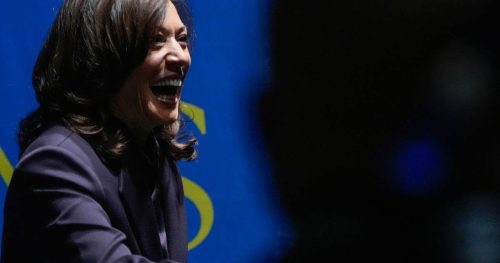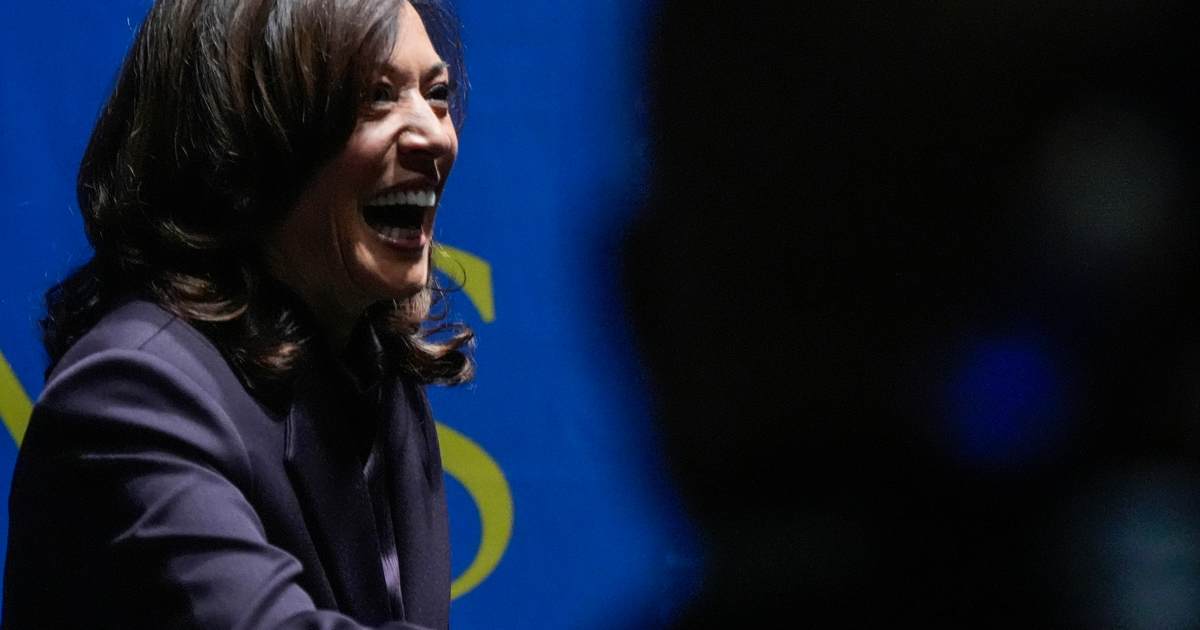
Red-state Democrats are telling Vice President Kamala Harris to sit this one out as she ramps up midterm activity, with several local candidates preferring distance and citing political fit and messaging risks.
Kamala Harris has signaled she’ll be more active on the campaign trail for the 2026 midterms, but the reception in conservative and rural districts has been chilly. Lawmakers and candidates in states like Alaska, Kansas, and parts of the Midwest are signaling they don’t want her help. That refusal matters because it highlights a practical concern about electability and local messaging.
In Alaska, Representative Mary Peltola turned down an endorsement Harris offered, making it clear some Democrats in red states see Harris as a liability rather than an asset. Rural voters often respond better to locally rooted candidates or those who can reach across the aisle, and campaign strategists are listening. When national figures carry baggage, even fellow Democrats are cautious about bringing them in.
There’s also the simple risk of distraction. Harris and President Biden have been prone to gaffes that grab headlines and shift the news cycle away from local issues. Campaigns in swing districts don’t want a viral moment to derail months of grassroots work and relationship building. Local Democrats who pride themselves on door-knocking and cross-party outreach are especially wary of star power that might backfire.
National heavyweights like Bernie Sanders and Pete Buttigieg sometimes find warmer receptions in certain regions, which underlines how style and perceived authenticity matter more than mere name recognition. Candidates who court the center or emphasize state-specific concerns can win over skeptical voters even in tough terrain. Bringing in someone viewed as a coastal elite, meanwhile, can be politically risky.
https://x.com/townhallcom/status/2095549579651420630
Former Vice President Kamala Harris is revving up her involvement in the midterms. While some Democrats are eager to embrace her, others want her to steer clear.
[…]
Harris had kept a relatively low profile so far on the campaign trail. Some Democrats prefer it that way.
Iowa’s two most prominent Democratic candidates have said they do not want Harris to campaign for them. Alaska’s Democratic Senate nominee rejected a fundraising solicitation Harris sent on her behalf. And a swing-district Democrat in Wisconsin and a long-shot Senate hopeful in Kansas both told POLITICO they would prefer Harris keep her distance.
“I received 9,000 more votes than Harris in 2024,” Rebecca Cooke, the Democratic challenger to Republican Rep. Derrick Van Orden in western Wisconsin, said in a statement when asked by POLITICO. “I don’t need anyone to come and campaign with me in my district. I do the work of building relationships — including across the aisle — on my own.”
[…]
“In Kansas, you’re trying to reach 45 percent of the state who are Republicans and a lot of really good people who are Republicans, but their vantage point or their worldview may be a bit different than Kamala Harris’,” Kansas Democratic Senate nominee Adam Hamilton told POLITICO. “What I’m looking at is I’m really mounting a very Kansas-centered campaign, and I’m out speaking, I tell people I’m running as an independent-minded Democrat.”
Hamilton is running an uphill battle in a state that hasn’t sent a Democrat to the Senate since 1932. The state is seen as potentially somewhat in play amid the ongoing war in Iran, trade wars with close allies and a persistent cost of living crisis that have cut especially deep in agricultural territory.
But that doesn’t mean a coastal Democrat like Harris would play well in the conservative heartland.
“Having somebody from California come in and try to tell Kansans who they should vote for is a pretty bad idea,” Hamilton said. Harris has not endorsed in the race.
Rebecca Cooke, who touts strong local support in western Wisconsin, has instead leaned on endorsements from Bernie Sanders and Senator Mark Kelly, with backing also coming from other national Democrats. Those alliances show Democrats will choose surrogates they think fit their district’s tone and voter makeup. Candidates feel pressure to avoid optics that might alienate moderates or independents.
Adam Hamilton in Kansas is an example of a Democrat running a state-centered campaign and deliberately avoiding coastal messaging that could alienate rural voters. He points to the challenge of persuading voters who identify as Republican or conservative on key issues. In places where voters feel cultural distance from national Democrats, bringing in a California-based figure can be counterproductive.
For Republicans, this situation is instructive: even within the opposing party there’s pragmatic recognition that some figures are liabilities. Political campaigns are about matching messenger to message, and local dynamics beat national celebrity most of the time. If Democrats are telling their own vice president to keep her distance, that’s a clear sign of political reality on the ground.
The bigger picture is simple: campaigns prioritize winning, and candidates will accept help that moves the needle rather than generating headlines. Local organizers and voters value steady, sober campaigning over flash that might trigger a media distraction. In battleground districts and red-leaning states, that pragmatic calculation will keep shaping who gets asked to show up and who gets politely shown the door.
There’s no mystery here: political theater doesn’t win swing voters if it undercuts a campaign’s core message or alienates the very people candidates need to persuade. Democratic strategists who respect that fact will tailor their surrogates accordingly and keep high-profile visits to places where they help rather than hurt. The midterms will be a test of whether national figures learn to be useful, not just loud.